

 Tyventure
10 Best Photography Spots in Japan
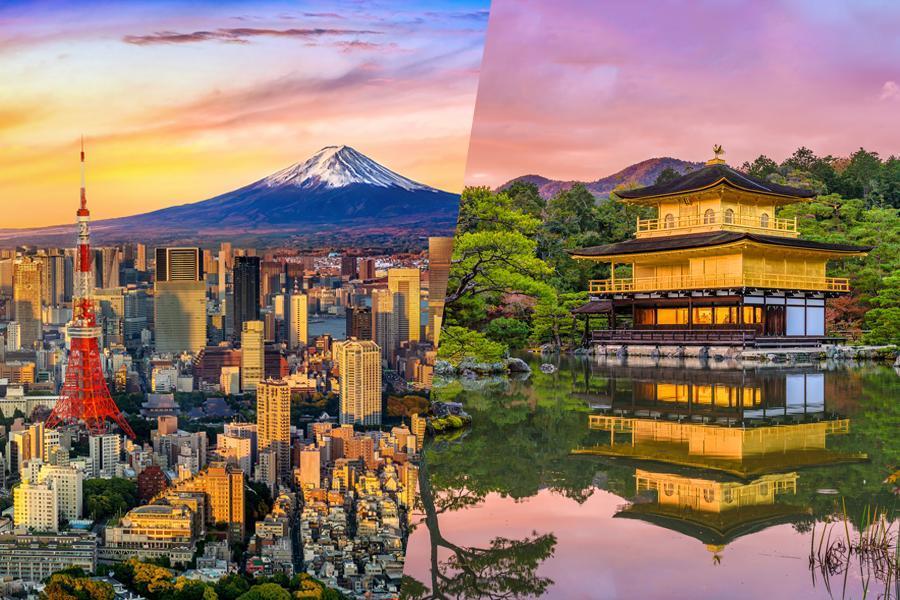
From the neon streets of Tokyo to peaceful Kyoto temples, dramatic views of Mount Fuji, traditional villages,
Japan is one of those destinations where it can feel like every street, temple, mountain, and train station deserves a photo. 📸
From the neon streets of Tokyo to peaceful Kyoto temples, dramatic views of Mount Fuji, traditional villages, and turquoise-blue lakes in Hokkaido, Japan offers an incredible variety of photography opportunities.
And the best part?
You don't need a professional camera to capture them.
A smartphone, a little patience, and the right timing can be enough to bring home unforgettable memories.
If you're planning a trip to Japan and looking for the best photography spots in Japan, add these 10 destinations to your itinerary.


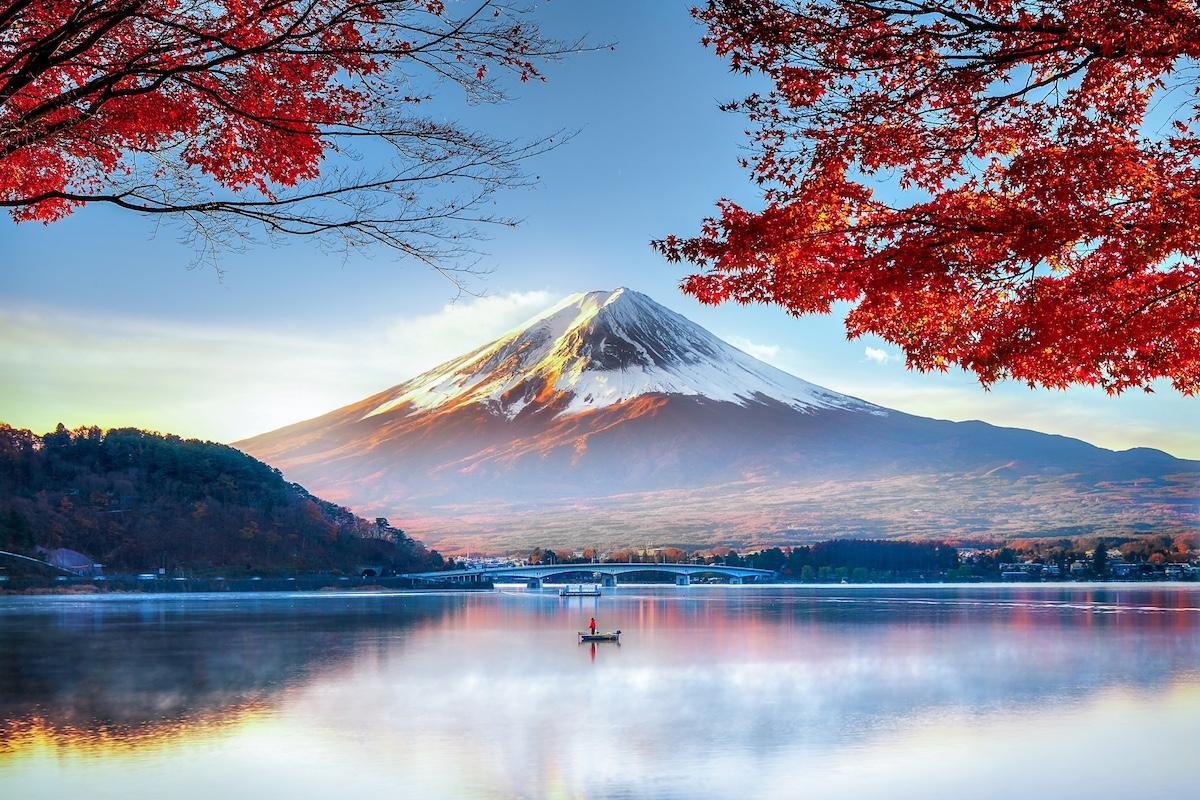
🗻 1. Mount Fuji & Lake Kawaguchiko
Few sights represent Japan better than Mount Fuji.
Lake Kawaguchiko offers some of the most iconic views of the mountain, particularly when Fuji is reflected across the calm surface of the lake. On clear days, you can capture the mountain surrounded by cherry blossoms in spring, lush greenery in summer, colorful foliage in autumn, or snow in winter.
For photographers, the area offers countless compositions beyond the classic postcard shot.
📸 Photo tip: Try shooting early in the morning when the air is often clearer and the lake can be beautifully calm.
Best for: Landscapes, reflections, sunrise, seasonal photography.


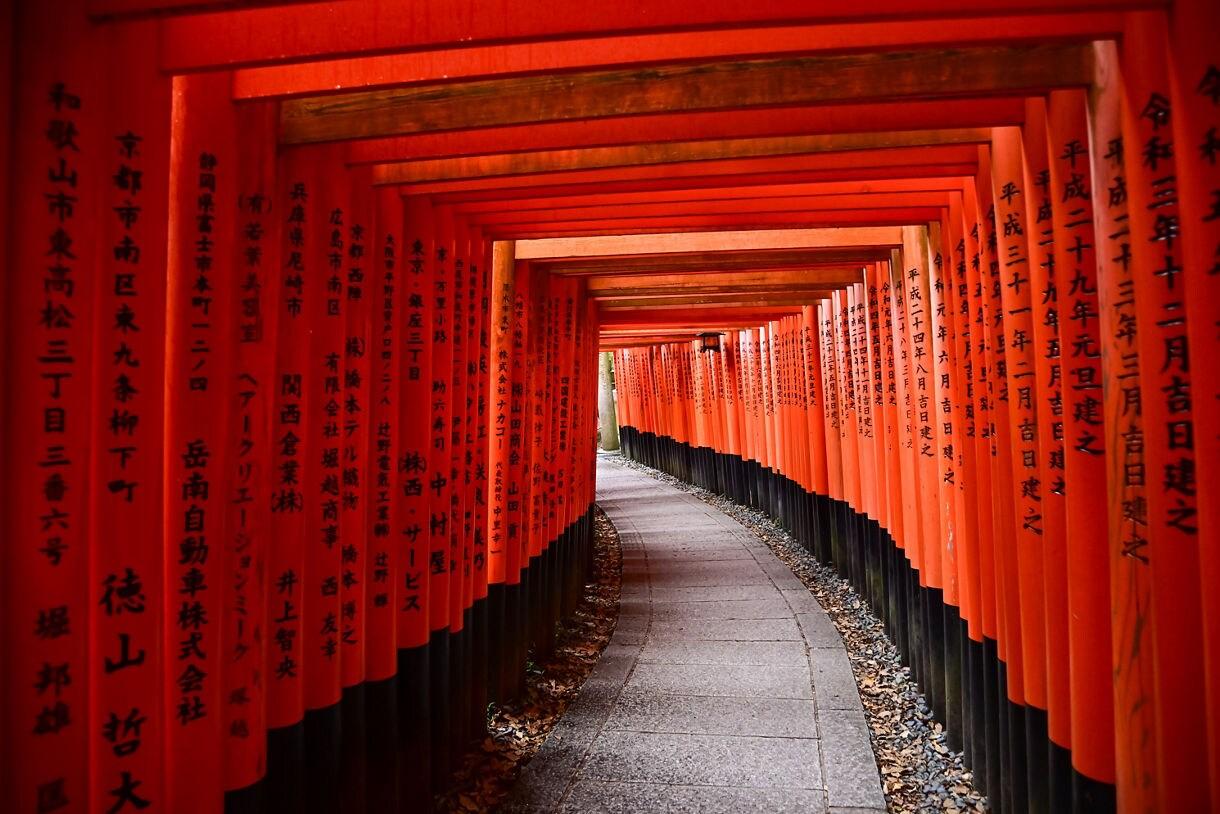
⛩️ 2. Fushimi Inari Taisha, Kyoto
If you've seen photos of Japan on Instagram, chances are you've seen Fushimi Inari Taisha.
The Kyoto shrine is famous for its thousands of vermilion torii gates winding through the forest of Mount Inari. The repeating gates create incredible leading lines, making this one of the most recognizable photography locations in Japan. (Wherebest)
The trick?
Get there early.
The popular lower section becomes considerably busier later in the morning, while walking farther up the mountain can give you quieter perspectives.
📸 Photo tip: Use the torii gates as natural framing and experiment with portrait orientation.
Best for: Architecture, culture, symmetry, portraits, travel photography.


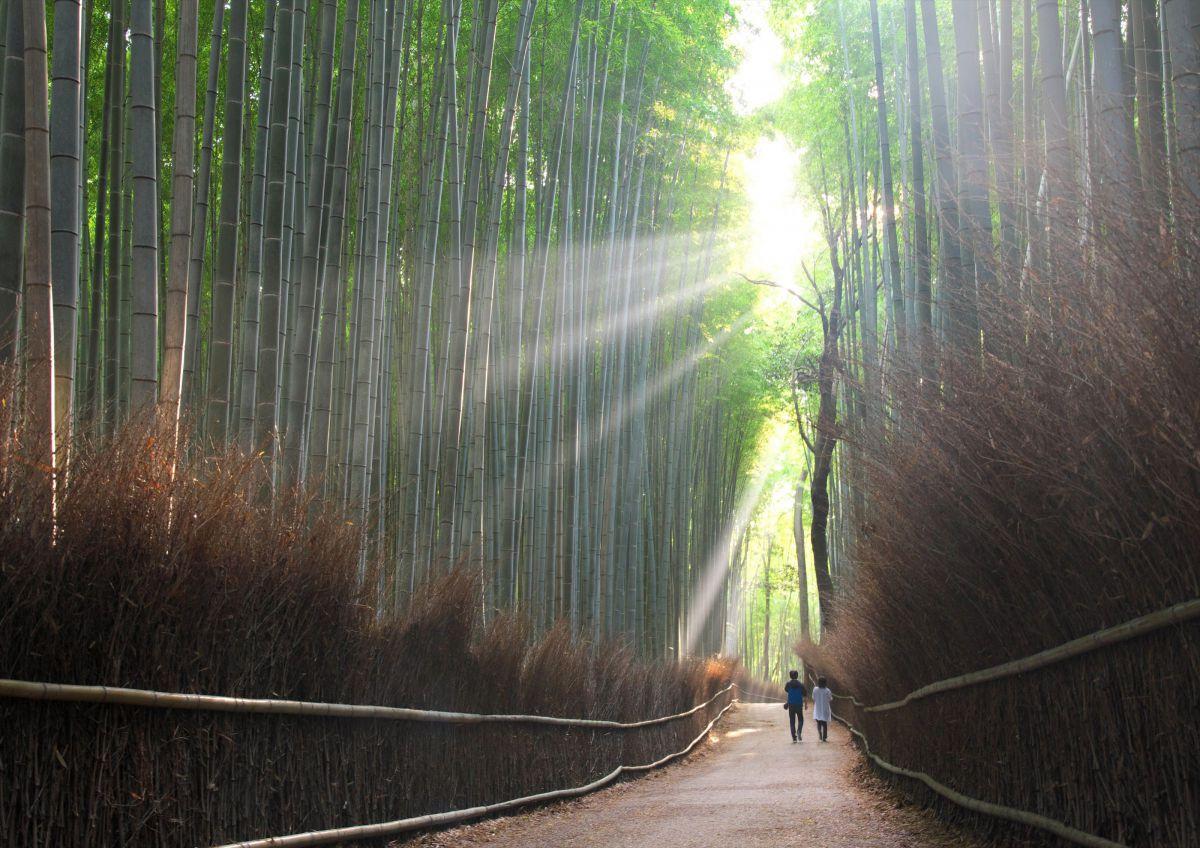
🎋 3. Arashiyama Bamboo Grove, Kyoto
Walking through Arashiyama's towering bamboo grove almost feels like entering another world.
The tall green bamboo creates natural lines that stretch toward the sky, while soft morning light can filter between the stalks.
It's one of Kyoto's most photographed locations, so timing is especially important. Early morning offers a better chance of capturing the peaceful atmosphere that makes the grove so special. (Wherebest)
📸 Photo tip: Point your camera upward for a different perspective instead of photographing only the main walkway.
Best for: Nature photography, minimalist compositions, portraits, vertical photos.


🌃 4. Shibuya Crossing, Tokyo
Want a completely different side of Japan?
Head to Shibuya.
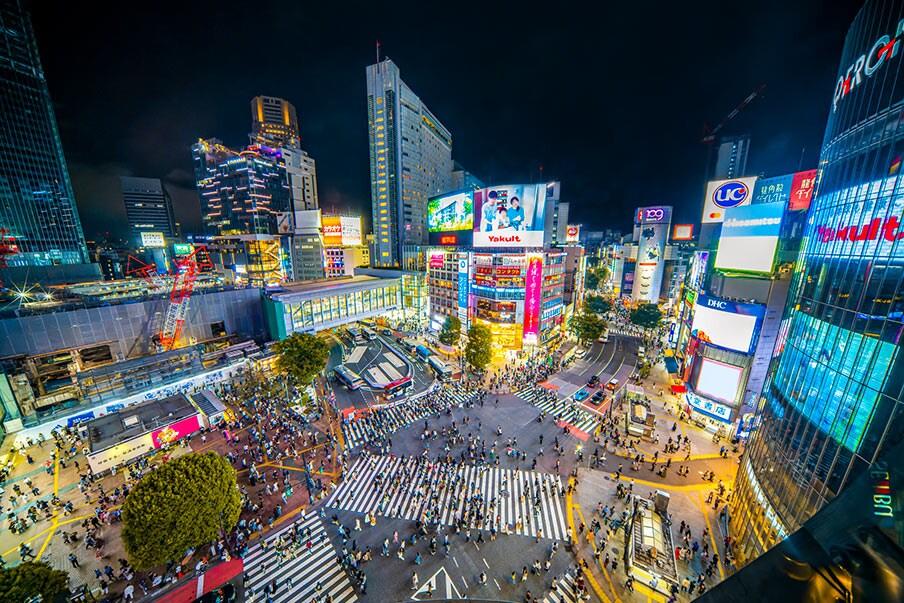
When the traffic lights change and hundreds of people begin crossing the famous intersection, the scene becomes a perfect representation of modern Tokyo.
Add giant digital screens, glowing signs, taxis, and surrounding skyscrapers, and you've got one of Japan's most exciting urban photography locations.
Shibuya is particularly photogenic around blue hour and after dark, when Tokyo's neon lights really come alive. (Stippl)
📸 Photo tip: Look for an elevated viewpoint to capture the movement of the crossing from above.
Best for: Street photography, cityscapes, neon, night photography.


🦌 5. Nara Park, Nara
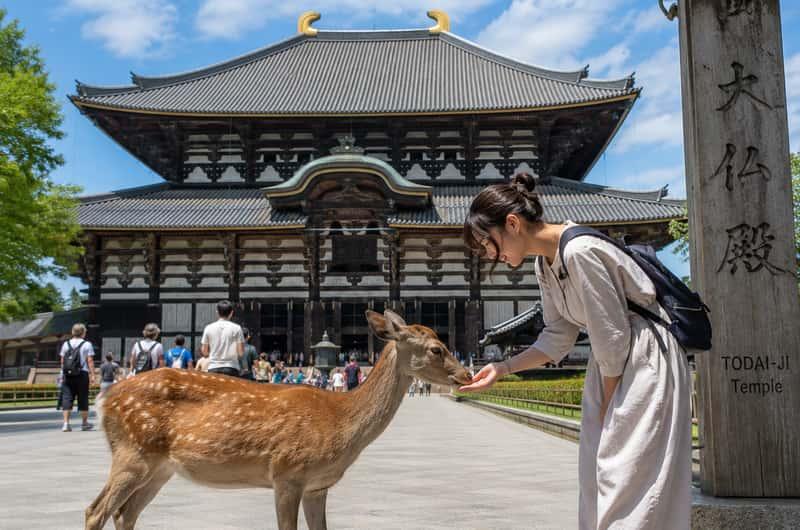
For something a little more unpredictable, head to Nara Park.
The park is famous for its free-roaming deer, which share the space with visitors among temples, trees, pathways, and historic buildings.
That makes Nara particularly fun for photography because you never quite know what will happen next.
A deer walking beneath autumn leaves?
A close-up portrait?
A traditional temple in the background?
There's plenty to work with.
📸 Photo tip: Spend some time observing the animals instead of immediately taking photos. The best moments often happen when you wait.
Best for: Wildlife, portraits, nature, cultural photography.


🌊 6. Miyajima & Itsukushima Shrine, Hiroshima
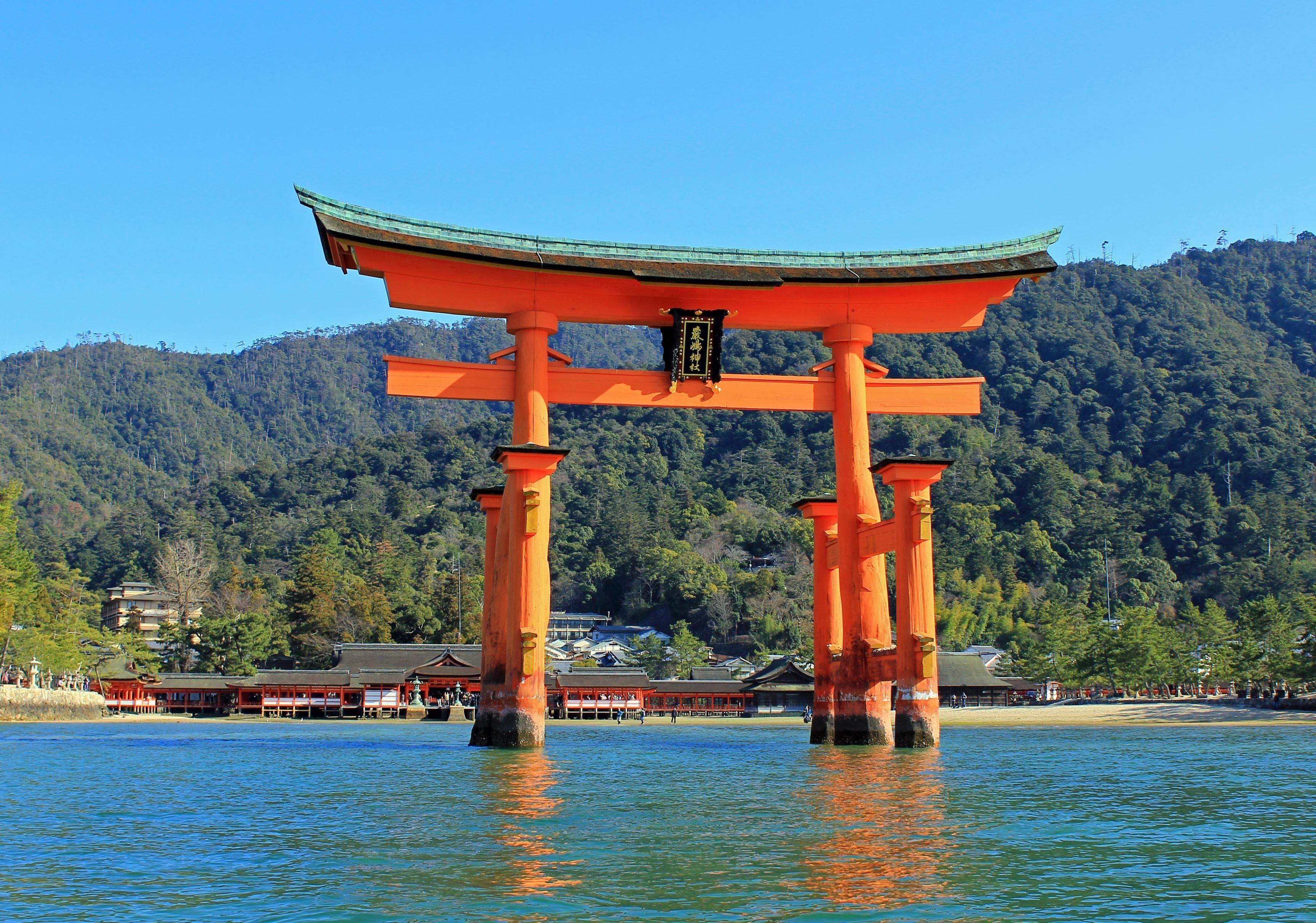
Miyajima is home to one of Japan's most recognizable sights: the enormous torii gate associated with Itsukushima Shrine, standing offshore in the Seto Inland Sea.
The scene changes dramatically depending on the tide, weather, and time of day.
At high tide, the gate can appear to float above the water. At other times, you can walk closer to it and photograph the structure from a completely different perspective.
📸 Photo tip: Check the tide times before visiting so you can plan the composition you want.
Best for: Seascapes, architecture, sunsets, reflections.


🏯 7. Chureito Pagoda, Yamanashi
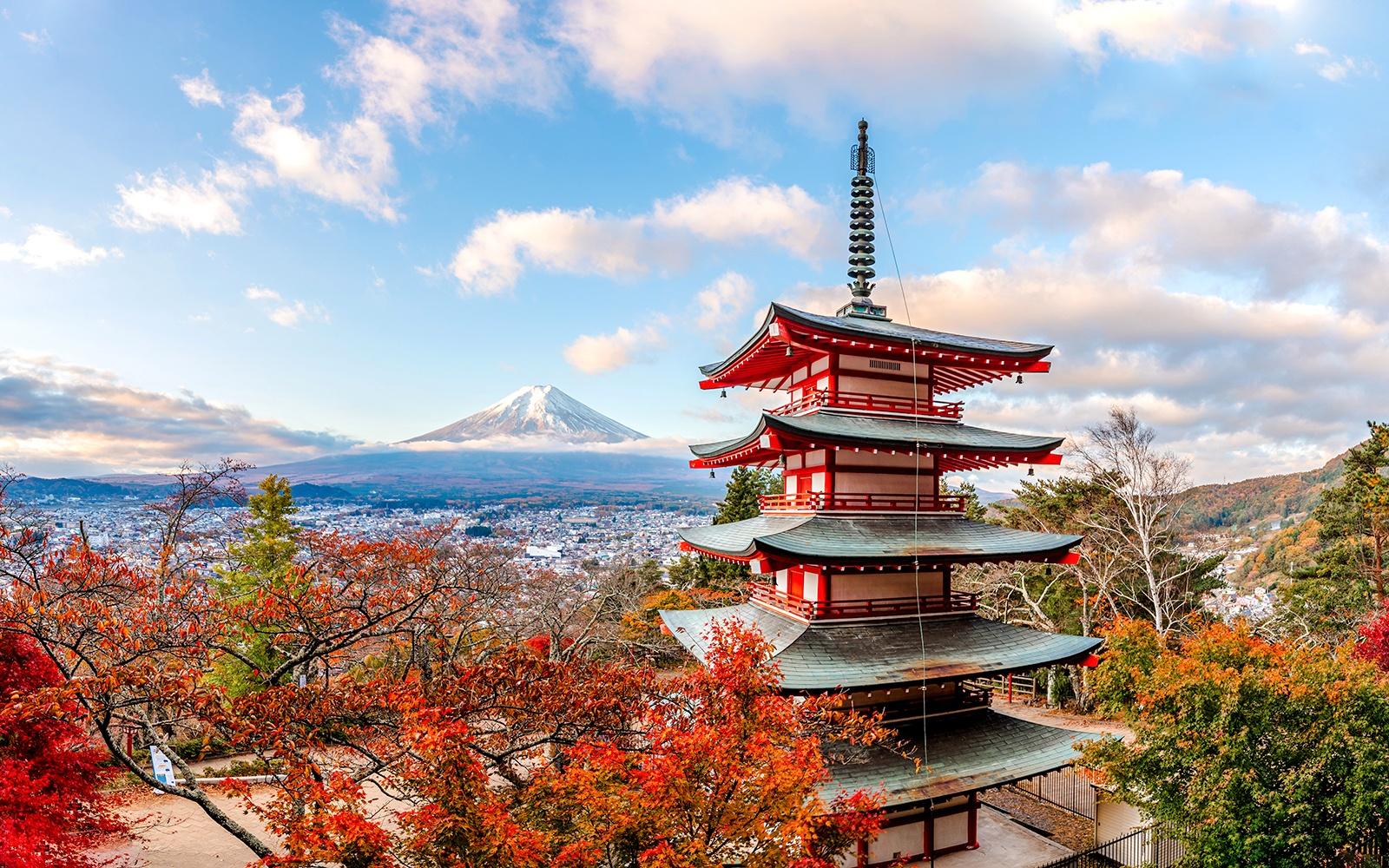
If you're looking for the ultimate Japan postcard photo, Chureito Pagoda deserves a place on your list.
The five-story pagoda sits above Fujiyoshida with Mount Fuji rising dramatically in the background.
The scene becomes especially spectacular during cherry blossom season and autumn foliage, although every season offers its own character.
📸 Photo tip: Visit around sunrise for softer light and a better chance of avoiding the largest crowds.
Best for: Mount Fuji photography, landscapes, architecture, seasonal photography.


🏘️ 8. Shirakawa-go, Gifu
Step away from Japan's giant cities and you'll discover a completely different side of the country.
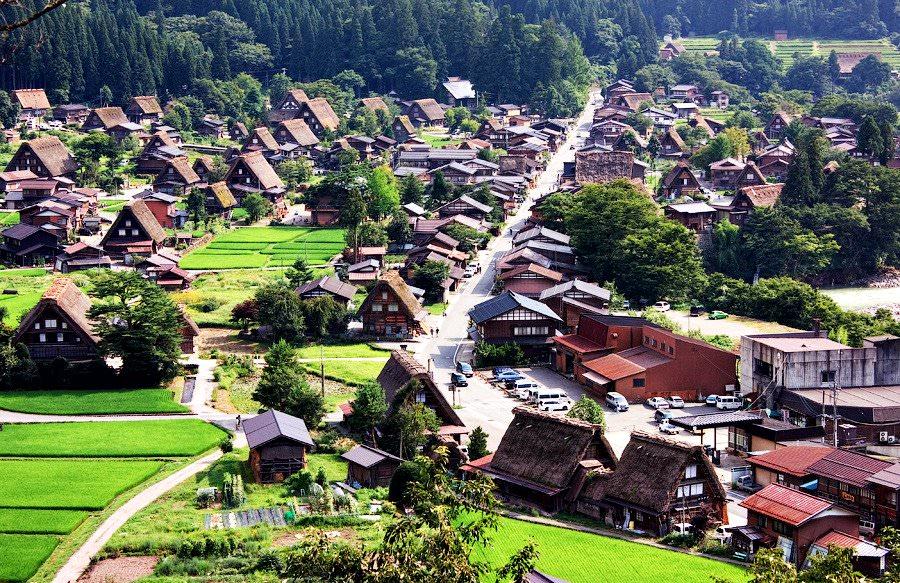
Shirakawa-go is famous for its traditional gassho-zukuri farmhouses and mountain setting.
Winter can transform the village into a fairytale landscape when snow covers the distinctive steeply pitched roofs.
Spring, summer, and autumn offer completely different colors and moods.
📸 Photo tip: Look for an elevated viewpoint to capture the village and surrounding mountains together.
Best for: Traditional Japan, architecture, mountain landscapes, winter photography.


💙 9. Blue Pond, Biei, Hokkaido
Japan isn't all temples and cities.
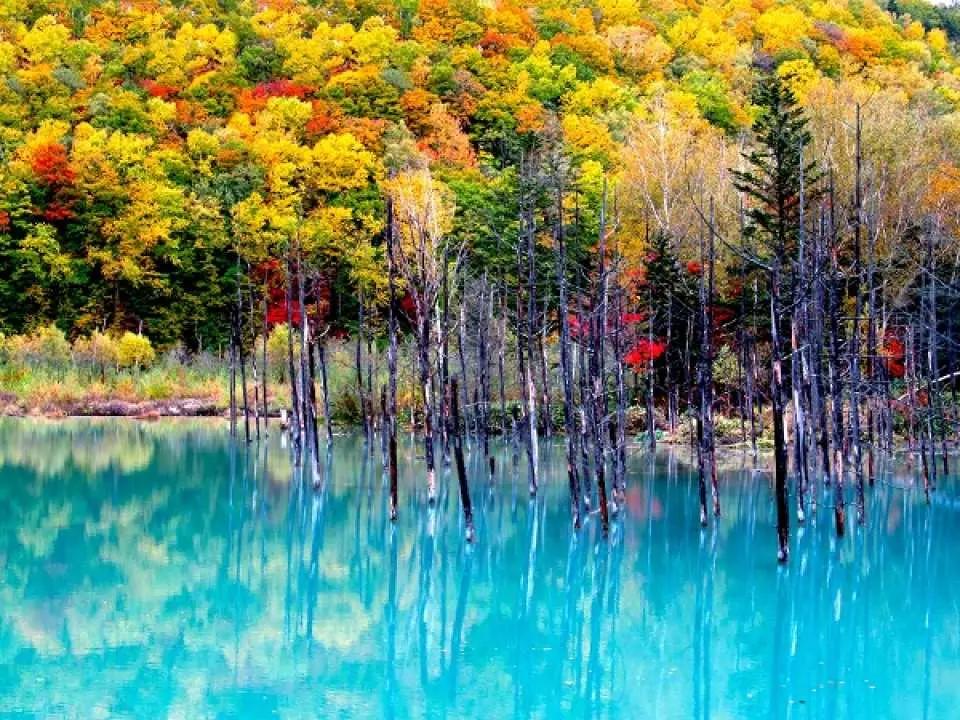
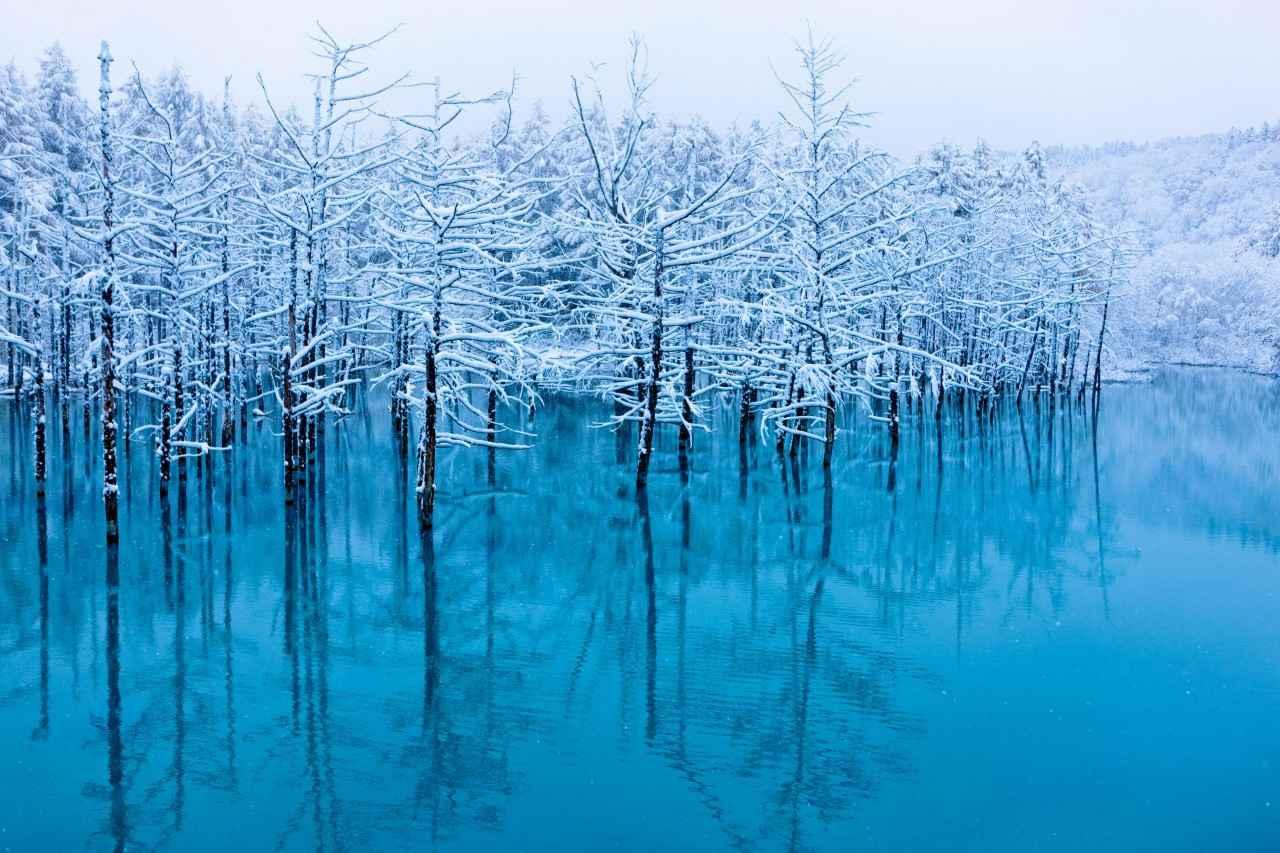
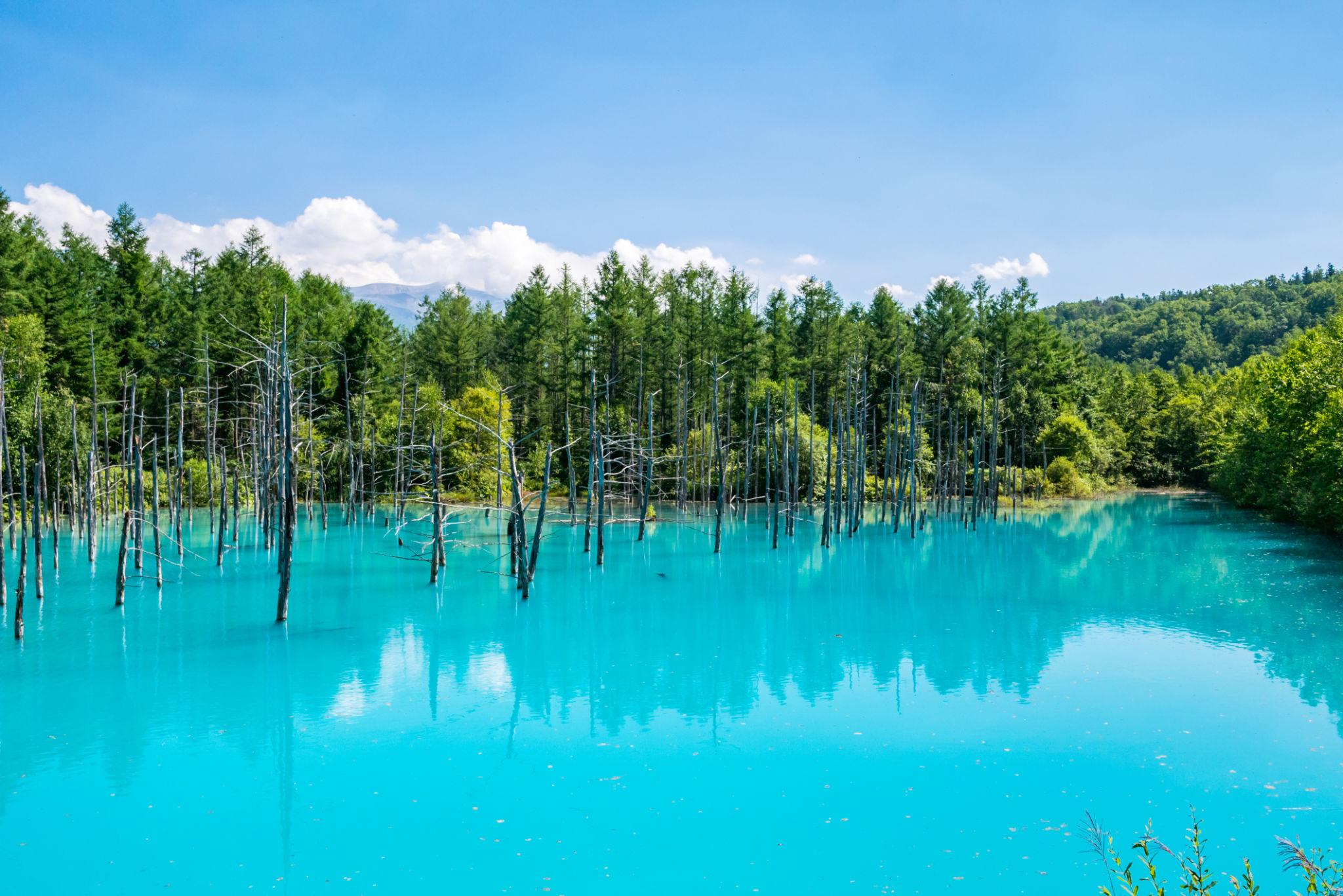
In Hokkaido, you'll find the surreal Blue Pond in Biei, known for its striking blue-green water and the pale tree trunks rising from the surface.
The unusual color and surrounding forest make this an especially interesting location for landscape photography.
The appearance of the pond can change with weather and light, which means you may get a completely different photograph depending on when you visit.
📸 Photo tip: Experiment with reflections and keep your composition simple.
Best for: Nature, minimalist photography, reflections, landscape photography.


🌆 10. Dotonbori, Osaka
Finally, let's turn up the energy.
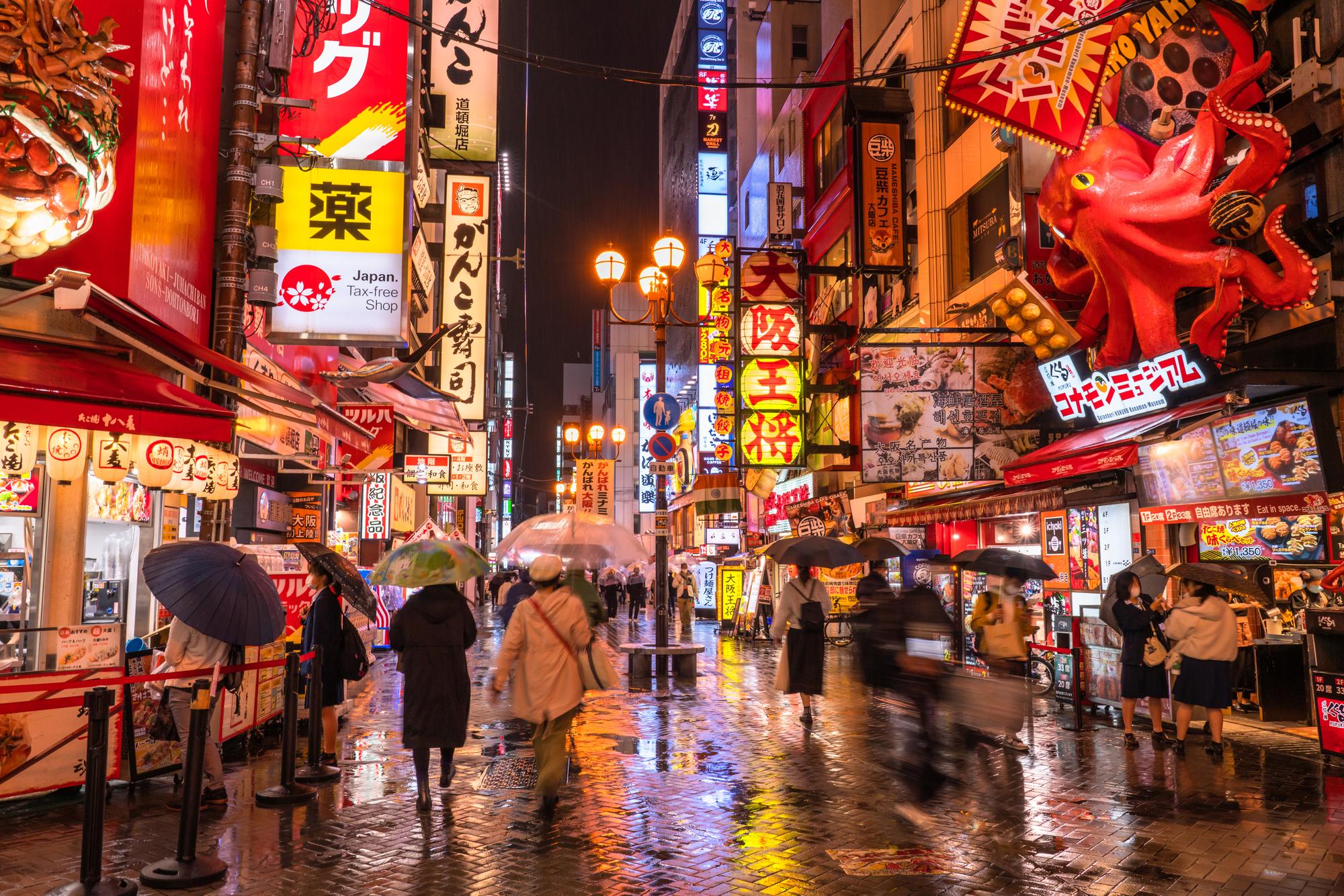
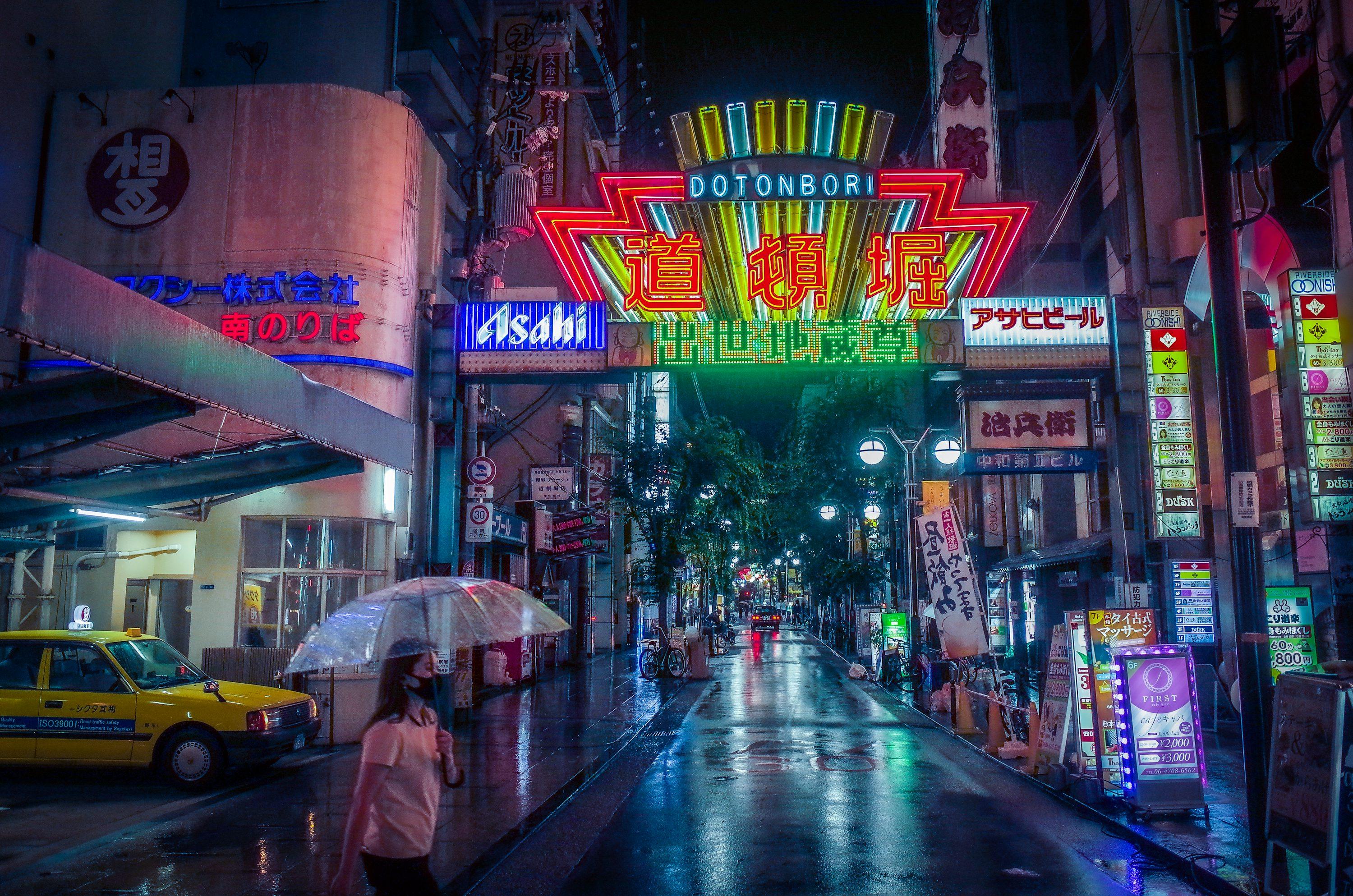
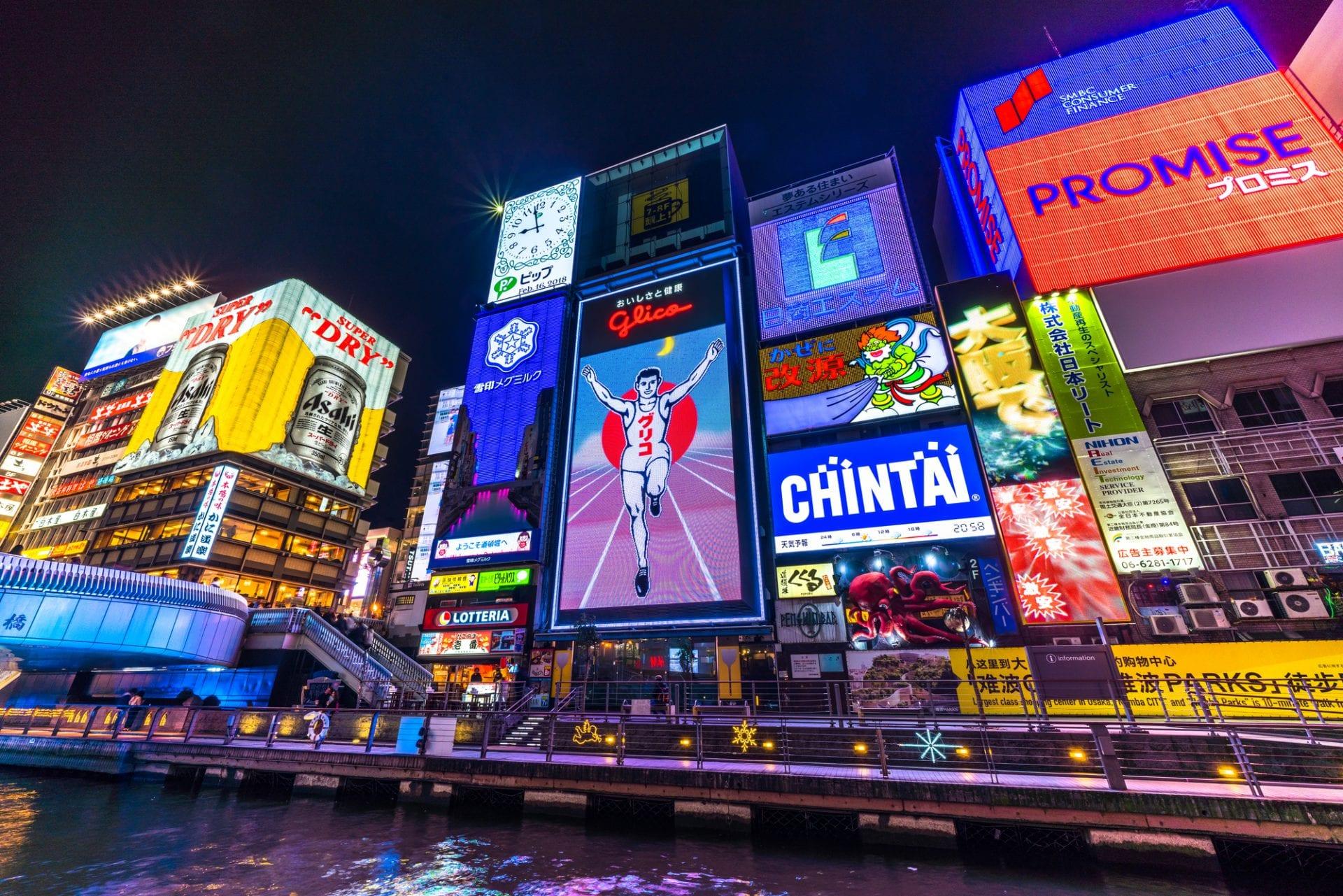
Dotonbori is where Osaka's food culture, nightlife, neon signs, and colorful streets come together.
At night, the area becomes a playground for street photographers. Reflections after rain can make the neon signs even more dramatic, while the crowds provide plenty of opportunities for candid urban scenes.
📸 Photo tip: Don't only photograph the famous signs. Explore the surrounding side streets for smaller details, restaurants, lanterns, and local life.
Best for: Night photography, street photography, food culture, neon.


📷 Japan Is Made for Photography
One of the best things about traveling through Japan is the sheer variety of scenes you'll encounter.
In one trip, you can photograph:
🗻 Mountains
⛩️ Ancient shrines
🎋 Bamboo forests
🌸 Cherry blossoms
🏯 Traditional villages
🦌 Wildlife
🌊 Coastal landscapes
🌃 Neon city streets
💙 Turquoise-blue lakes
And you don't necessarily need expensive camera equipment.
Sometimes the best photograph is simply the moment you stop, look around, and notice something beautiful.
📸 Quick Japan Photography Tips
🌅 Shoot early.
Popular locations can become extremely busy later in the day. Early morning is often your best friend.
🌦️ Don't fear bad weather.
Rain, mist, snow, and clouds can add atmosphere and create photographs that look completely different from the typical postcard.
🌸 Think about the season.
Japan changes dramatically throughout the year. Cherry blossoms, summer greenery, autumn foliage, and winter snow can transform the same location.
🚶 Explore beyond the famous viewpoint.
The most recognizable shot isn't always the most memorable one. Walk a little farther and look for your own perspective.
📱 Your phone is enough.
Modern smartphones can capture incredible travel photos. Focus on composition, light, and timing before worrying about equipment.
🇯🇵 Which Japan Photography Spot Would You Visit First?
From the neon energy of Tokyo and Osaka to the peaceful landscapes of Hokkaido, Japan offers something for every kind of photographer.
Whether you're carrying a mirrorless camera, DSLR, or simply your smartphone, keep your eyes open.
Because in Japan, the next great photo might be waiting around the next corner.
📍 Save this guide for your next Japan adventure and follow VibesTravelling.com for more travel inspiration, destinations, and unforgettable experiences.
Advertisement