

 Tyventure
10 Places Around the World to See Rare Wildlife in the Wild
Travel to destinations known for extraordinary animal sightings, from mountain gorillas to snow leopards and whale sharks.
🌍 Introduction: Go Beyond the Ordinary Wildlife Safari
For some travelers, seeing wildlife means spotting elephants, lions, or giraffes on a traditional safari. But around the world, there are extraordinary destinations where you can encounter animals that exist in only a few places on Earth—or nowhere else at all.
From the haunting call of Madagascar's indri lemur to the prehistoric-looking Komodo dragon and the endangered mountain gorilla, these rare wildlife destinations offer unforgettable opportunities to experience animals in their natural environments. More importantly, responsible wildlife tourism can help support protected areas, local communities, guides, and conservation programs.
If your travel bucket list includes rare animals, remote landscapes, wildlife photography, and once-in-a-lifetime encounters, these 10 destinations deserve a serious look.
1. Andasibe-Mantadia National Park, Madagascar — Meet the Indri Lemur


🐒 Wildlife to Look For: Indri, sifakas, aye-aye and other lemurs
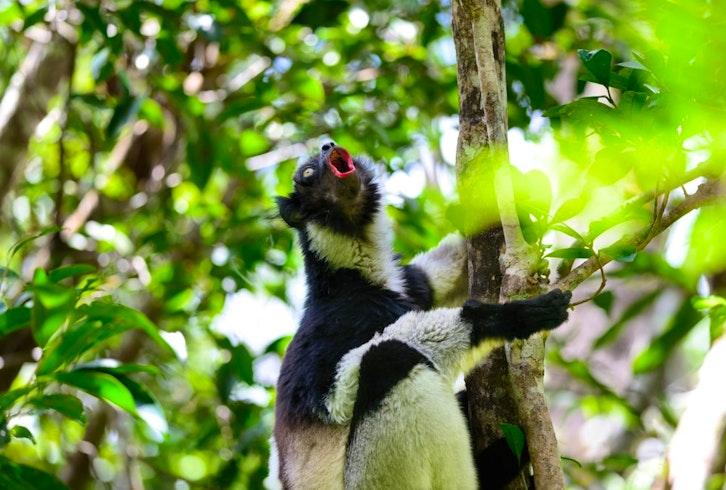
Madagascar is one of the world's great wildlife destinations because so many of its species evolved in isolation. Andasibe-Mantadia National Park is particularly famous for the indri, the largest living lemur.
The park protects thousands of hectares of rainforest and provides habitat for numerous lemur species, birds, reptiles, amphibians and other endemic wildlife. The indri is especially memorable because its distinctive calls can echo through the forest.
For travelers hoping to see rare animals in the wild, an early-morning forest walk with a knowledgeable local guide can turn into an unforgettable wildlife experience. (Madagascar Travel)
Travel tip: Bring binoculars and wear comfortable shoes suitable for muddy rainforest trails.
2. Kinabatangan River, Borneo — Search for Wild Orangutans


🦧 Wildlife to Look For: Orangutans, pygmy elephants and proboscis monkeys
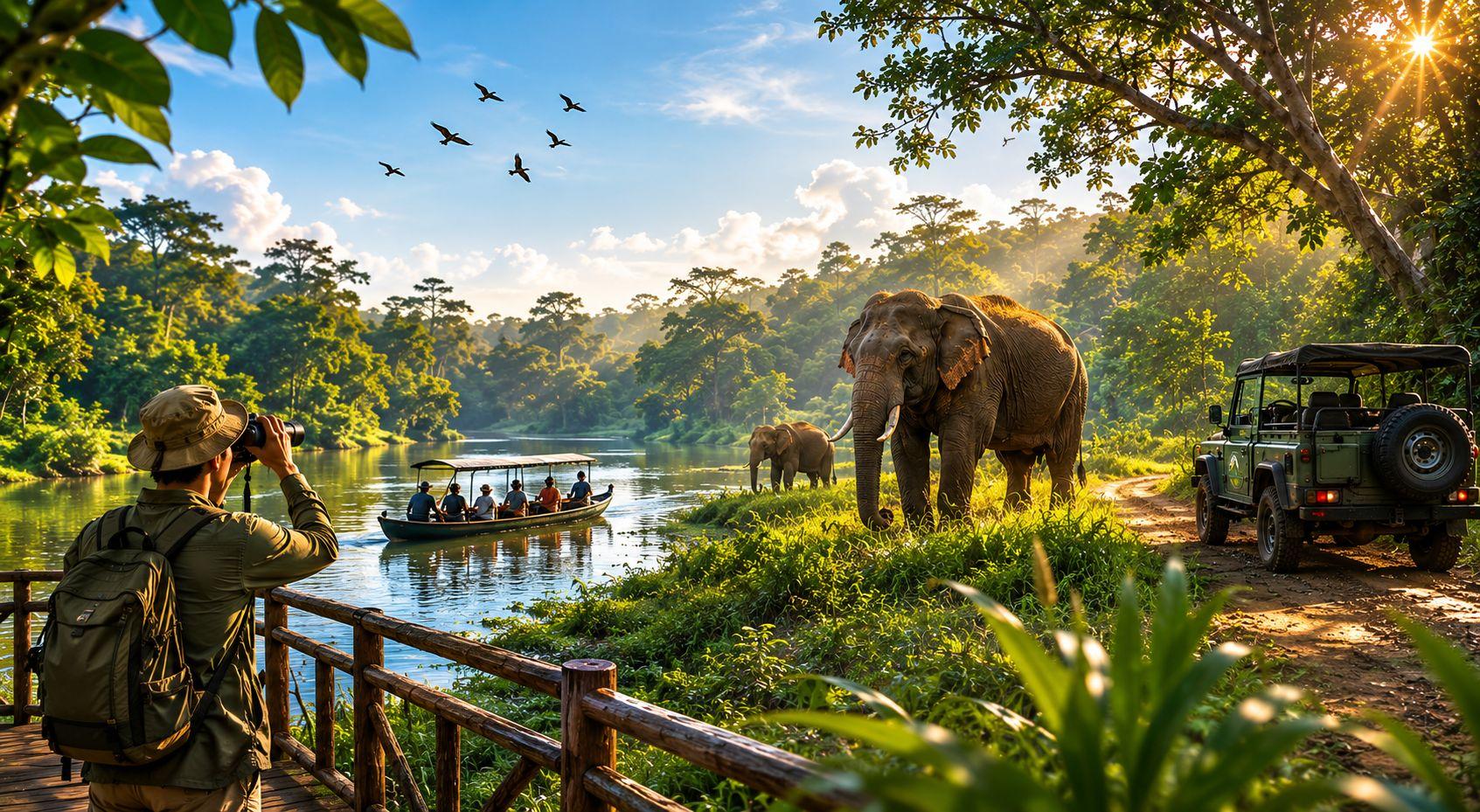
The Kinabatangan River in Sabah, Malaysian Borneo, is an incredible destination for wildlife lovers who want to explore rainforest ecosystems by boat.
The Kinabatangan Wildlife Sanctuary is home to Bornean orangutans, proboscis monkeys, Bornean pygmy elephants, crocodiles and numerous bird species. Sabah Tourism Board notes that dawn and dusk river cruises provide opportunities to spot wildlife along the riverbanks. (Sabah Tourism)
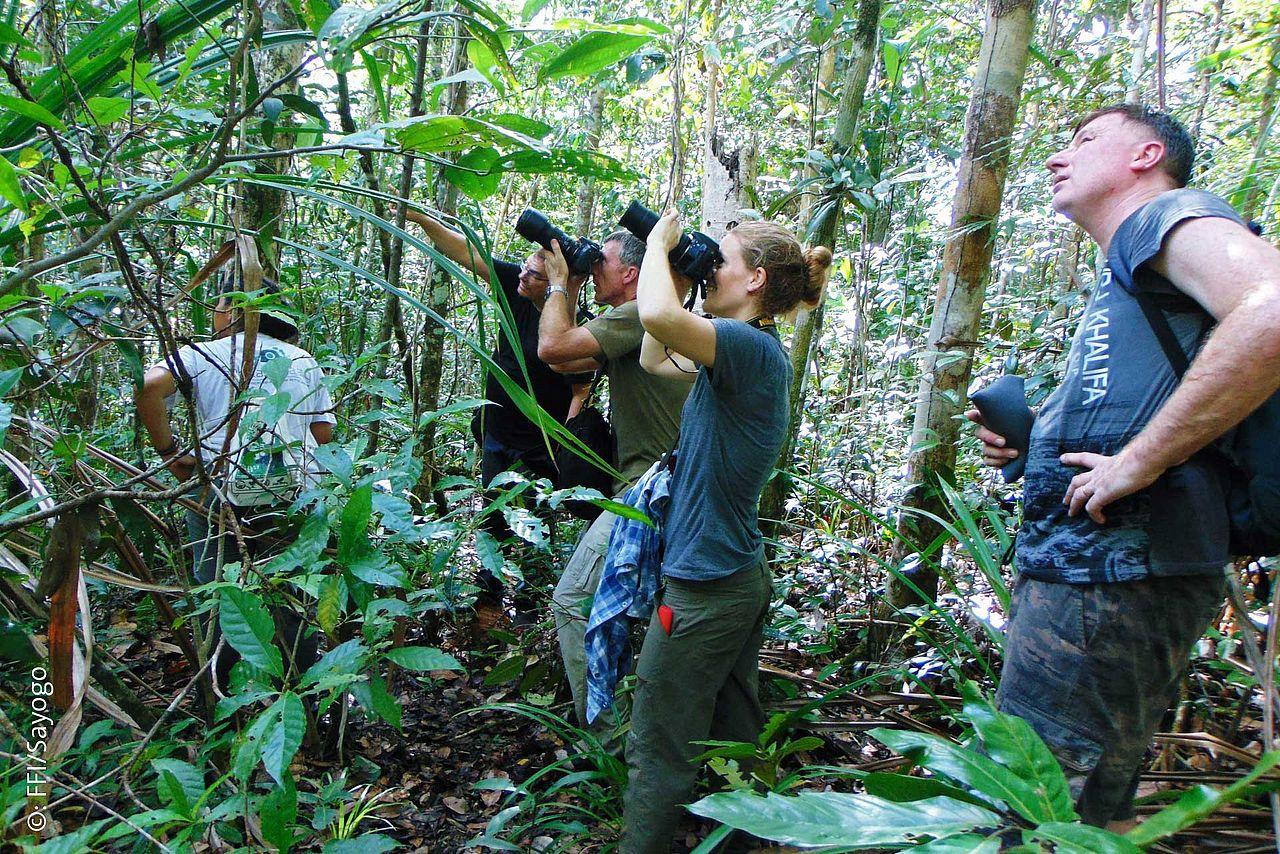
Imagine sitting quietly in a small boat as the sun rises over the rainforest, scanning the trees for an orangutan or watching a proboscis monkey leap between branches.
Travel tip: Pack binoculars and a camera with a good zoom lens. Wildlife sightings are never guaranteed, which is part of the adventure.
3. Volcanoes National Park, Rwanda — Track Mountain Gorillas


🦍 Wildlife to Look For: Mountain gorillas and golden monkeys
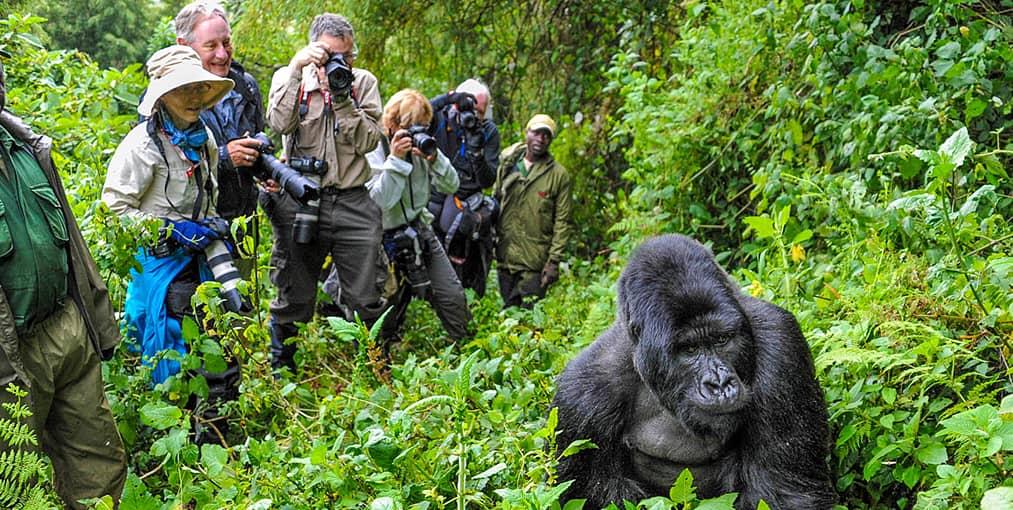
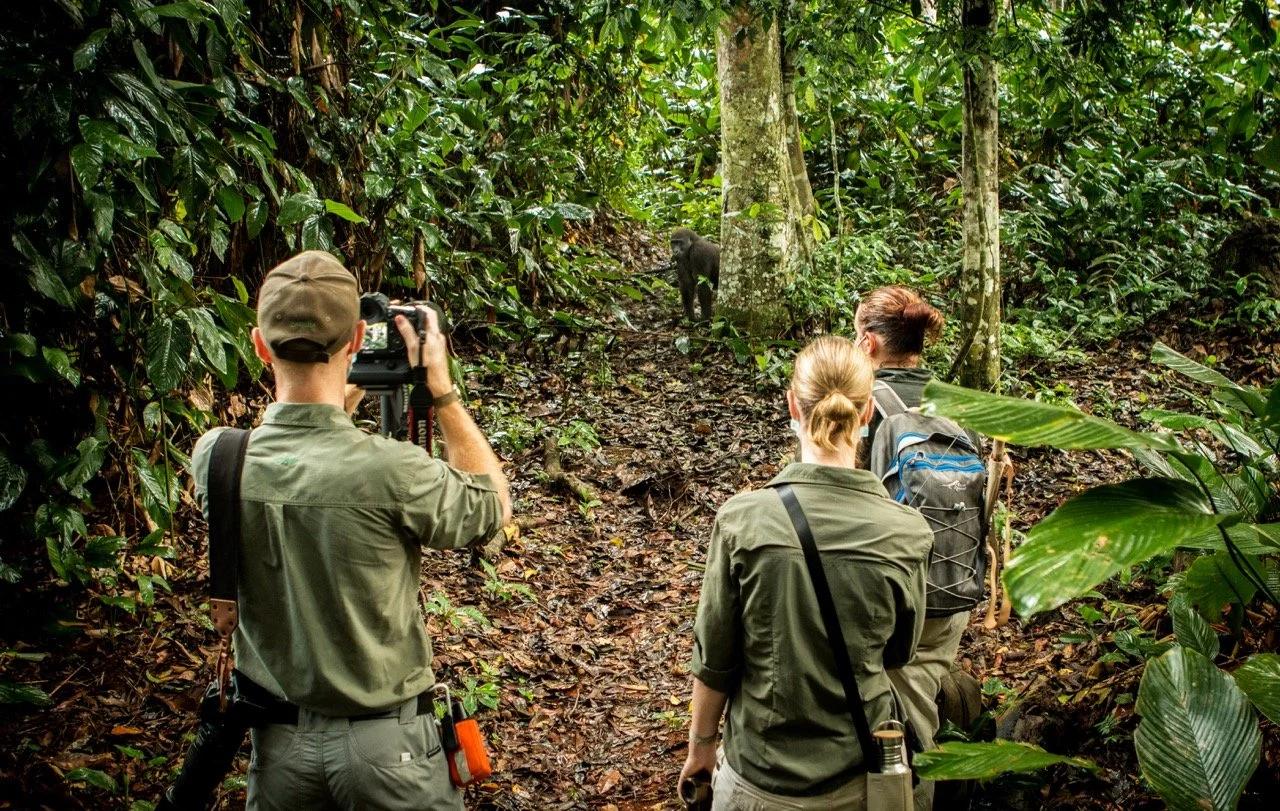
Few wildlife experiences are as remarkable as walking through a misty mountain forest and encountering a family of mountain gorillas.
Rwanda's Volcanoes National Park protects part of the Virunga Massif and is home to endangered mountain gorillas and rare golden monkeys. Gorilla trekking involves hiking through mountainous rainforest with trained guides and park staff. (Visit Rwanda)
This isn't a traditional drive-through safari. You'll be on foot, surrounded by dense vegetation and volcanic landscapes.
Travel tip: Prepare for steep, muddy terrain and changing mountain weather. Follow all park and guide instructions around wildlife.
4. Komodo National Park, Indonesia — Encounter the Komodo Dragon


🦎 Wildlife to Look For: Komodo dragons
If your idea of rare wildlife involves something that looks like it walked straight out of prehistoric history, Komodo National Park should be on your list.
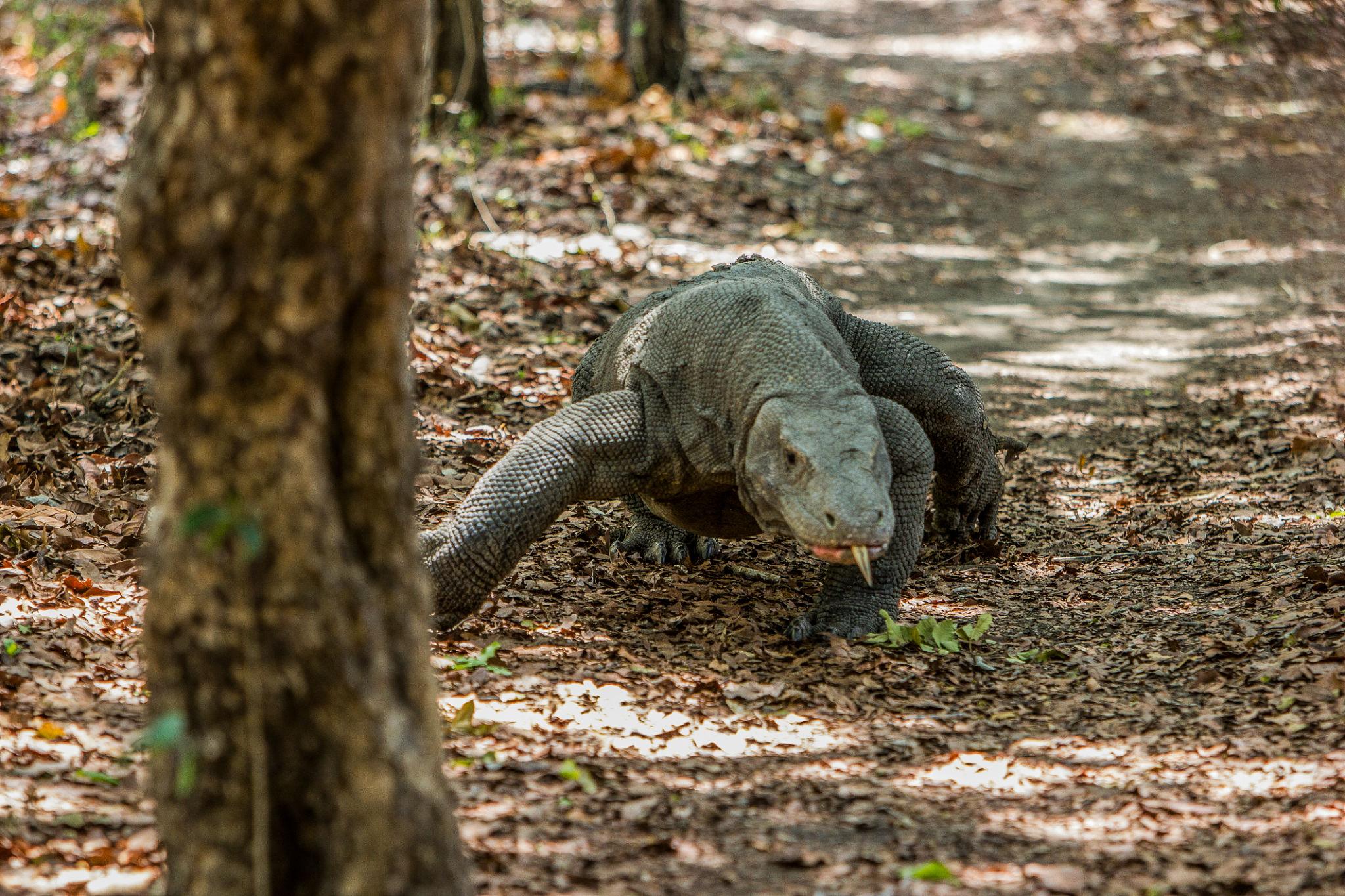
Located in Indonesia's East Nusa Tenggara province, the park was established to protect the Komodo dragon, the world's largest living lizard. The animals are native to this part of Indonesia and can reach around three meters in length. (Visit Indonesia)
The surrounding environment is just as spectacular, with rugged islands, savannah, beaches, coral reefs and marine wildlife.
Because Komodo dragons are powerful wild predators, visitors should remain with authorized guides or rangers and follow safety instructions.
Travel tip: Don't treat a Komodo dragon like a giant lizard you can approach for a selfie. Keep your distance.
5. Galápagos Islands, Ecuador — Wildlife That Helped Change Science


🐢 Wildlife to Look For: Giant tortoises, marine iguanas and Galápagos penguins
The Galápagos Islands are famous for wildlife that evolved in isolation, producing species and populations found nowhere else.
Travelers can encounter giant tortoises, marine iguanas, penguins, sea lions and an extraordinary variety of marine life. Ecuador's tourism authority notes that many reptiles and terrestrial birds in the Galápagos are endemic to the islands. (Ecuador Travel)
The giant tortoises are particularly impressive. Some populations have developed different shell shapes and body characteristics depending on the island and environment where they evolved.
Travel tip: Follow designated trails and wildlife-viewing rules. The Galápagos is a conservation-focused destination where keeping your distance from animals matters.
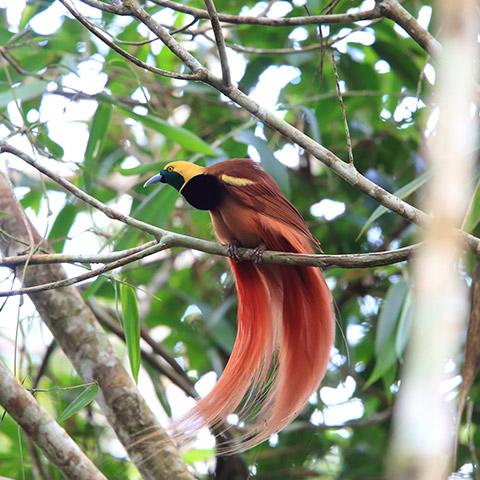
6. Raja Ampat, Indonesia — Search for Birds of Paradise


🦜 Wildlife to Look For: Birds of paradise
Raja Ampat is often associated with spectacular coral reefs and tropical islands, but its wildlife story continues above the water.
In Sawinggrai Village, travelers can go birdwatching for the famous bird of paradise, locally known as Cenderawasih. Indonesia's tourism authority notes that early morning is a particularly important time for observing these birds. (Visit Indonesia)
The experience combines rainforest exploration, island scenery and wildlife photography in one destination.
Travel tip: Wake up early. For wildlife photographers, sunrise can be worth every lost minute of sleep.
7. Simien Mountains, Ethiopia — Find the Gelada and Walia Ibex


🐒 Wildlife to Look For: Geladas, Walia ibex and Ethiopian wolves
Ethiopia is particularly interesting for wildlife travelers because of its high level of endemism. Simien Mountains National Park is home to animals that are difficult—or impossible—to encounter elsewhere.
Among the highlights are the gelada, the Walia ibex and the Ethiopian wolf. The Ethiopian tourism authority describes Simien as an important biodiversity area containing endemic wildlife and dramatic high-altitude landscapes. (PRIMATOTO)
The scenery is almost as spectacular as the wildlife, with jagged peaks, deep valleys and enormous cliffs.
Travel tip: This is a destination for hikers. Good footwear and preparation for altitude are essential.
8. Corcovado National Park, Costa Rica — Enter One of Central America's Wildest Forests


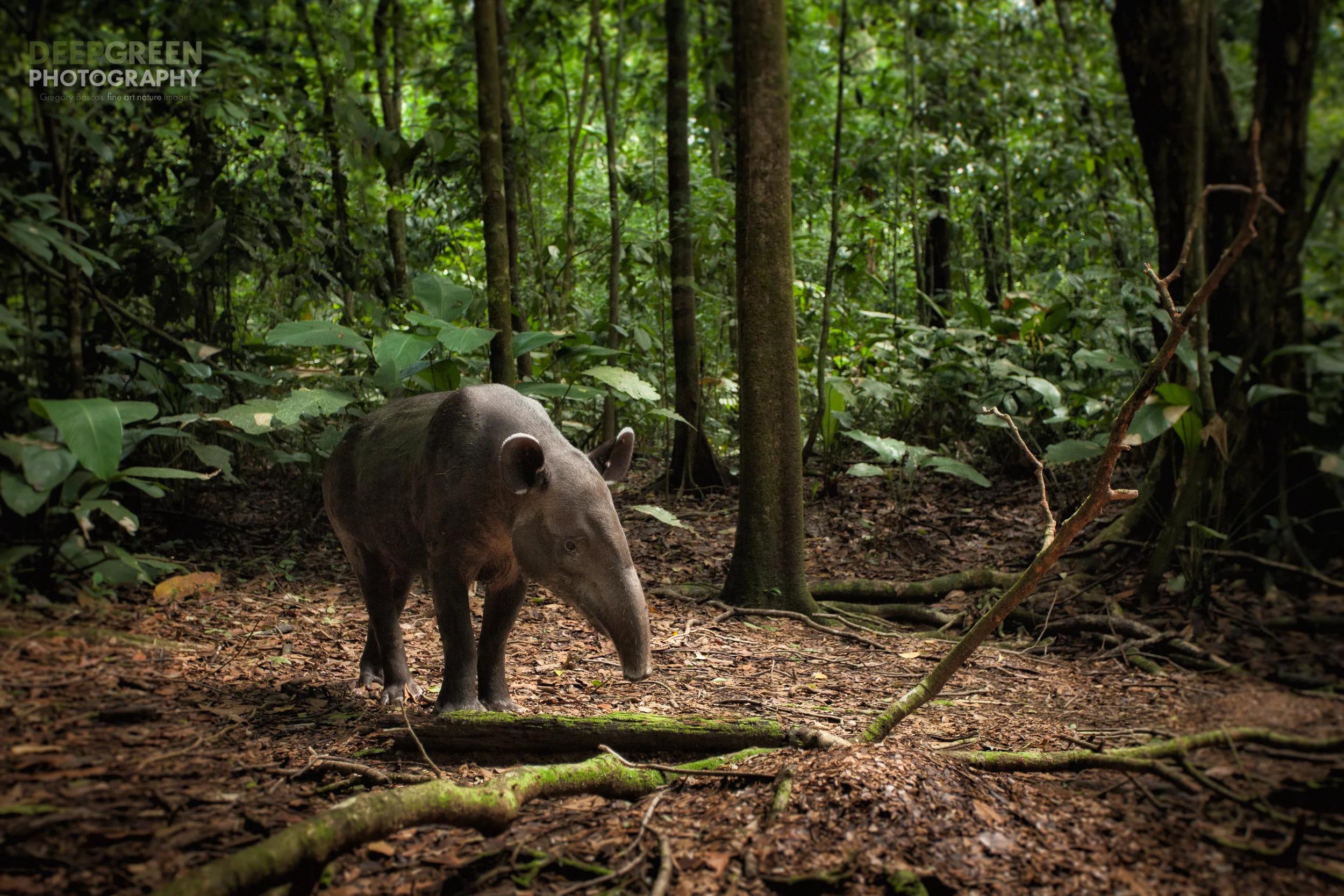
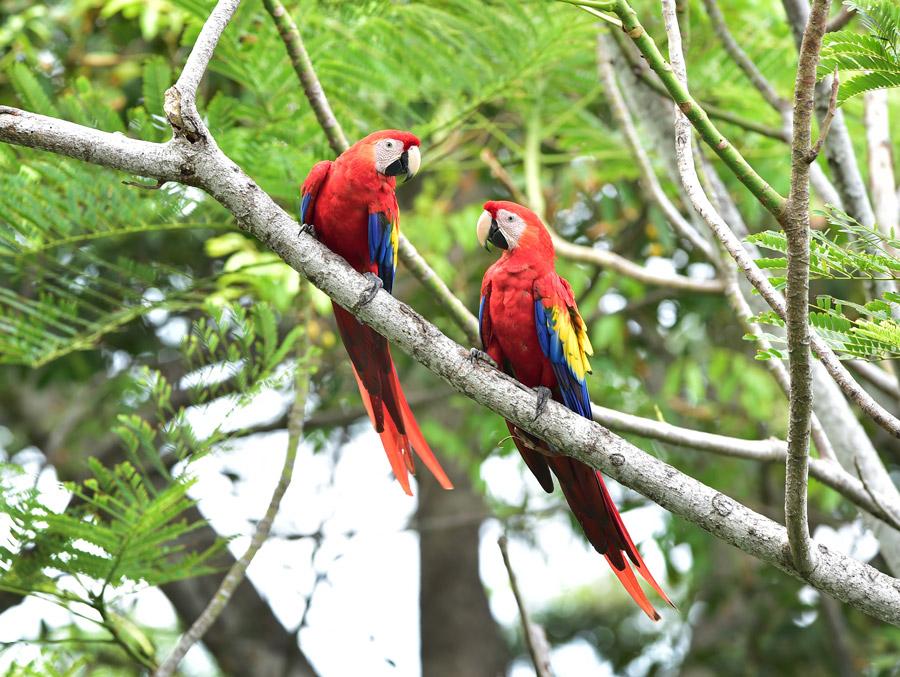
🐆 Wildlife to Look For: Tapirs, monkeys, macaws and elusive cats
Costa Rica is already famous for nature travel, but Corcovado National Park takes the wildlife experience to another level.
The park protects rainforest, mangroves, wetlands, beaches and cloud forest. Visitors may encounter tapirs, monkeys, scarlet macaws and, with considerable luck, elusive cats such as jaguars and ocelots. (Visit Costa Rica)
Corcovado is also an excellent reminder that wildlife watching isn't always about seeing the biggest or most famous animal. Sometimes the thrill is knowing that something rare could be moving silently through the forest nearby.
Travel tip: An authorized guide is required for entry, making guided wildlife excursions an important part of the experience. (Visit Costa Rica)
9. Kaziranga National Park, India — See the One-Horned Rhinoceros


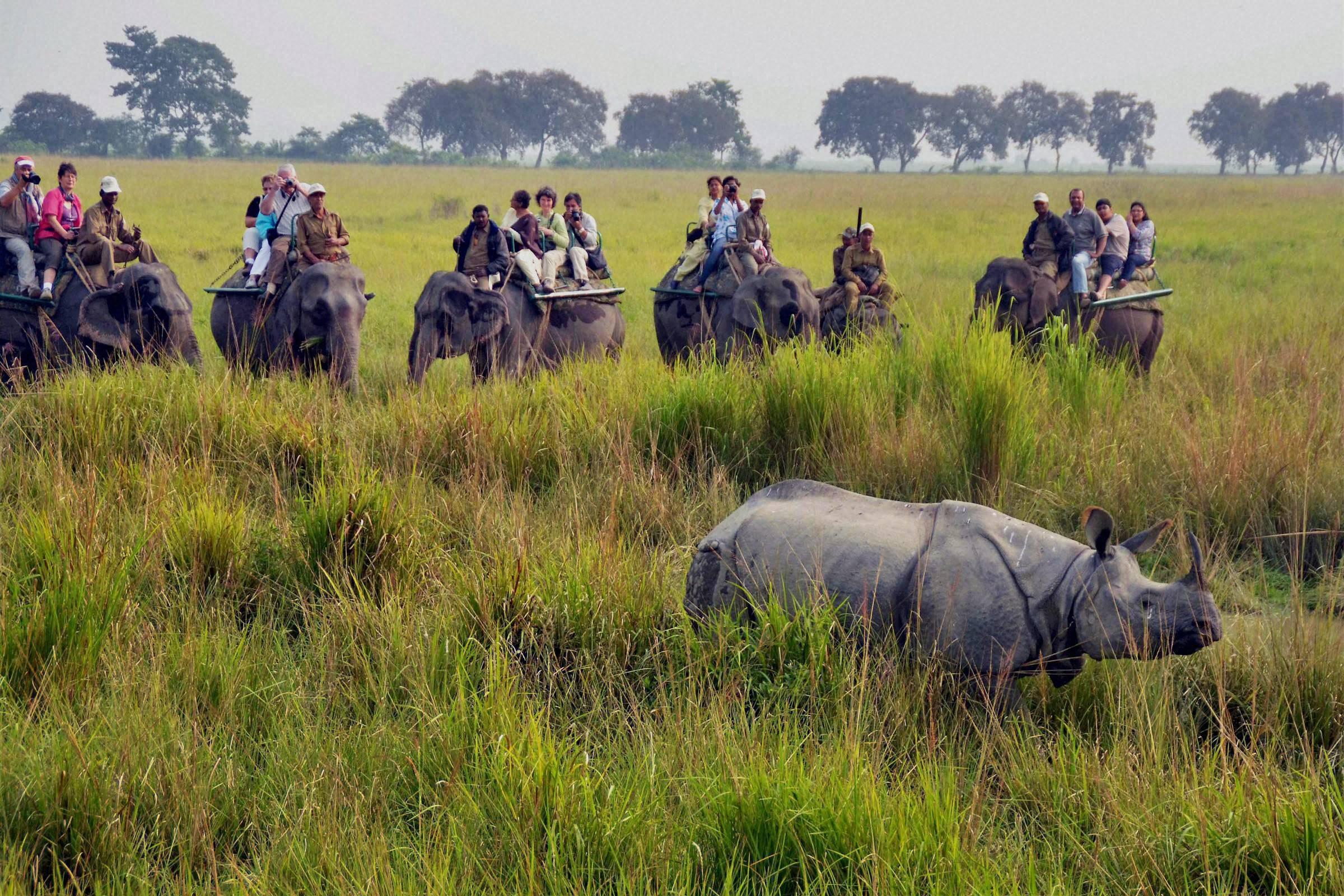
🦏 Wildlife to Look For: Greater one-horned rhinoceros
For travelers fascinated by prehistoric-looking animals, India's Kaziranga National Park is a must-know destination.
The park is particularly famous for its greater one-horned rhinoceros and is home to the world's largest population of this magnificent species, according to India's official tourism website. (Incredible India)
The park's wetlands and tall grasslands also provide habitat for wild buffalo, elephants, birds and other wildlife.
A safari through Kaziranga offers a very different experience from the dense forests of Southeast Asia or Central America—the open grasslands can provide dramatic views of enormous animals moving through the landscape.
Travel tip: Morning wildlife drives can offer beautiful light for photography, but always follow the park's current visitor and safari regulations.
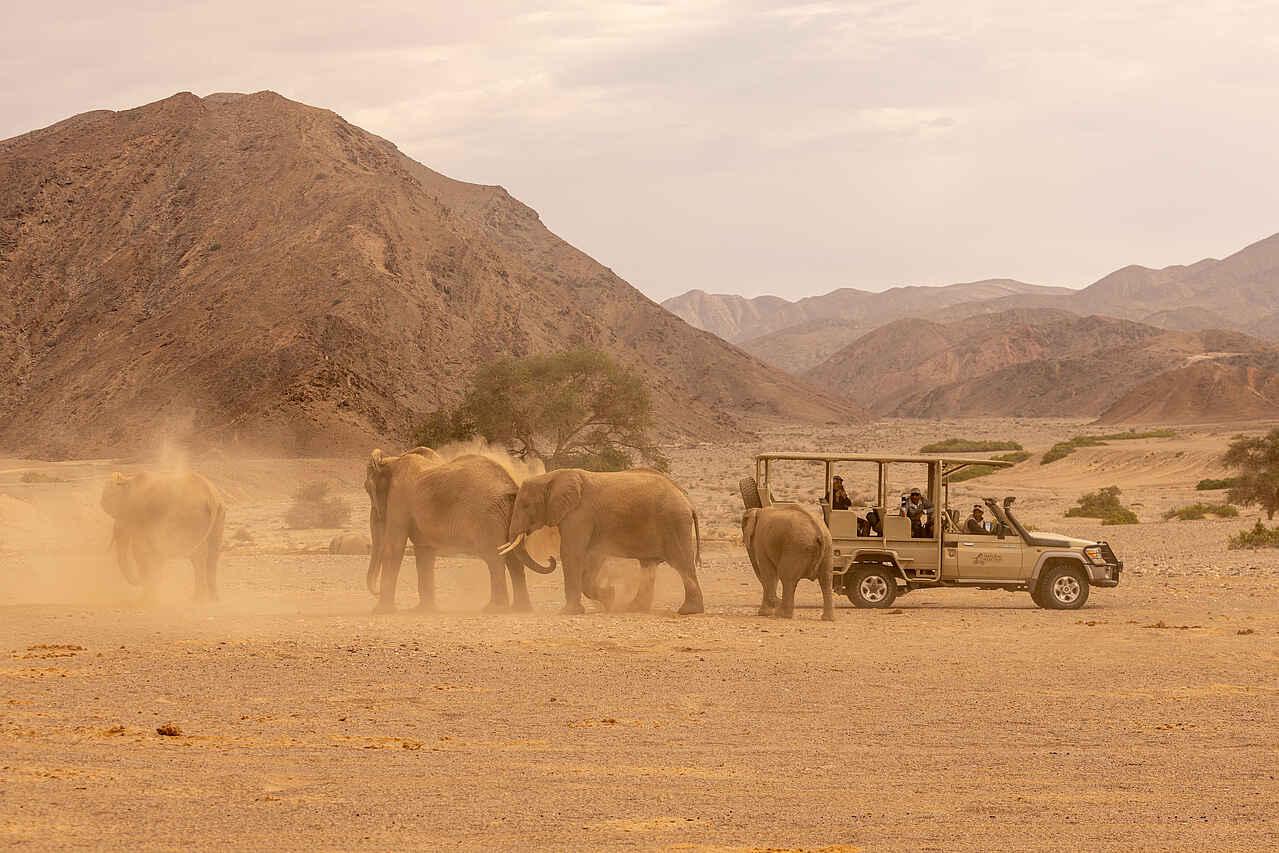
10. Kunene & Damaraland, Namibia — Track Desert-Adapted Elephants and Rhinos


🐘 Wildlife to Look For: Desert-adapted elephants and black rhinos
Namibia proves that extraordinary wildlife doesn't always require lush forests or grasslands.
In the country's remote Kunene and Damaraland regions, travelers can search for desert-adapted elephants and black rhinos living in an exceptionally dry environment. Namibia's tourism authority highlights the region's desert-adapted elephants and opportunities to track free-ranging black rhinos with local operators. (Visit Namibia)
These elephants have adapted to long distances between water sources and survive in an environment dramatically different from the classic African savanna.
For adventurous travelers, this can be a particularly memorable form of wildlife tourism because the landscape itself becomes part of the story.
Travel tip: Remote Namibia requires careful planning. Consider using an experienced local operator familiar with the region and its wildlife.
🗺️ Quick Guide: Which Rare Wildlife Destination Fits Your Trip?
| Destination | Wildlife Highlight | Experience |
|---|---|---|
| 🇲🇬 Madagascar | Indri lemur | Rainforest trekking |
| 🇲🇾 Borneo | Orangutan & pygmy elephant | River safari |
| 🇷🇼 Rwanda | Mountain gorilla | Gorilla trekking |
| 🇮🇩 Komodo | Komodo dragon | Island wildlife trek |
| 🇪🇨 Galápagos | Giant tortoise & marine iguana | Island exploration |
| 🇮🇩 Raja Ampat | Bird of paradise | Birdwatching & island travel |
| 🇪🇹 Ethiopia | Gelada & Walia ibex | Mountain trekking |
| 🇨🇷 Costa Rica | Tapir & rainforest wildlife | Guided rainforest adventure |
| 🇮🇳 India | One-horned rhino | Wildlife safari |
| 🇳🇦 Namibia | Desert elephant & black rhino | Remote wilderness safari |
🌱 How to See Rare Wildlife Responsibly
Seeing a rare animal in the wild is exciting, but the goal should always be to observe wildlife without changing its natural behavior.
Follow these simple wildlife travel rules:
-
Keep a respectful distance from animals.
-
Never feed or touch wild animals.
-
Avoid tours that intentionally force animals into unnatural interactions.
-
Follow instructions from park rangers and local guides.
-
Don't use flash photography when it could disturb wildlife.
-
Choose licensed guides and reputable conservation-focused operators.
-
Stay on designated trails where required.
-
Don't chase animals for photographs.
-
Support locally owned accommodations, guides and tourism businesses when possible.
-
Remember that not seeing an animal is still part of authentic wildlife travel.
Responsible wildlife tourism can help travelers appreciate fragile ecosystems while contributing to the communities and conservation efforts surrounding them.
📸 Why Rare Wildlife Makes an Incredible Travel Story
There's something different about seeing an animal where it naturally belongs.
A photograph of a Komodo dragon crossing a dry island trail tells a different story from seeing one behind glass. Hearing an indri call from a Madagascar rainforest, watching an orangutan move through the Bornean canopy, or spotting a mountain gorilla through the mist creates a connection between the traveler and the destination.
These experiences also encourage us to explore beyond the usual tourist attractions.
And that's exactly what makes wildlife travel so exciting: sometimes the most unforgettable moment of a journey isn't a famous monument or luxury hotel—it's a few seconds when you realize that a genuinely rare animal is standing right there in the wild.
🌎 Final Thoughts
From the rainforests of Madagascar and Borneo to the volcanic islands of the Galápagos and Komodo, the world still contains remarkable places where travelers can encounter wildlife found nowhere else.
Whether your dream is to photograph a lemur, trek for gorillas, watch birds of paradise at sunrise, search for an Ethiopian wolf, or follow desert elephants across Namibia, these destinations can turn a normal vacation into a true wildlife adventure.
For your next trip, don't just ask "Where do I want to go?"
Ask:
"What rare animal do I want to see in its natural home?"
That question might lead you somewhere extraordinary. 🌍
🔎 SEO Keywords
Rare wildlife destinations, places to see rare wildlife, wildlife travel, wildlife tourism, rare animals in the wild, endangered animals to see, best wildlife destinations, wildlife photography destinations, animal encounters, wildlife safari, responsible wildlife tourism, nature travel, wildlife bucket list, unusual animals, exotic wildlife destinations, best places for wildlife lovers
Suggested Featured Image


Advertisement