

 Tyventure
Africa Travel & Packing Guide: Essential Things to Pack Before Your Trip
Africa is not one single travel experience. The continent includes bustling cities, tropical coastlines, deserts, mountains, national parks,
✈️ Planning a Trip to Africa? Start With the Right Packing List
Africa is not one single travel experience. The continent includes bustling cities, tropical coastlines, deserts, mountains, national parks, historic towns, islands and some of the world's most famous wildlife destinations.
That means your packing list should depend heavily on which country or countries you're visiting, the season, your activities and the type of accommodation you'll use.
Whether you're planning a safari in Kenya or Tanzania, exploring Morocco, relaxing in Zanzibar, discovering South Africa, visiting Ghana, experiencing Egypt or taking a road trip through Namibia, a little preparation can make your journey much easier.
Here's a practical Africa travel and packing guide to help you prepare.
🧳 1. Choose the Right Luggage
Your luggage should match your itinerary.
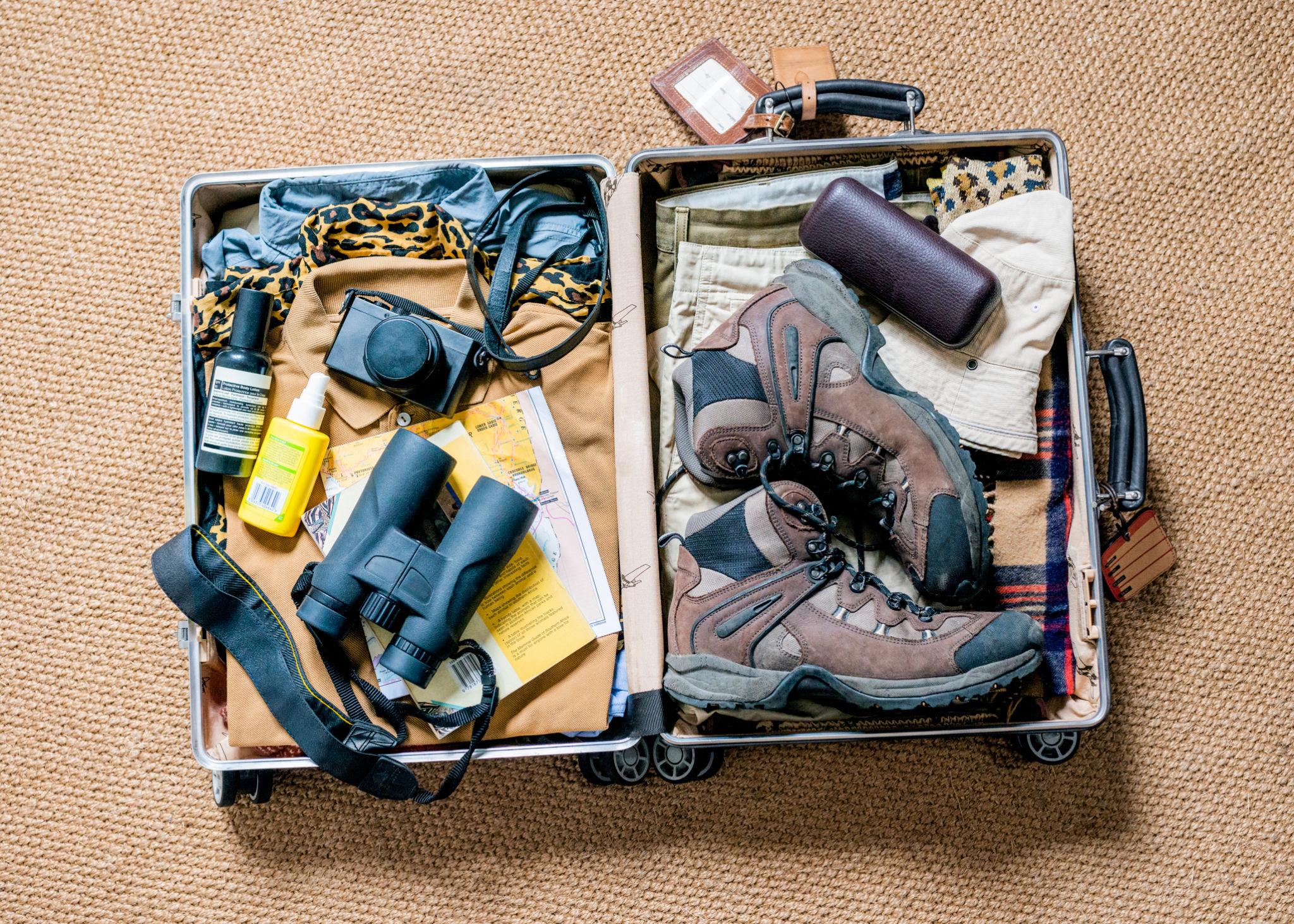
For a city-focused trip, a conventional suitcase can work well. But if you're combining flights, safari vehicles, smaller accommodations and rural destinations, a lightweight soft-sided bag or travel backpack may be more convenient.


Consider packing:
-
Lightweight suitcase or travel backpack
-
Small daypack
-
Packing cubes
-
Laundry bag
-
Waterproof bags for electronics or wet clothing
-
Small crossbody or secure day bag
-
Luggage tags
-
Travel lock
VibesTraveling tip: Don't pack for every possible situation. Pack versatile clothing that can be mixed and matched.
👕 2. Pack Lightweight, Versatile Clothing
One of the biggest mistakes travelers make is packing too many clothes.
Instead, bring pieces that can be worn in different situations.


Good options include:
-
Lightweight T-shirts
-
Breathable long-sleeve shirts
-
Comfortable trousers
-
Lightweight shorts
-
Comfortable walking shoes
-
Sandals
-
Light jacket or sweater
-
Hat or cap
-
Sunglasses
-
Comfortable sleepwear
-
Moisture-wicking socks
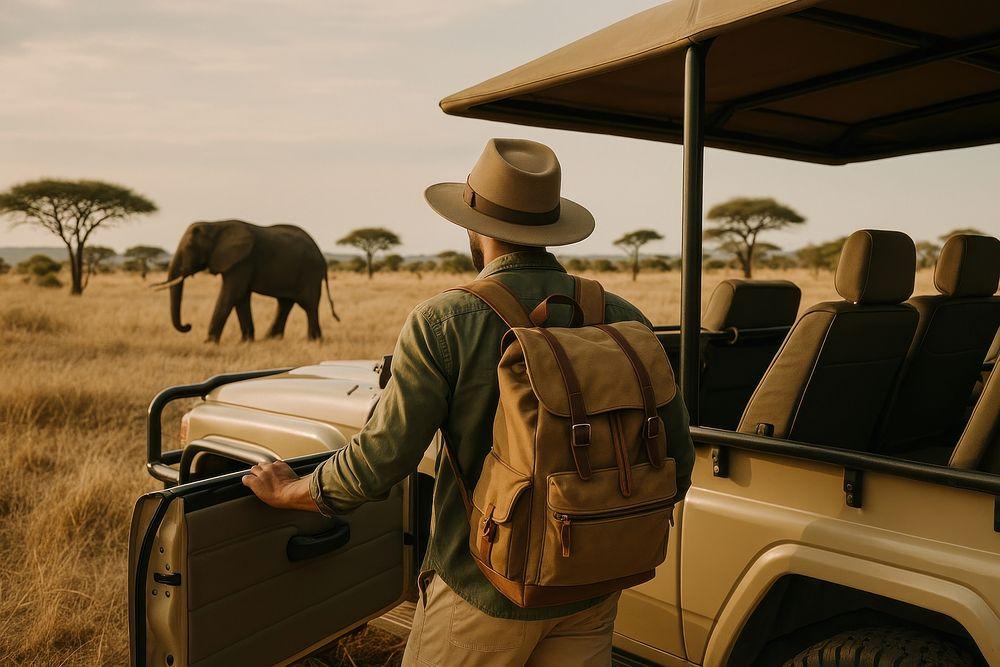
For safari trips, neutral colors such as khaki, beige, brown, olive and other muted tones are popular choices.
However, don't assume the same clothing works everywhere in Africa. A beach vacation in Zanzibar, a winter trip to South Africa and a desert adventure in Namibia can require very different wardrobes.
🦟 3. Don't Forget Mosquito Protection
Mosquito protection deserves a prominent place on your packing checklist.
Some African destinations have mosquito-borne diseases, including malaria and yellow fever. The level of risk varies considerably by country and region.
The CDC recommends travelers to areas with mosquito-borne disease risks use appropriate insect repellent and protective clothing. (CDC)


Consider packing:
-
Insect repellent
-
Long-sleeved shirts
-
Long trousers
-
Appropriate mosquito protection for your accommodation
-
After-bite treatment
-
Any prescribed travel medication
If malaria prevention medication is appropriate for your destination, speak with a qualified healthcare professional before your trip. Malaria prevention recommendations depend on the specific destination and the traveler's circumstances. (World Health Organization)
💉 4. Research Vaccines & Health Requirements Before You Fly
Don't leave health preparation until the night before your flight.
Different African countries can have different entry requirements and health recommendations. Yellow fever requirements, for example, can depend on both your destination and where you've recently traveled.
WHO notes that countries can change their entry requirements, so travelers should check current requirements with the relevant authorities before departure. (World Health Organization)


Before traveling, consider:
-
Checking your destination's vaccination requirements
-
Reviewing recommended vaccines
-
Checking yellow fever requirements
-
Discussing malaria prevention
-
Carrying copies of important medical documents
-
Packing sufficient prescription medication
-
Checking whether your travel insurance covers medical care
WHO also recommends carrying important health documents and enough prescribed medication for the trip, including potential delays. (World Health Organization)
Important: Health requirements vary by destination. Always check current official guidance for the particular African country you're visiting.
🛂 5. Keep Your Passport & Travel Documents Organized
Your passport is obviously essential, but don't stop there.
Create a digital and physical backup of important documents.


Keep track of:
-
Passport
-
Visa or electronic travel authorization, where required
-
Flight information
-
Hotel reservations
-
Travel insurance information
-
Emergency contacts
-
Vaccination certificates when applicable
-
Copies of important identification
-
Driving permit if you're renting a vehicle
Store digital copies securely in your phone or cloud storage while keeping physical copies separate from your passport.
💳 6. Bring a Smart Mix of Payment Options
Don't rely entirely on one bank card.
Depending on your destination, you may encounter major card networks, local payment systems, ATMs or situations where cash is more practical.


A practical approach:
-
Carry at least one primary payment card
-
Consider a backup card
-
Carry some local currency when practical
-
Keep emergency funds separately
-
Notify your bank about international travel if required
-
Use secure payment practices
Before leaving, research the payment situation for each country on your itinerary rather than assuming that one method works everywhere.
🔌 7. Pack the Correct Power Adapter
Africa doesn't have one universal electrical plug standard.
Plug types and voltage can differ between countries, so research the specific destinations on your itinerary before purchasing an adapter.


Useful electronics include:
-
Universal travel adapter
-
Phone charger
-
USB-C cable
-
Power bank
-
Camera batteries
-
Memory cards
-
Headphones
-
Portable charging cable
-
E-reader or tablet, if desired
A universal adapter can be particularly useful if your trip includes several countries.
💧 8. Carry a Reusable Water Bottle
Staying hydrated is important, particularly when traveling through hot or dry regions.


A reusable bottle can be useful on:
-
Safaris
-
Hiking trips
-
City tours
-
Long bus journeys
-
Road trips
-
Outdoor excursions
However, don't automatically assume tap water is safe to drink everywhere. CDC travel guidance recommends choosing safer food and drinks where contamination is a concern, including sealed bottled beverages where appropriate. (CDC)
🧴 9. Bring Sun Protection
Africa includes many destinations with intense sunshine and high temperatures.


Pack:
-
Sunscreen
-
Sunglasses
-
Wide-brimmed hat
-
Lip balm with sun protection
-
Lightweight long-sleeved clothing
-
Reusable water bottle
A good hat can become one of the most useful items in your suitcase.
👟 10. Bring Comfortable Shoes
Your footwear should depend on your itinerary.


For city trips:
Comfortable walking shoes or sneakers may be enough.
For hiking:
Consider sturdy hiking shoes or boots appropriate for the terrain.
For safari:
Comfortable closed-toe shoes can be useful, particularly for activities involving walking.
For beach destinations:
Sandals or water-friendly footwear can be useful.
Packing trick: Wear your bulkiest shoes on the plane and pack the lighter pair.
📷 11. Prepare Your Camera & Travel Gear
Africa can be an incredible destination for photography.
From wildlife and landscapes to markets, architecture, beaches and local culture, you'll find plenty of opportunities to capture memories.


Consider packing:
-
Camera or smartphone
-
Extra memory cards
-
Spare batteries
-
Portable charger
-
Lens cloth
-
Camera protection
-
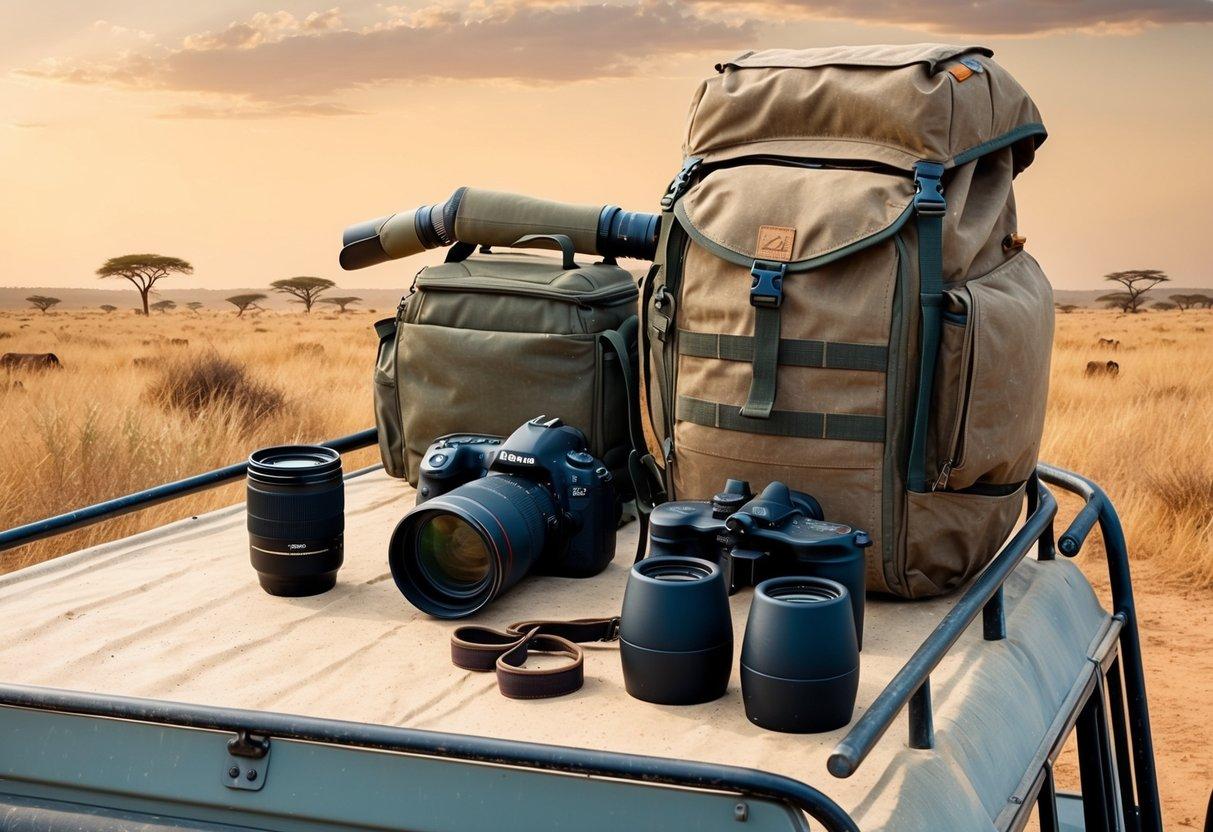
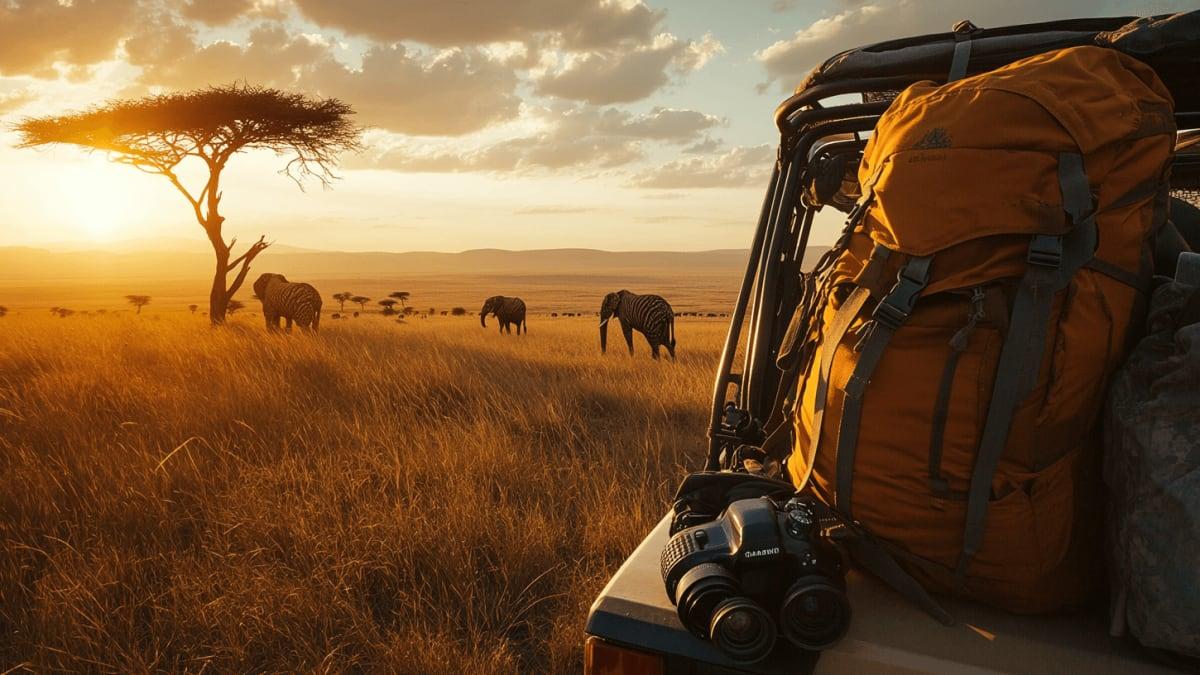
Binoculars for wildlife viewing
-
Small dry bag
If you're going on safari, binoculars can be just as useful as a camera.
🧼 12. Pack a Small Personal Hygiene Kit
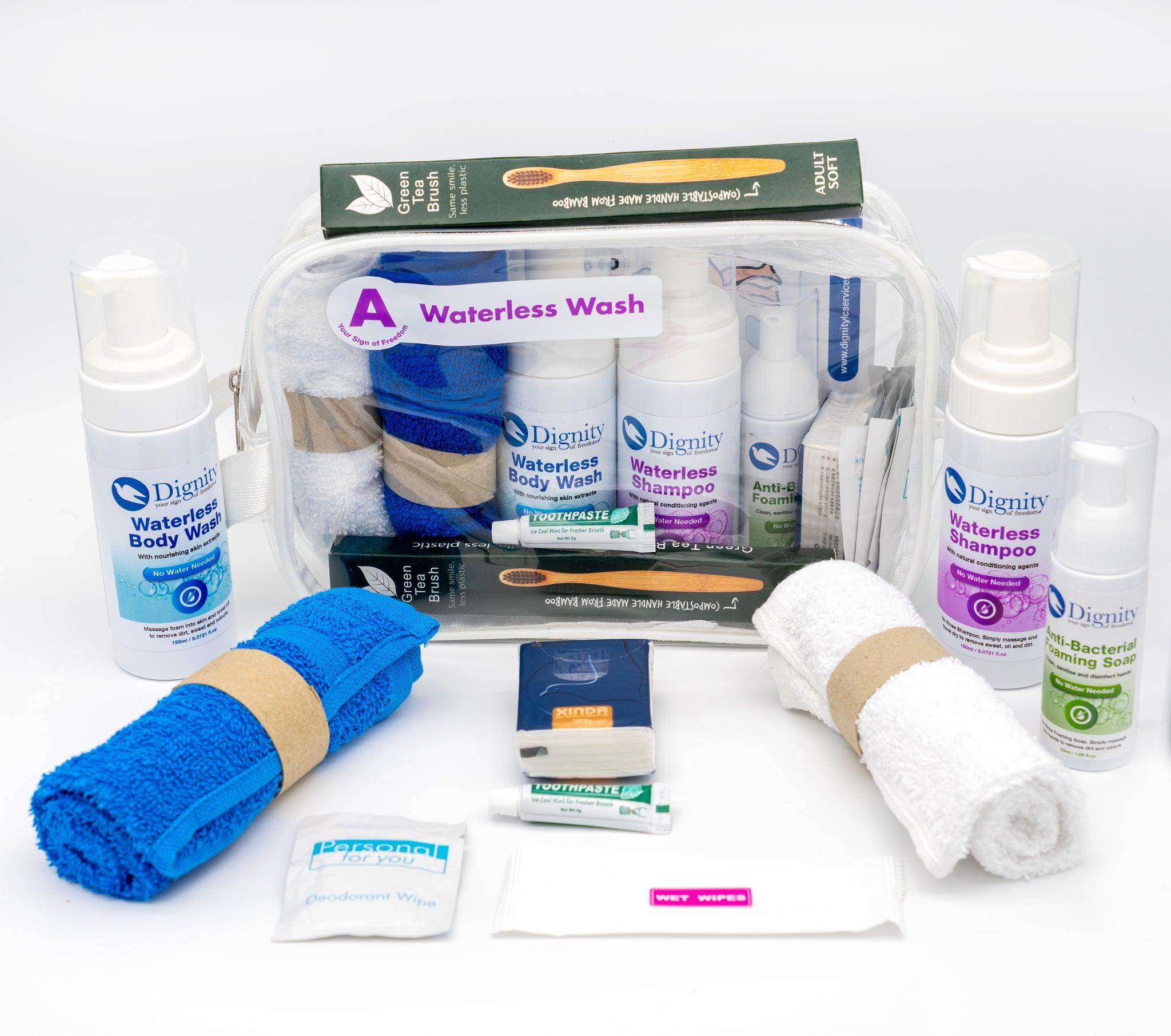
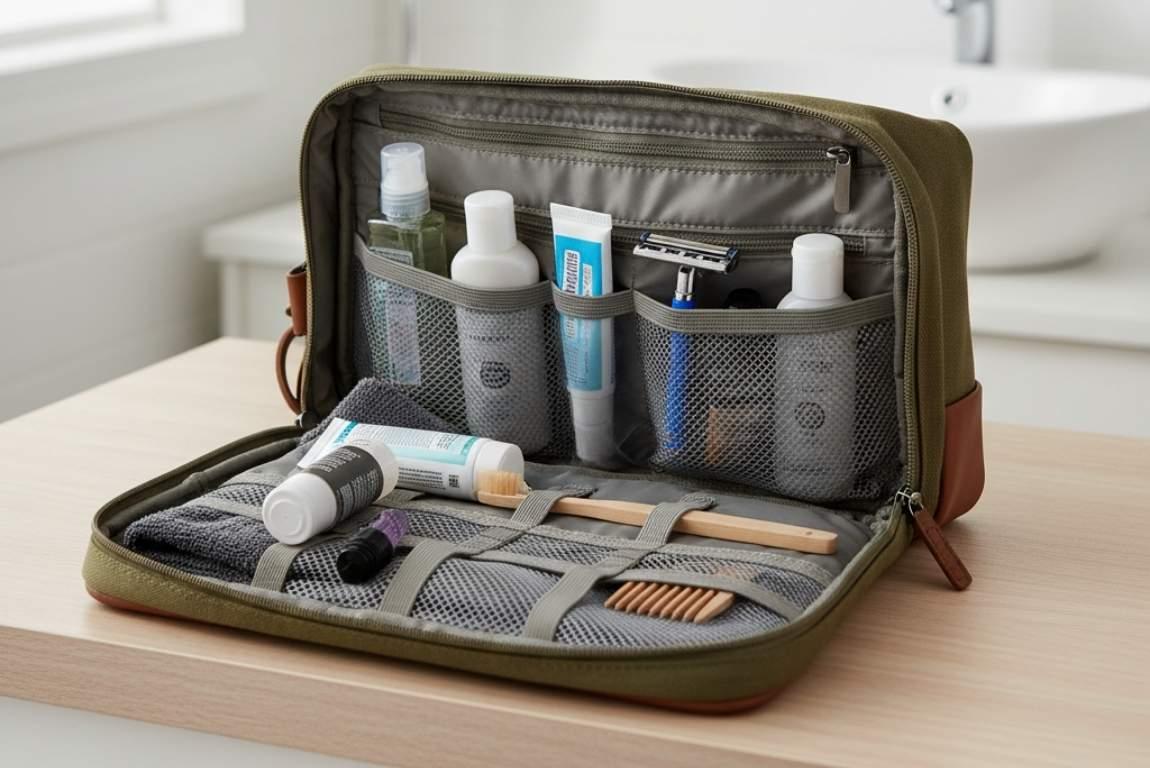
A compact hygiene kit can save you from having to search for basic items after arrival.


Consider:
-
Toothbrush and toothpaste
-
Deodorant
-
Soap
-
Shampoo
-
Hand sanitizer
-
Tissues
-
Wet wipes
-
Basic first-aid supplies
-
Personal hygiene products
-
Prescription medications
WHO advises travelers to carry sufficient medical supplies for the duration of their trip, including possible delays. (World Health Organization)
🥾 13. Pack According to Your African Adventure
This is where your packing list becomes much more specific.
🦁 Safari
Consider:
-
Neutral-colored clothing
-
Binoculars
-
Camera
-
Hat
-
Sunglasses
-
Insect repellent
-
Comfortable shoes
-
Light jacket
-
Reusable water bottle
🏖️ Beach Vacation
Consider:
-
Swimwear
-
Sandals
-
Sunscreen
-
Lightweight clothing
-
Beach bag
-
Sunglasses
-
Quick-dry towel
🏙️ City Exploration
Consider:
-
Comfortable walking shoes
-
Daypack
-
Smartphone
-
Portable charger
-
Appropriate clothing
-
Secure travel wallet
🏔️ Hiking & Adventure
Consider:
-
Hiking shoes
-
Breathable layers
-
Weather protection
-
Headlamp
-
First-aid supplies
-
Water bottle
-
Navigation tools


🍽️ 14. Be Smart About Food & Water
Trying local food is one of the best parts of traveling.
But travelers should still use common-sense food and water precautions.
The CDC recommends eating food that is thoroughly cooked and served hot and taking appropriate precautions with drinking water in destinations where food- and waterborne illness is a concern. (CDC)
A simple travel rule:
Explore the food. Be cautious about the water.
And don't let fear stop you from experiencing local cuisine. Just research your destination and use good judgment.
🚗 15. Think About Transportation Before You Arrive
Transportation varies dramatically throughout Africa.
You could find yourself using:
-
Trains
-
Domestic flights
-
Buses
-
Taxis
-
Ride-hailing services
-
Ferries
-
Rental cars
-
Safari vehicles
-
Private drivers


The CDC recommends travelers pay particular attention to road safety, use seat belts and exercise caution with unfamiliar or rural roads. (CDC)
Before your trip, research how you'll get from:
Airport → Hotel → Attractions → Day Trips → Airport
That simple plan can prevent a lot of unnecessary stress.
🗺️ 16. Don't Try to See All of Africa in One Trip
This might be the most important planning tip on the entire list.
Africa is enormous.
Instead of trying to visit five or six countries during one short vacation, consider concentrating on one region.
For example:
East Africa
Kenya • Tanzania • Uganda • Rwanda
Southern Africa
South Africa • Namibia • Botswana • Zimbabwe • Zambia
North Africa
Morocco • Egypt • Tunisia
West Africa
Ghana • Senegal • Gambia • Côte d'Ivoire
Indian Ocean
Mauritius • Seychelles • Madagascar • Zanzibar


Choose an itinerary that gives you enough time to actually experience the destinations rather than spending your entire vacation moving between airports.
🎒 The Ultimate Africa Packing Checklist
Here's a quick checklist you can save before your trip:
📄 Documents
☐ Passport
☐ Visa/entry authorization if required
☐ Flight information
☐ Hotel reservations
☐ Travel insurance information
☐ Important medical documents
☐ Copies of important documents
👕 Clothing
☐ T-shirts
☐ Long-sleeve shirts
☐ Lightweight trousers
☐ Shorts
☐ Jacket/sweater
☐ Underwear
☐ Socks
☐ Comfortable shoes
☐ Sandals
☐ Hat
🦟 Health & Protection
☐ Insect repellent
☐ Sunscreen
☐ Prescription medication
☐ Basic first-aid supplies
☐ Hand sanitizer
☐ Personal toiletries
🔌 Electronics
☐ Phone
☐ Charger
☐ Power bank
☐ Travel adapter
☐ Camera
☐ Extra batteries
☐ Memory cards
☐ Headphones
🧳 Travel Accessories
☐ Daypack
☐ Packing cubes
☐ Reusable water bottle
☐ Travel lock
☐ Laundry bag
☐ Waterproof bag
☐ Sunglasses
☐ Travel wallet
🌍 Final Vibes: Pack Smart, Travel Curious
Traveling through Africa can mean waking up to a safari sunrise, exploring a colorful market, relaxing beside an ocean, walking through an ancient city or discovering a culture you've never experienced before.
The key is not simply packing more—it's packing smarter.
Research your specific destination, understand the climate and activities, prepare your travel documents, check current health and entry requirements, and leave a little room in your suitcase for the unexpected.
Most importantly, remember that Africa isn't a single destination. Every country and region offers its own landscapes, cultures, climates, transportation systems and travel experiences.
So choose your destination first—and let your packing list follow the adventure. 🌍✈️


Health-information note for the published article: Because vaccination, yellow-fever entry rules, malaria recommendations and other travel-health requirements can change and vary by country, readers should check current official guidance for their exact itinerary before traveling. WHO specifically notes that country requirements can change. (World Health Organization)
Tags :
what to pack for Africa Africa travel tips African safari packing list Africa vacation essentials travel essentials for Africa Africa holiday packing list Africa travel guide Africa packing list Africa travel packing guide first trip to Africa Africa tourism guide African safari essentials Africa vacation packing tips travel to Africa Africa adventure travelAdvertisement