


 Tyventure
Brazil Jiu-Jitsu in Brazil: A Traveler’s Guide to Training in Rio de Janeiro
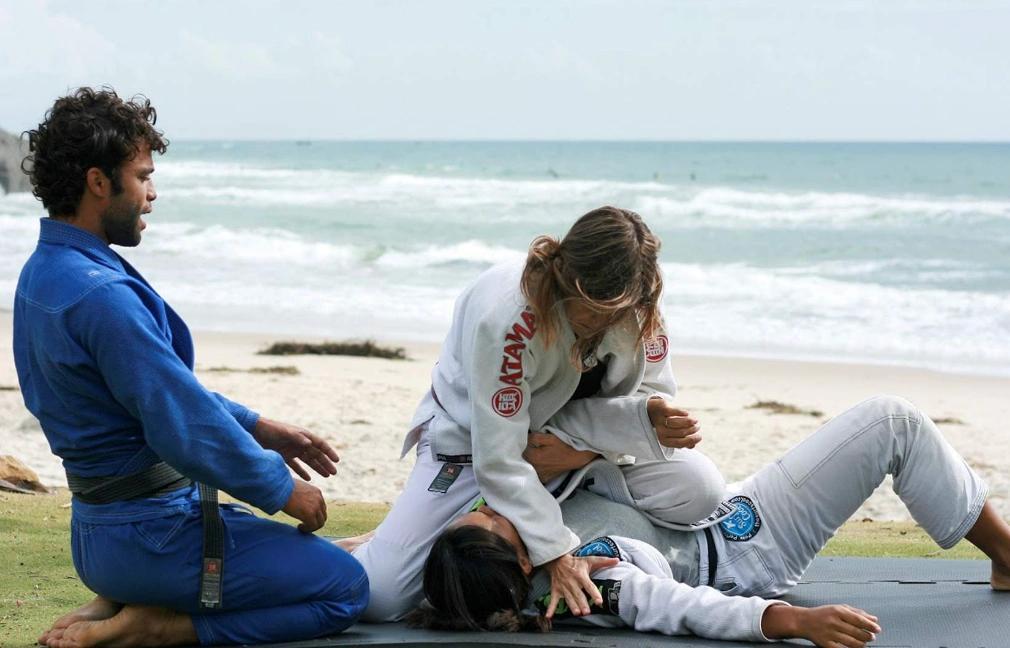
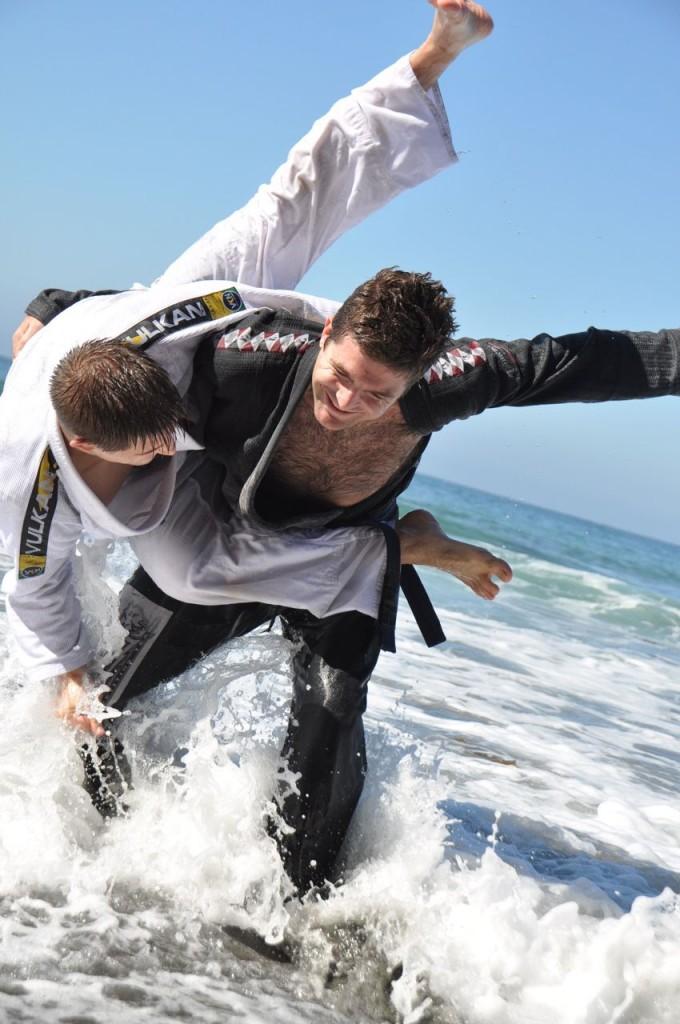
For martial artists, few travel experiences are as appealing as putting on a gi and stepping onto the mats in Rio de Janeiro, Brazil.
🥋 Train Brazilian Jiu-Jitsu Where It Became a Global Phenomenon
For martial artists, few travel experiences are as appealing as putting on a gi and stepping onto the mats in Rio de Janeiro, Brazil.
Rio isn't simply a spectacular beach destination. It has deep historical connections to the development and international growth of Brazilian Jiu-Jitsu (BJJ). The Gracie Barra organization, for example, traces its founding to Barra da Tijuca in Rio de Janeiro in 1986, while the city's Copacabana neighborhood has played an important role in the history of several major Jiu-Jitsu lineages. (Gracie Barra)
That makes Rio an intriguing destination for travelers who want to combine martial arts training, Brazilian culture, beaches, food and sightseeing in one trip.
Here's how to plan your own BJJ adventure.


🇧🇷 Why Train BJJ in Rio de Janeiro?
Rio offers something that is difficult to reproduce elsewhere: the opportunity to train while surrounded by the culture and history that helped make Brazilian Jiu-Jitsu internationally famous.
You can spend the morning drilling takedowns and guard passes, grab an açaí bowl afterward, explore Ipanema in the afternoon, and watch the sunset over the Atlantic.
The city's official tourism portal highlights attractions including Copacabana, Ipanema, Arpoador, Christ the Redeemer, Sugarloaf Mountain, the Botanical Garden and Maracanã. (Turismo RJ)
For a martial-arts traveler, that creates a pretty fantastic combination:
Train → Eat → Explore → Recover → Train again.
🥋 A Brief Look at BJJ's Rio Connection
Brazilian Jiu-Jitsu developed through multiple Brazilian martial-arts lineages rather than from one single academy.
Rio became particularly important in that history.
Gracie Barra's historical account describes significant activity involving the Gracie family, Rolls Gracie and Carlos Gracie Jr. in Rio, including schools and training in Copacabana. (Gracie Barra)
Gracie Barra itself says the organization was founded in Barra da Tijuca in 1986. (Gracie Barra)
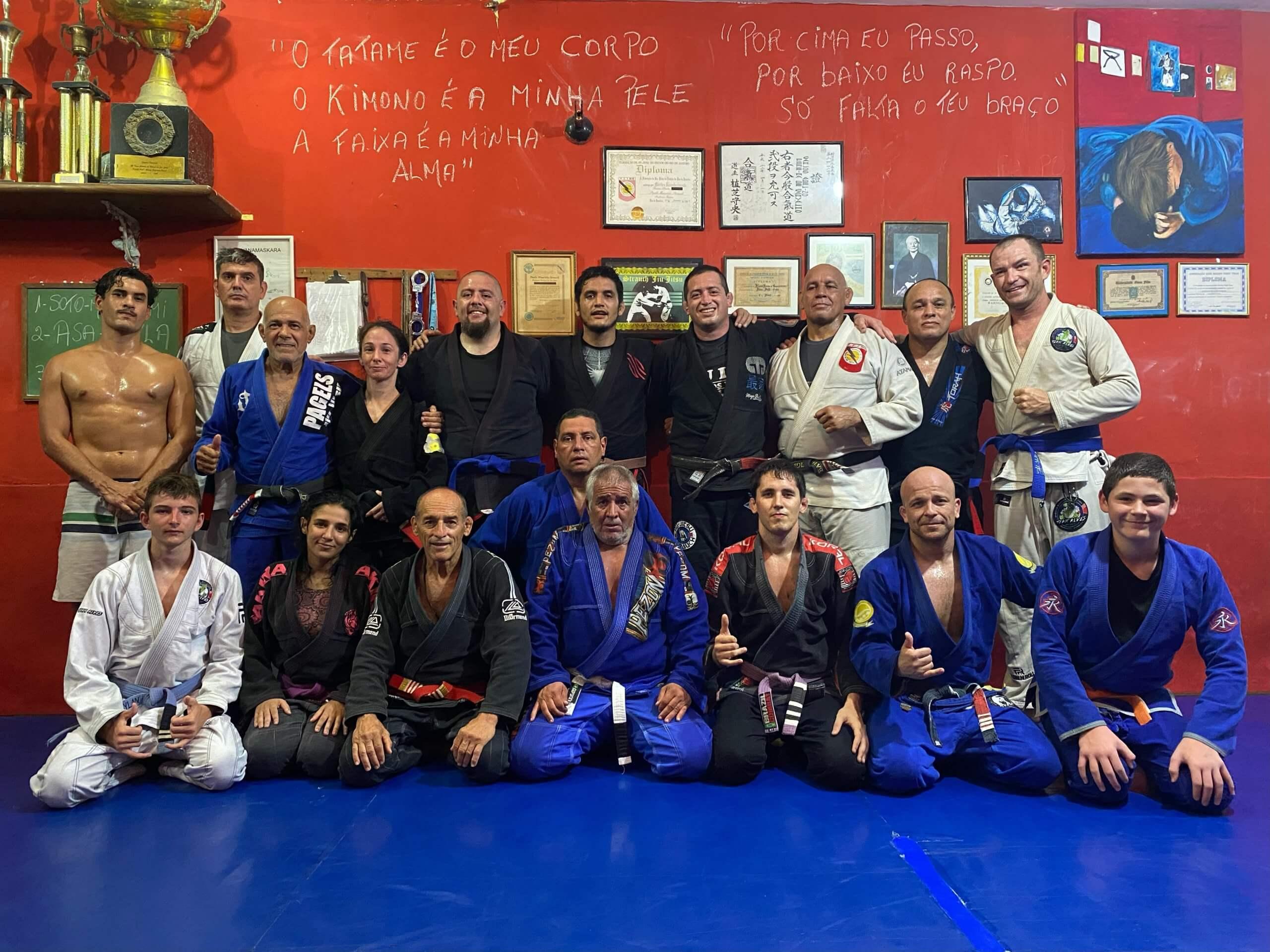
For travelers, that history is part of the attraction. You're not simply visiting a gym—you can experience a martial art in one of the places where its Brazilian training culture developed.
📍 Where Can Travelers Train BJJ in Rio?
Rio has a large number of Jiu-Jitsu academies spread throughout different neighborhoods. That means where you stay can make a big difference to your training experience.
Instead of choosing an academy solely because of its name, consider:
-
Distance from your accommodation
-
Class schedule
-
Gi vs. No-Gi classes
-
Beginner vs. advanced sessions
-
Drop-in policies
-
Whether foreigners are welcome
-
Language used during instruction
-
Required uniform
-
Whether you need to contact the academy before arriving
Here are some examples of academies currently listed in Rio.
Gracie Barra Copacabana
Gracie Barra Copacabana Address: R. Barata Ribeiro, 655 - 2 Piso - Copacabana, Rio de Janeiro - RJ, 22051-002, Brazil Phone: +5521969591537
Located in Copacabana, this academy gives travelers the opportunity to train in one of Rio's most recognizable neighborhoods.
Gracie Barra's broader Brazilian program offers structured classes for different experience levels, including foundational and advanced programs. (Gracie Barra - North America)
Gracie Barra Botafogo
Gracie Barra Botafogo Web Address: Rua da Passagem, n. 172 - 2º Andar - Botafogo, Rio de Janeiro - RJ, 22290-031, Brazil Phone: +5521979595699
Botafogo is another practical area to consider if your accommodation is around the southern part of the city.
Ares BJJ Brasil
Ares BJJ Brasil Web Address: R. Silva Castro - Copacabana, Rio de Janeiro - RJ, 22031-030, Brazil Phone: +12098183687
This academy is located in Copacabana, making it another option for travelers staying around the beach districts.
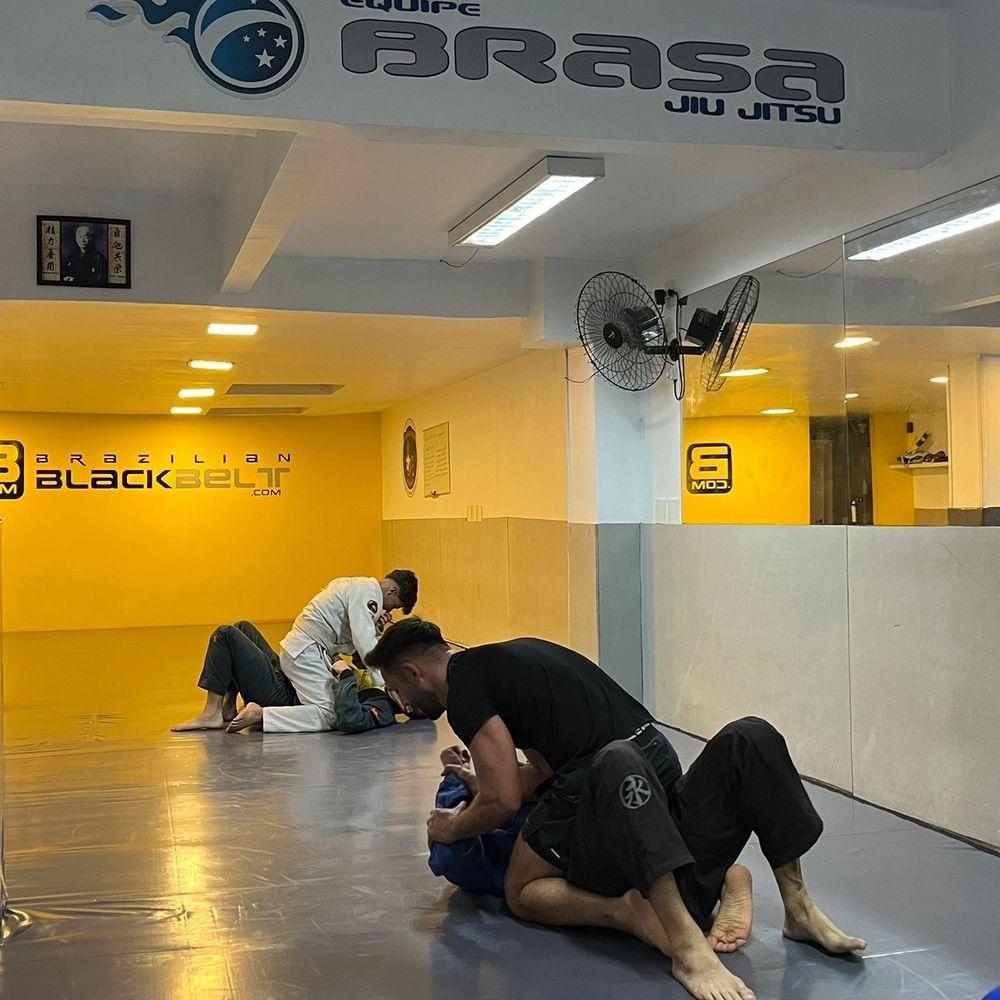
Brazilian Black Belt
Brazilian Black Belt Web Address: R. Visc. de Pirajá, 151/201 - Ipanema, Rio de Janeiro - RJ, 22410-003, Brazil Phone: +5521994044567
Located in Ipanema, this gives visitors another option in one of Rio's best-known beach neighborhoods.
Rio Dojō | Mauro Ayres Jiu-Jitsu | Carlson Gracie Ipanema
Rio Dojō | Mauro Ayres Jiu-Jitsu | Carlson Gracie Ipanema Web Address: R. Visc. de Pirajá, 318 - Sl 205A - Ipanema, Rio de Janeiro - RJ, 22410-000, Brazil Phone: +5521999910391
Located in Ipanema, this is another academy travelers can investigate when planning a training-focused visit.
Important: Class schedules, visitor policies and prices can change. Contact the academy before attending rather than assuming a current online listing guarantees a drop-in.
🗺️ Which Rio Neighborhood Should You Stay In?


Copacabana
Good for: First-time visitors, beach access and convenient sightseeing.
Copacabana is one of Rio's most recognizable neighborhoods and has several BJJ academies nearby.
It's an interesting base for travelers who want to combine training with classic Rio sightseeing.
Ipanema
Good for: Beach lifestyle, restaurants and training options.
Ipanema puts you close to the beach, Lagoa and neighboring Copacabana while also having multiple martial-arts schools nearby.
Botafogo
Good for: Travelers wanting access to southern Rio while being closer to Sugarloaf Mountain.
Botafogo offers another useful base for combining sightseeing and martial arts.
Barra da Tijuca
Good for: Travelers specifically interested in the history and larger training environment associated with modern BJJ organizations.
Gracie Barra traces its origins to Barra da Tijuca, where it was founded in 1986. (Gracie Barra)
💰 How Much Does It Cost to Train BJJ in Rio?
One thing travelers should not assume is that every academy has the same drop-in price.
Pricing can vary according to:
-
Academy
-
Number of classes
-
Private vs. group instruction
-
Training camp packages
-
Length of stay
-
Gi rental
-
Special seminars
-
Competition preparation
-
Accommodation packages
Some academies advertise introductory or trial classes, while others may require you to contact them directly.
For example, Gracie Barra's Brazilian site currently advertises free introductory classes through its network, while individual Rio academies may have their own visitor policies. (Gracie Barra)
💡 Traveler tip
Before flying to Brazil, send the academy a message:
"Hello, I'm visiting Rio de Janeiro and would like to train BJJ while I'm there. Do you accept visiting students for drop-in classes?"
Ask about the price, schedule, gi requirements and payment method before arriving.
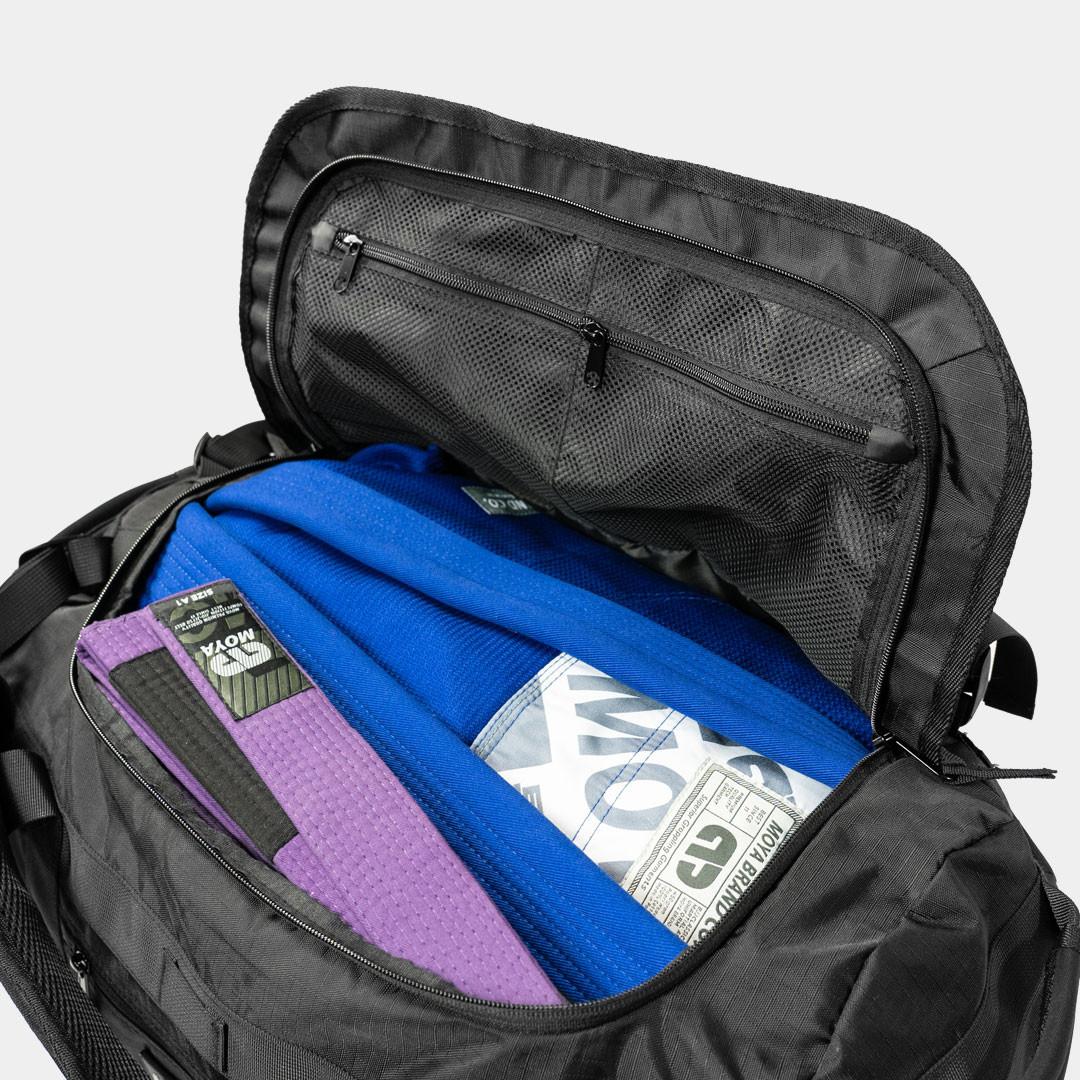
🎒 What Should You Pack for a BJJ Trip to Brazil?


A martial-arts vacation requires slightly different packing than an ordinary beach holiday.
Essential BJJ gear
-
🥋 Gi
-
🩳 No-Gi shorts
-
Rash guards
-
BJJ belt
-
Mouthguard
-
Athletic underwear
-
Flip-flops
-
Microfiber towel
-
Laundry detergent
-
Small first-aid kit
-
Reusable water bottle
If you're training frequently, consider bringing two gis so you aren't forced to wash and dry the same one every day.
Don't forget normal travel gear
You'll also want:
-
Passport
-
Travel insurance documents
-
Phone
-
Charging equipment
-
Universal adapter
-
Sunscreen
-
Comfortable walking shoes
-
Lightweight clothing
-
Small day bag
🧼 BJJ Hygiene Is Serious Business
This deserves its own section.
Brazilian Jiu-Jitsu involves extremely close physical contact, so hygiene isn't optional.
Always:
-
Shower after training
-
Wash your gi after every training session
-
Keep fingernails and toenails trimmed
-
Wear clean rash guards
-
Cover cuts and abrasions appropriately
-
Keep sandals on when walking around communal gym areas
-
Avoid training when you have a potentially contagious skin condition
-
Keep your training equipment clean
The goal is simple:
Leave the mat cleaner than you found it.
🤝 BJJ Etiquette for Foreign Travelers
Brazilian Jiu-Jitsu academies can have different cultures and rules, but several principles are nearly universal.
1. Introduce yourself
Don't just walk onto the mat.
Introduce yourself to the instructor and explain that you're visiting.
2. Respect the instructor
Pay attention during demonstrations and follow the academy's rules.
3. Don't treat every roll like the UFC
You're visiting to train—not prove that you're the toughest person in Rio.
Control your intensity.
4. Tap early
If you're caught in a submission, tap.
There is nothing embarrassing about tapping during training.
5. Be a good training partner
Especially if you're visiting from another country, your attitude will often matter more than your belt.
Be respectful, communicate and help create a good training environment.
🇵🇹 Do You Need to Speak Portuguese?
No—but learning a few Portuguese expressions can make your trip more enjoyable.
Try learning:
| Portuguese | English |
|---|---|
| Olá | Hello |
| Bom dia | Good morning |
| Obrigado/Obrigada | Thank you |
| Por favor | Please |
| Desculpa | Sorry |
| Professor | Instructor |
| Treino | Training |
| Faixa | Belt |
| Tap | Tap |
| Oss | Common BJJ greeting/expression |
Don't worry about speaking perfect Portuguese.
A simple "Bom dia, professor" can go a long way toward showing respect.
🥊 Gi or No-Gi?


If you're a BJJ traveler, check the academy's schedule before packing.
Gi
Traditional Brazilian Jiu-Jitsu training uses the kimono, or gi.
Gi training gives you opportunities to work with grips, collar controls, sleeve controls and other techniques that aren't available in No-Gi.
No-Gi
No-Gi training generally uses rash guards and grappling shorts.
It's especially popular among athletes who also train submission grappling or MMA.
Some structured programs offer both styles. Gracie Barra's current program information, for example, describes advanced training that includes No-Gi sessions. (Gracie Barra - North America)
🏖️ What to Do Between Training Sessions
One of the best parts of a Rio BJJ trip is that you don't have to spend your entire vacation inside the academy.


Consider building recovery days around some of Rio's famous attractions.
Christ the Redeemer
One of Brazil's most recognizable landmarks.
Sugarloaf Mountain
Take in panoramic views over Rio's coastline and surrounding mountains.
Copacabana Beach
Perfect for a relaxed walk, although travelers should follow current local safety advice.
Ipanema
Enjoy the beach, restaurants, cafés and famous sunset views.
Botanical Garden
A calmer option when you want something less physically demanding after a hard training session.
Rio's official tourism portal lists these attractions among the city's major visitor experiences. (Turismo RJ)
🧘 Build a Recovery Day Into Your Trip
Here's something a lot of martial-arts travelers learn the hard way:
You don't need to train twice every day.
If you arrive in Rio and immediately train hard morning and night for seven consecutive days, your body may have other plans.
Instead, consider a schedule such as:
Day 1: Arrive + light sightseeing
Day 2: BJJ training
Day 3: BJJ + beach recovery
Day 4: Sightseeing/rest
Day 5: BJJ training
Day 6: BJJ + cultural activities
Day 7: Rest or light drilling
Adjust this according to your experience, fitness and recovery needs.
🚕 Getting Around Rio for Training
Your accommodation and academy combination matters.
Try to choose a gym that doesn't require an exhausting cross-city journey every day.
For transportation, use established transportation services and verify ride-hailing information before entering a vehicle. Brazil's federal tourism guidance recommends checking the vehicle, license plate and driver details against the ride-hailing app. (Serviços e Informações do Brasil)
Rio's tourism authorities also provide traveler-safety guidance covering transportation, personal belongings and emergencies. (Turismo RJ)
⚠️ Safety Tips for BJJ Travelers
Rio is a huge international city, so travelers should use normal big-city precautions and check current official advice before traveling.
The U.S. State Department's current Brazil advisory, updated August 6, 2026, recommends increased caution and specifically advises visitors to avoid displaying phones or cash openly, use secure pickup locations for rides, and avoid walking on beaches after dark. (Travel.state.gov)
Practical habits include:
-
Don't flash expensive jewelry.
-
Keep your phone discreet when walking.
-
Avoid carrying unnecessary valuables.
-
Use established transportation.
-
Be particularly cautious after dark.
-
Keep your passport secured when you don't need it.
-
Follow current advice from your accommodation and local authorities.
-
Don't wander into unfamiliar areas simply because they're close on a map.
The goal isn't to be paranoid—it's to be prepared.
🗓️ How Long Should You Stay?
For a dedicated BJJ traveler, one week can work, but a longer stay gives you more flexibility.
3–4 days
Good for a short training experience.
7 days
Enough time to combine several training sessions with sightseeing and recovery.
10–14 days
Allows you to settle into a training routine and explore more of Rio without rushing.
1 month+
Better suited to serious practitioners who want an extended training experience.
Before committing to a long stay, confirm your academy's membership/drop-in requirements and your Brazilian immigration requirements for your nationality.
🥋 Sample Rio BJJ Travel Itinerary


Day 1 — Arrival
Check into your accommodation and recover from your flight.
Day 2 — First Training Session
Visit your selected academy, meet the instructor and take a moderate class.
Day 3 — Explore Rio
Visit a major attraction and enjoy a relaxed evening.
Day 4 — BJJ + Beach
Morning training followed by recovery time around Copacabana or Ipanema.
Day 5 — Culture Day
Explore museums, neighborhoods, restaurants or other attractions.
Day 6 — Hard Training Day
Return to the academy for another serious session.
Day 7 — Recovery
Take a full rest day or enjoy a light walk.
🌎 Why BJJ Travel Is About More Than Training
A martial-arts trip can become much more than collecting training sessions.
You meet local practitioners.
You experience another country's training culture.
You hear different languages on the mats.
You learn how another academy approaches the same techniques you've practiced at home.
And then you walk outside into one of the world's most recognizable cities.
That's what makes a BJJ trip to Rio special.
You're not just traveling to Brazil to train Brazilian Jiu-Jitsu. You're traveling to experience the culture surrounding it.
🧳 Final Tips Before You Book Your BJJ Trip to Rio
Before getting on the plane, make a checklist:
✅ Research academies near your accommodation
✅ Contact the academy before your trip
✅ Confirm visitor/drop-in policies
✅ Ask about gi requirements
✅ Check current class schedules
✅ Learn basic Portuguese phrases
✅ Pack enough training clothes
✅ Arrange appropriate travel insurance
✅ Research current entry requirements
✅ Plan transportation between your hotel and academy
✅ Leave recovery days in your itinerary
✅ Check current safety guidance before departure
And perhaps most importantly:
Come with an open mind.
You're visiting a country with an enormous martial-arts legacy. Respect the academy, respect your training partners and enjoy the experience.
🥋 Ready to Train in Rio?
For BJJ practitioners, Rio de Janeiro can be an unforgettable combination of martial arts, history, beaches, food, culture and adventure.
Whether you're a complete beginner looking for your first Brazilian Jiu-Jitsu class or an experienced grappler looking to train with new partners, Rio offers plenty of opportunities to build a trip around the mats.
Just remember: research the academy, contact them beforehand, train intelligently, respect the culture—and leave some time to enjoy Rio outside the gym.
That's the VibesTravelling way. 🌎🥋
📸 Image ideas for this article
For your VibesTravelling.com post, I would use images around these sections:
-
Hero image: BJJ practitioner training in Rio with mountains/beach in the background.
-
BJJ history: Traditional gi training inside a Brazilian academy.
-
Where to train: Rio academy/mat training.
-
Neighborhoods: Copacabana, Ipanema and Botafogo.
-
Packing section: Gi, belt, rash guard and BJJ gear.
-
Sightseeing: Christ the Redeemer and Sugarloaf Mountain.
-
Beach/recovery: Ipanema or Copacabana.
-
Final image: BJJ practitioners training against a Rio backdrop.
Tags :
Brazil Jiu Jitsu Brazilian Jiu Jitsu Brazil BJJ Rio de Janeiro Rio de Janeiro travel BJJ training Brazil martial arts travel Jiu Jitsu travel Rio BJJ academies Brazilian martial arts BJJ training camp Brazil Copacabana Jiu Jitsu Ipanema Jiu Jitsu martial arts vacation things to do Rio de Janeiro Brazil travel guide adventure travel Brazil sports tourism Brazil BJJ vacation Jiu Jitsu camp VibesTravellingAdvertisement