

 Editor
🚆 Getting Around China: A Local Transportation Guide for Travelers
China is a huge country, and getting from one place to another can be an adventure in itself.
🚆 Getting Around China: A Local Transportation Guide for Travelers


Getting Around China: Trains, Metro, Buses, Taxis & More
China is a huge country, and getting from one place to another can be an adventure in itself. From futuristic high-speed trains connecting major cities to underground metro systems, local buses, taxis, bicycles and ferries, travelers have plenty of transportation options to choose from.
Whether you're visiting Beijing, Shanghai, Guangzhou, Shenzhen, Xi'an, Chengdu, Chongqing or exploring smaller cities, understanding how local transportation works can make your trip much easier.
Here's your practical guide to getting around China.
🚄 1. High-Speed Rail — The Best Way to Travel Between Major Cities
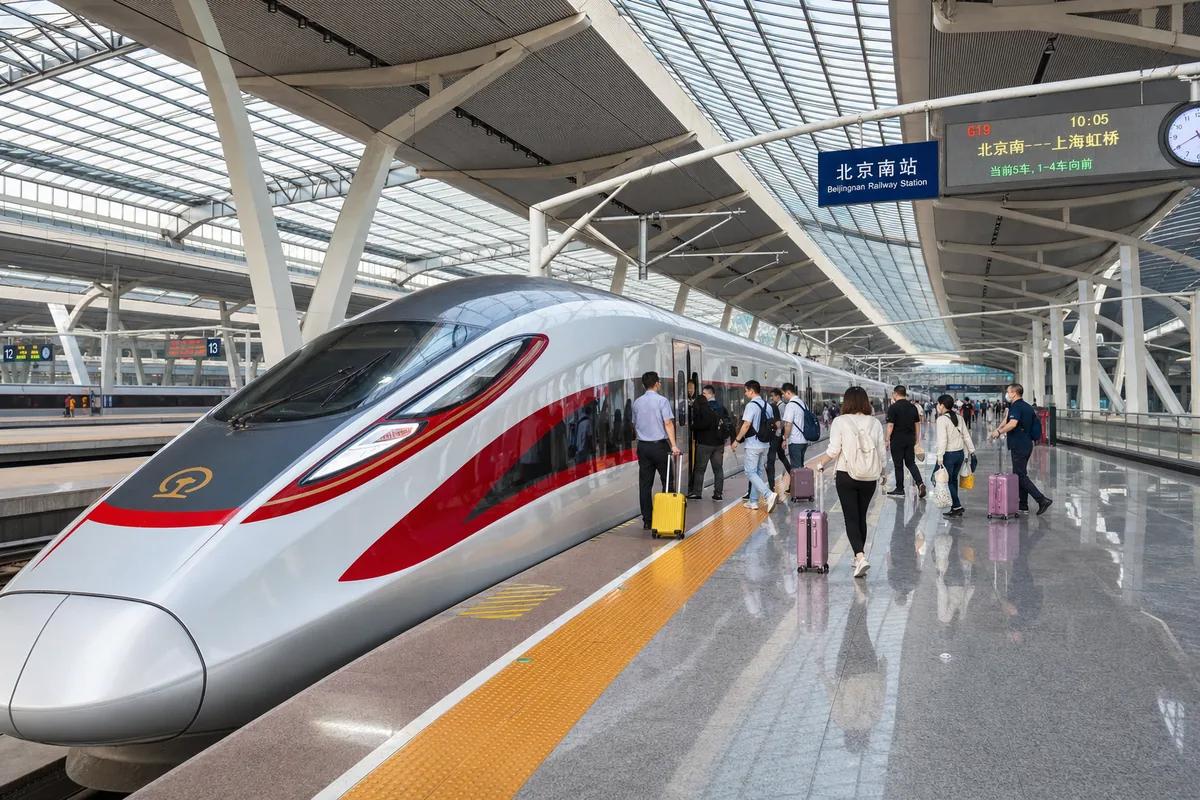
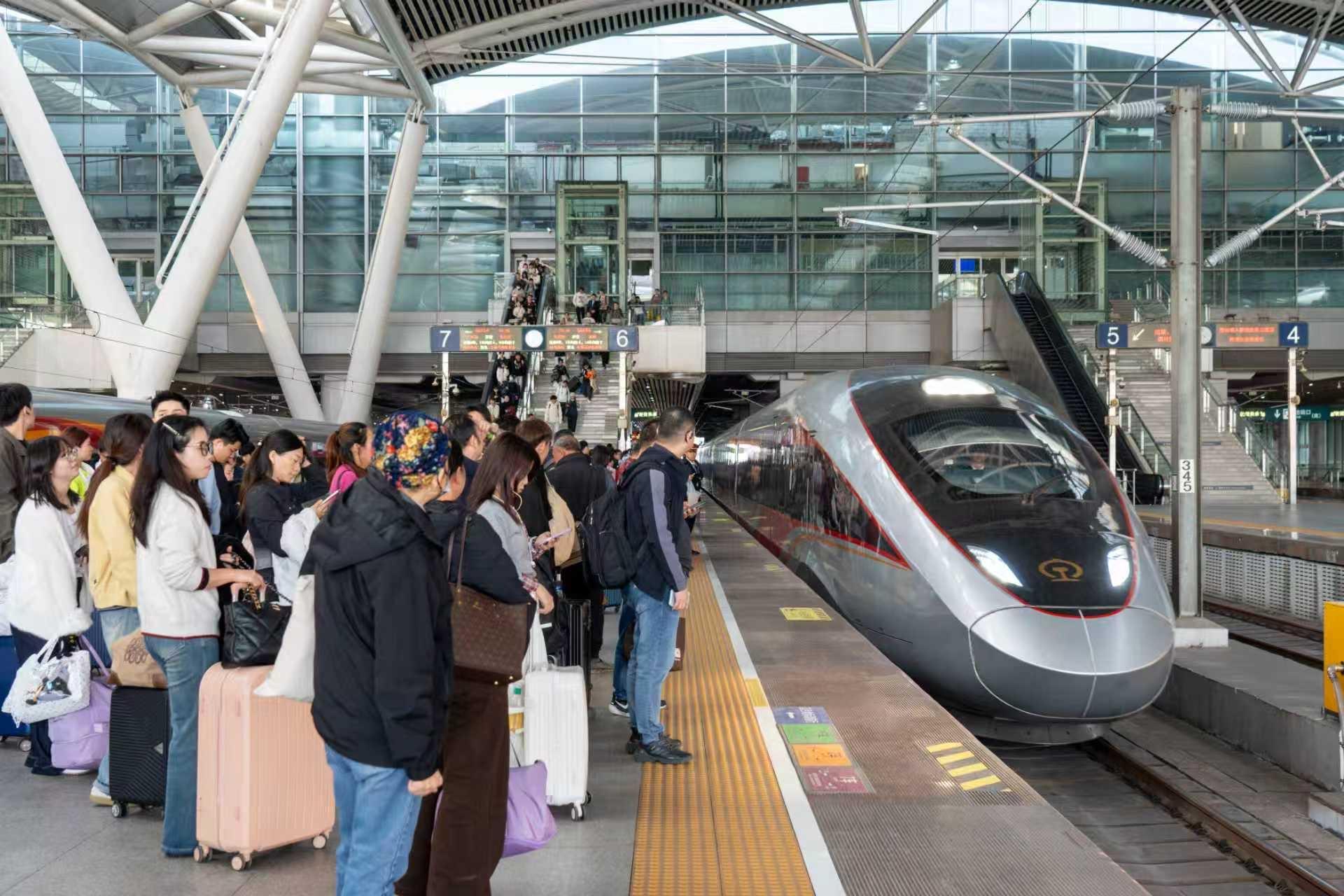
China's high-speed railway network is one of the country's most important forms of long-distance transportation.
High-speed trains connect major cities and many regional destinations, making rail travel a convenient option when you don't want to fly.
For example, travelers can use high-speed rail to connect cities such as:
-
Beijing
-
Shanghai
-
Xi'an
-
Guangzhou
-
Shenzhen
-
Chengdu
-
Hangzhou
-
Nanjing
-
Wuhan
-
Chongqing
China Railway's official 12306 system provides train schedules, ticket purchasing and travel information. Foreign travelers can purchase real-name railway tickets using valid passports, according to China Railway's official guidance. (China Railway Customer Service Center)


🎟️ Booking Your Train
The official railway website is 12306.cn, which has an English-language version.
China Railway 12306 English website
China Railway states that passengers should retain the identification document used when purchasing an electronic ticket and use the valid ID for station entry and boarding. (China Railway Customer Service Center)
Travel tip: Chinese railway stations can be enormous. Give yourself plenty of time to find your entrance, security checkpoint, departure hall and platform.
🚇 2. Metro Systems — Your Best Friend in China's Big Cities


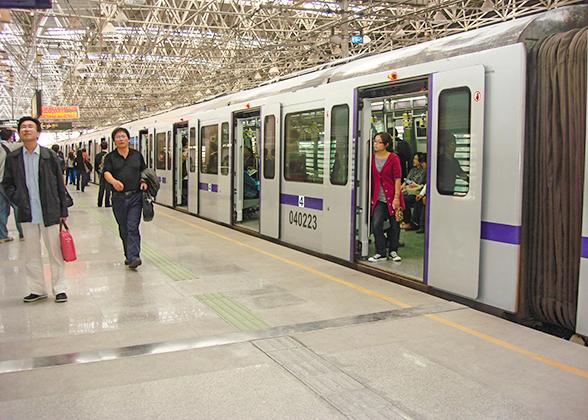
If you're staying inside a major city, the metro is often one of the easiest ways to get around.
Major cities including Beijing and Shanghai have extensive subway networks serving residential neighborhoods, shopping districts, tourist attractions, railway stations and airports.
🏙️ Beijing
The Beijing Subway is particularly useful for reaching major attractions and central areas.
You can use the subway to access places such as:
-
Tiananmen Square
-
Wangfujing
-
Beijing Railway Station
-
Beijing South Railway Station
-
Olympic Park
-
Sanlitun
🌆 Shanghai
Shanghai's metro system is another major part of everyday transportation.
It can be useful for reaching areas including:
-
The Bund
-
People's Square
-
Nanjing Road
-
Shanghai Hongqiao Railway Station
-
Shanghai Pudong International Airport
-
Lujiazui
Tip: Metro signs in major cities commonly include Chinese and English, making navigation easier for international visitors.
🚌 3. Local City Buses


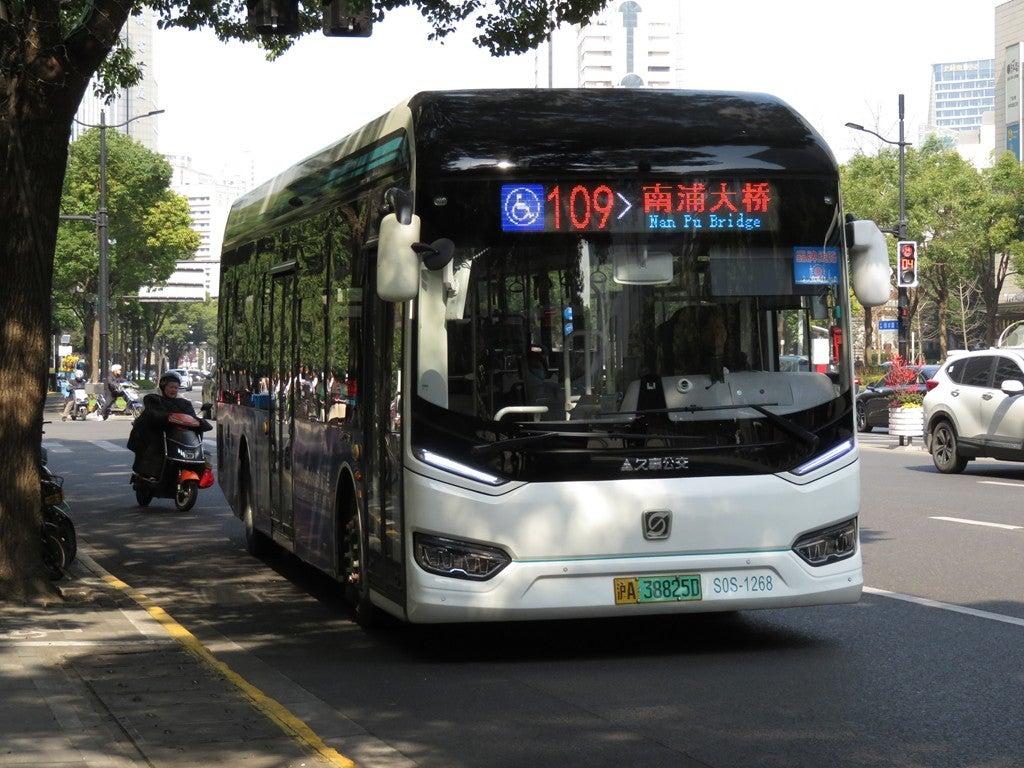
Buses are another important part of China's transportation network.
They're particularly useful when a metro station isn't close to your destination.
Local buses can take you through:
-
Residential neighborhoods
-
Shopping districts
-
Tourist areas
-
University areas
-
Suburban communities
-
Historic districts
For travelers, buses can also provide something the metro doesn't: a view of everyday city life.
Instead of traveling underground, you get to watch neighborhoods, shops, parks and streets pass by your window.
💡 Bus tip
Before boarding, check:
-
Your bus number.
-
Direction of travel.
-
Destination/stop.
-
Payment method.
-
Whether the bus accepts the transportation card or mobile payment method you're using.
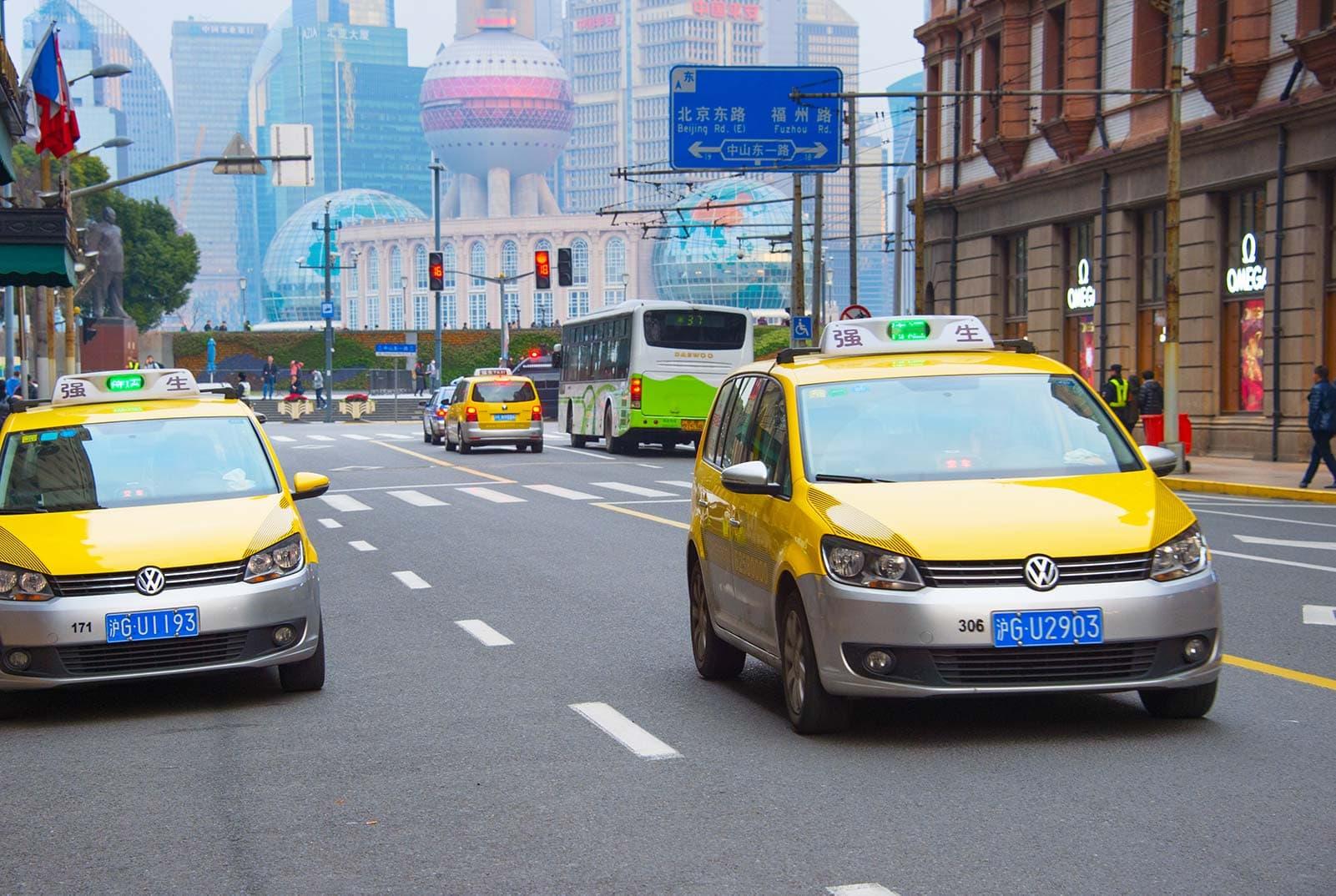
🚕 4. Taxis


Traditional taxis remain available in many Chinese cities.
They're particularly useful when:
-
You have heavy luggage.
-
You're traveling late.
-
Your destination isn't near a metro station.
-
You're traveling with several people.
-
You need door-to-door transportation.
However, communication can sometimes be challenging if you don't speak Mandarin.
📱 Have Your Destination Ready
A useful trick is to have your destination written in Chinese characters on your phone.
Instead of trying to pronounce a hotel or restaurant name, simply show the driver the Chinese address.
That little trick can save you from a whole lot of:
"Uh... this place... you know?"
😂
🚗 5. Ride-Hailing Services
Ride-hailing has become an important part of urban transportation in China.
Apps and digital payment services can make getting around cities easier, particularly when you're unfamiliar with the local taxi system.
Before your trip, check which ride-hailing and payment services are available to visitors and whether your phone number, payment method and account have been properly configured.
Important: Don't assume that an app that works normally in your home country will operate exactly the same way in China.
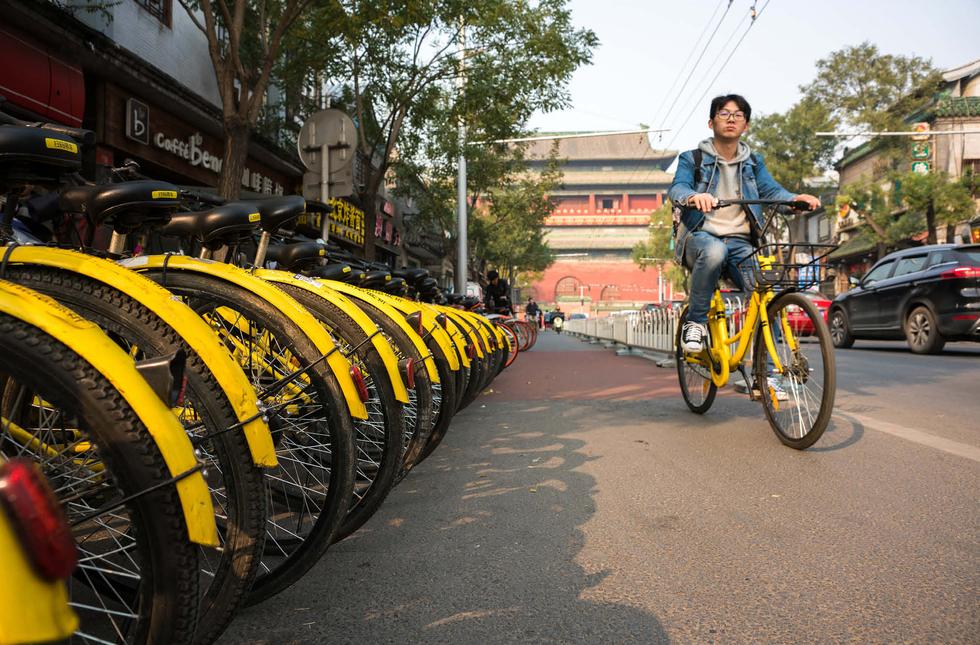
🚲 6. Shared Bicycles


You'll probably notice colorful bicycles scattered throughout Chinese cities.
Bike-sharing can be useful for short journeys, particularly when:
-
You're too far from a metro station.
-
You're exploring a neighborhood.
-
You want to cover a short distance quickly.
-
You want to experience the city at street level.
Cycling can also be a fun way to explore areas that aren't necessarily on the traditional tourist route.
Just remember: traffic conditions can vary considerably between cities and neighborhoods, so ride carefully and follow local traffic rules.
🚢 7. Ferries and Water Transportation


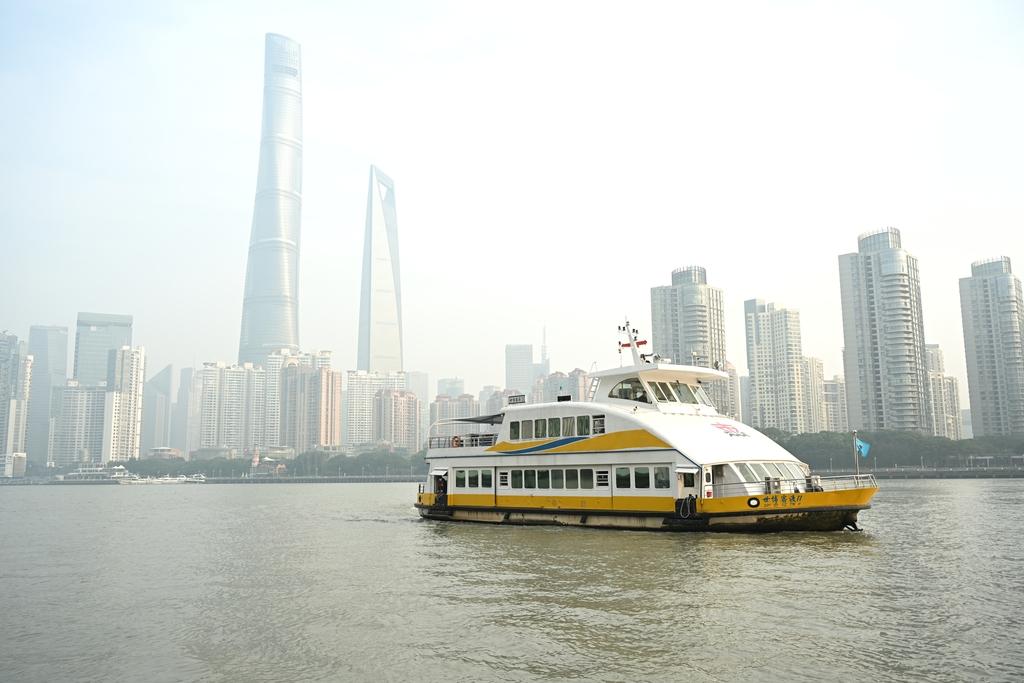
In cities with major rivers and waterways, ferries can provide another transportation option.
Shanghai is a particularly interesting example because ferries cross the Huangpu River, connecting areas around Puxi and Pudong.
For travelers, a ferry ride can serve two purposes:
Transportation + sightseeing.
Instead of simply taking a road or tunnel, you get views of the river and surrounding skyline along the way.
✈️ 8. Domestic Flights
China is simply too large to rely exclusively on trains.
For some longer journeys, flying may make more sense.
Major airports serve cities throughout the country, including:
-
Beijing
-
Shanghai
-
Guangzhou
-
Shenzhen
-
Chengdu
-
Chongqing
-
Xi'an
-
Kunming
-
Sanya
When deciding between a flight and train, consider the total journey time, not just the time in the air.
A high-speed train can take you directly from one city-center railway station to another, while flying involves getting to the airport, security procedures and airport transfers.
📱 Transportation Apps & Digital Payments
One of the biggest adjustments for international visitors can be China's highly digital transportation environment.
Before traveling, consider setting up the payment and navigation tools you'll need.
You'll want to have:
-
A working smartphone.
-
Mobile data or an appropriate travel SIM/eSIM arrangement.
-
Your hotel address saved.
-
Important destinations saved in Chinese characters.
-
Transportation/payment apps configured before leaving your hotel.
-
Offline copies of important travel information.
And don't forget your passport.
For China's railway system specifically, China Railway states that foreign passengers can use valid passports for real-name ticketing. (China Railway Customer Service Center)
🗺️ Which Transportation Should You Use?
| Transportation | Best For | Main Advantage |
|---|---|---|
| 🚄 High-speed rail | City-to-city travel | Fast and comfortable |
| 🚇 Metro | Large cities | Convenient urban travel |
| 🚌 Bus | Local neighborhoods | Extensive coverage |
| 🚕 Taxi | Door-to-door trips | Convenient |
| 🚗 Ride-hailing | Urban travel | App-based convenience |
| 🚲 Bicycle | Short distances | Flexible and fun |
| 🚢 Ferry | River crossings | Transportation + views |
| ✈️ Airplane | Very long distances | Covers huge distances |
🌏 Final Thoughts: Enjoy the Journey
One of the great things about traveling through China is that transportation can become part of the travel experience itself.
You could wake up in one city, board a high-speed train and watch the landscape change outside your window before arriving somewhere completely different.
Then, once you're in the city, the metro can take you underground, a bus can take you through local neighborhoods, a bicycle can get you down a quiet street, and a ferry can give you a completely different view of the skyline.
Don't just think about transportation as a way to get from Point A to Point B.
Sometimes, the journey is part of the destination.
✈️ VibesTraveling Tip
Plan your major transportation before your trip, but leave some room for exploration. China is enormous, and every city has its own rhythm, transportation culture and way of moving.
VibesTraveling — More than a destination, it's the vibes.
Useful Official Resource
For intercity railway travel, use the official China Railway 12306 website for schedules, tickets and railway information. (China Railway Customer Service Center)
Suggested blog categories: China Travel · Transportation · Travel Tips · Asia Travel · Getting Around · Travel Guides
Suggested SEO title: China Transportation Guide: How to Get Around China by Train, Metro, Bus & Taxi
Suggested meta description: Planning a trip to China? Discover how to get around China using high-speed trains, metro systems, buses, taxis, ride-hailing, bicycles, ferries and domestic flights.
Advertisement