

 Editor
🚆 Getting Around Spain: A Local Transportation Guide for Travelers
Spain is a country made for exploring. From the busy streets of Madrid and Barcelona to the historic neighborhoods of Seville and
🚆 Getting Around Spain: A Local Transportation Guide for Travelers


Spain is a country made for exploring. From the busy streets of Madrid and Barcelona to the historic neighborhoods of Seville and the Mediterranean coastline of Valencia, getting around can be surprisingly easy once you understand how the local transportation systems work.
Whether you're visiting Spain for the first time, planning a multi-city adventure, or simply trying to figure out how to get from the airport to your hotel, this guide will help you navigate Spain by metro, bus, train, tram, taxi, bicycle, and more.
VibesTraveling tip: Don't just think about transportation as a way to get from A to B. Sometimes the journey is part of the experience.
🇪🇸 Understanding Transportation in Spain
Spain has an extensive transportation network connecting its major cities and tourist destinations.
For longer journeys between cities, travelers can choose from:
-
🚄 High-speed trains
-
🚆 Regional and commuter trains
-
🚌 Long-distance buses
-
✈️ Domestic flights
-
🚗 Rental cars
-
⛴️ Ferries
Spain's official tourism service notes that high-speed trains connect major destinations such as Madrid, Barcelona, Seville and Valencia, with several major routes taking roughly three hours or less. (Spain Travel Guide)
Spain's official transportation information
For exploring individual cities, however, public transportation is often the easiest option.
🚇 Madrid Transportation Guide


Madrid has one of the most extensive urban transportation systems in Spain.
The city's network includes:
-
🚇 Metro
-
🚌 EMT city buses
-
🚆 Cercanías commuter trains
-
🚋 Light rail
-
🚕 Taxis
-
🚲 Bicycle services
🚇 Madrid Metro
The Metro is particularly useful for visitors because it connects central Madrid with many neighborhoods and the airport.
Madrid's tourism authority says the network currently has 12 metro lines, while Metro Line 8 provides a direct connection between the city and Adolfo Suárez Madrid-Barajas Airport. (Es Madrid)
For airport travelers, Line 8 connects the airport with the city, while Cercanías trains and airport buses provide additional options. (Spain Travel Guide)
🚌 Madrid Buses
EMT buses are useful when your destination isn't conveniently located near a Metro station. Madrid also operates nighttime bus services, making buses useful after the Metro's normal operating period. (Comunidad de Madrid)
🎟️ Tourist Transportation Pass
Madrid offers a tourist transportation pass with unlimited travel for selected periods and zones. The official transportation authority currently lists options for 1, 2, 3, 4, 5 or 7 consecutive days. (CRTM)
VibesTraveling tip: If you're staying centrally and planning several attractions each day, check the tourist pass before buying individual tickets.
Madrid public transportation information
🚇 Barcelona Transportation Guide


Barcelona is one of Spain's easiest cities to explore without a car.
The main options are:
-
🚇 Metro
-
🚌 City buses
-
🚋 Tram
-
🚆 Regional and commuter trains
-
🚠 Funiculars
-
🚡 Cable car
-
🚕 Taxi
-
🚲 Bicycle
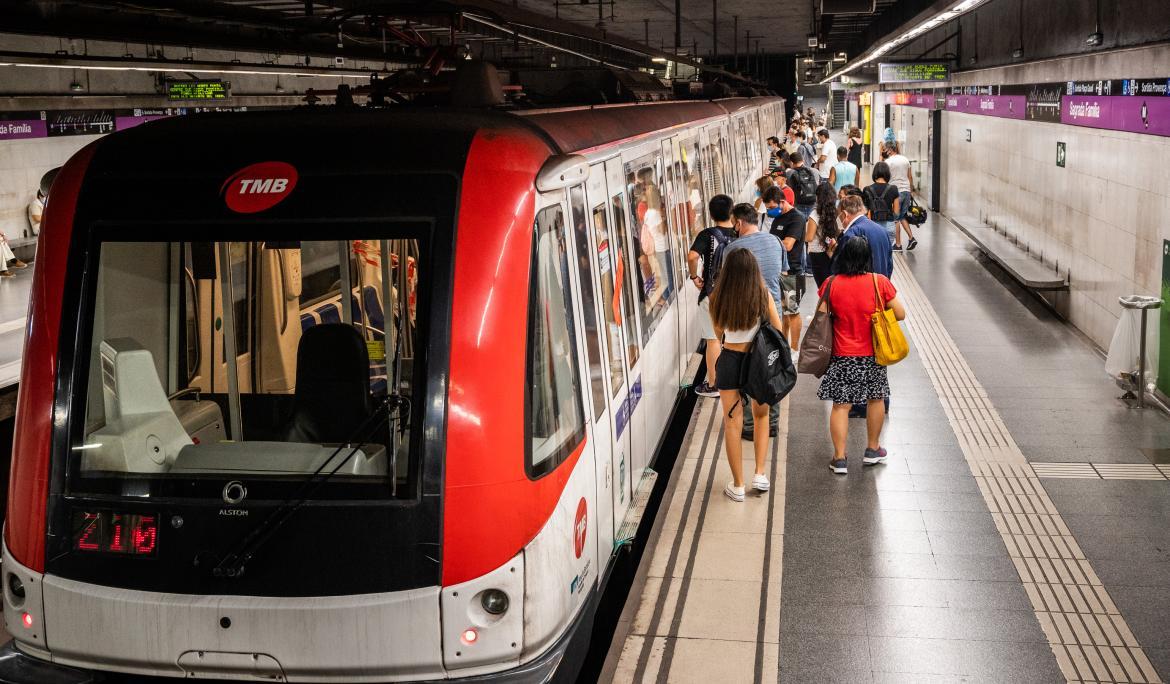
🚇 Barcelona Metro
The Metro is particularly convenient for reaching major tourist areas. TMB describes the Metro as one of the city's most popular transportation methods and says the network connects neighborhoods and major tourist attractions. (TMB)
Barcelona's Metro network includes eight lines and 165 stations, according to TMB. (TMB)
🚌 Barcelona Buses
Buses are another excellent option, particularly when you want to see the city while traveling rather than going underground.
The TMB network serves Barcelona and surrounding municipalities, while buses connect many tourist attractions and neighborhoods. (TMB)
🎟️ Hola Barcelona Travel Card
Visitors can purchase the Hola Barcelona Travel Card, which provides unlimited transportation for periods ranging from 24 to 120 hours. Depending on the ticket, it covers services including Metro, buses, tram, FGC, Rodalies and the Montjuïc funicular. (TMB)
The card can also include airport Metro journeys.
TMB Barcelona public transportation guide
🚌 Barcelona Bus Turístic
If you want sightseeing and transportation combined, Barcelona also has an official hop-on/hop-off tourist bus. It serves major attractions including Sagrada Família, Park Güell, La Rambla and Montjuïc. (TMB)
🚋 Seville Transportation Guide


Seville has a different rhythm from Madrid and Barcelona. The historic center is compact, and walking can be one of the nicest ways to experience the city.
For longer journeys, travelers can use:
-
🚌 TUSSAM buses
-
🚋 MetroCentro tram
-
🚇 Metro
-
🚕 Taxis
-
🚲 Bicycles
-
🛴 Personal mobility options
🚋 MetroCentro Tram
The MetroCentro tram is particularly useful for getting through central Seville.
You can combine transportation with sightseeing as you move through the historic center and around major landmarks.
🚌 TUSSAM
TUSSAM operates Seville's urban bus network. The city government provides current information on routes and services, including connections through areas such as Isla de la Cartuja. (Sevilla)
🚶 Walking in Seville
Here's the fun part: don't automatically take transportation everywhere.
Seville's historic areas are filled with narrow streets, plazas, cafés and architectural details that are easy to miss from a bus window.
For many central attractions, consider walking and using public transportation only when the distance becomes inconvenient.
Seville public transportation information
🚊 Valencia Transportation Guide


Valencia combines a relatively walkable city with a useful network of buses, Metro, trams and commuter trains.
The city's transportation options include:
-
🚌 EMT city buses
-
🚇 Metro
-
🚋 Tram
-
🚆 Renfe commuter trains
-
🚲 Bicycle
-
🚕 Taxi
València's tourism authority lists 60 city bus lines, Metro and tram services, metropolitan buses and six commuter-train lines serving the wider area. (Visit Valencia)
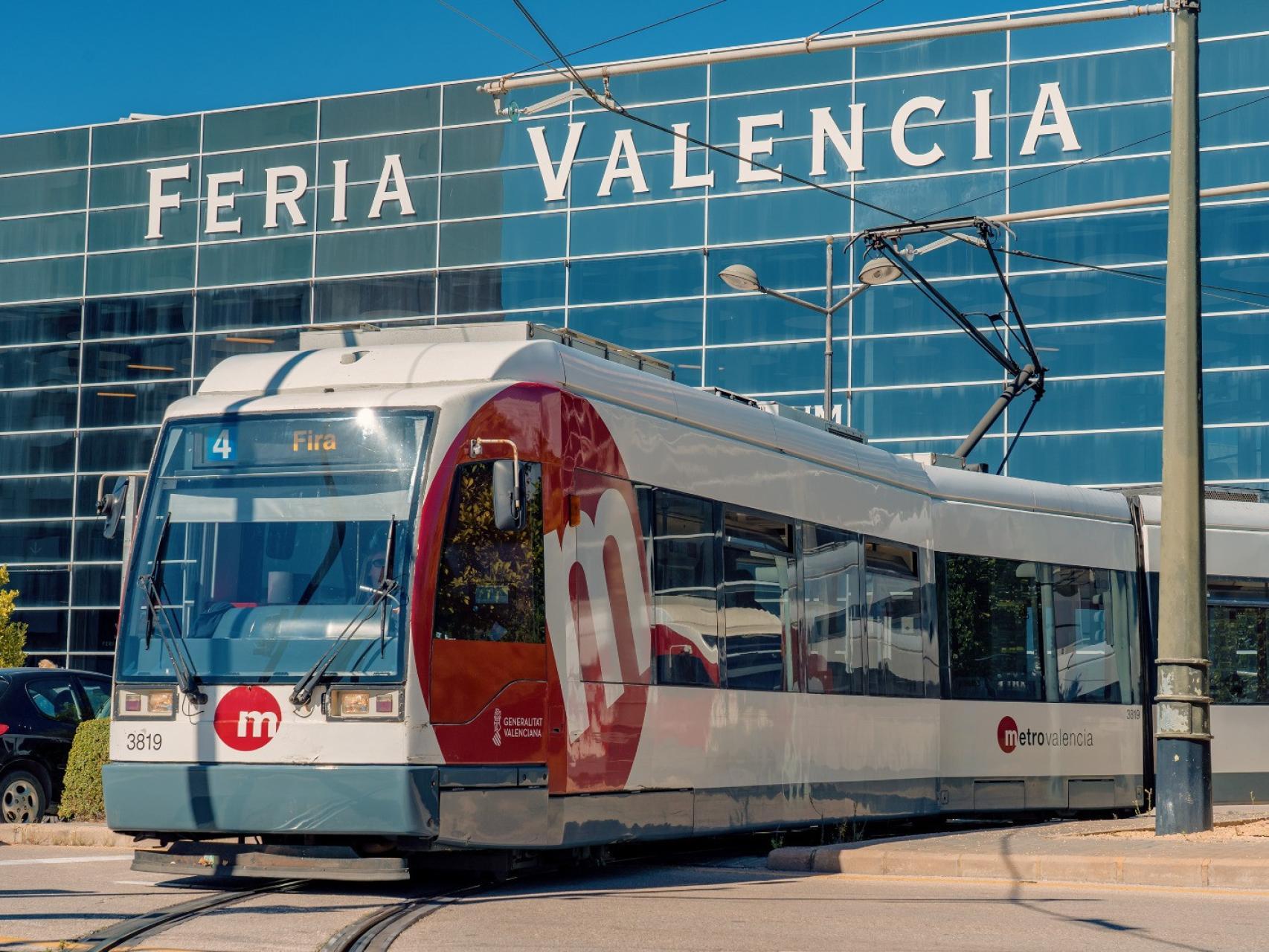
🚇 Metro & Tram
Metrovalencia is particularly useful for connecting the city with destinations such as the airport and coastal areas.
The airport is connected to the city by Metro Lines 3 and 5. (Visit Valencia)
🎟️ Valencia Tourist Card
The 24-, 48- and 72-hour Valencia Tourist Card provides unlimited transportation on participating city and metropolitan buses, Metro, tram and specified commuter trains. It also provides additional tourism benefits. (Visit Valencia)
Visit Valencia transportation guide
🚄 Traveling Between Spanish Cities


If you're visiting multiple cities, don't limit yourself to flying.
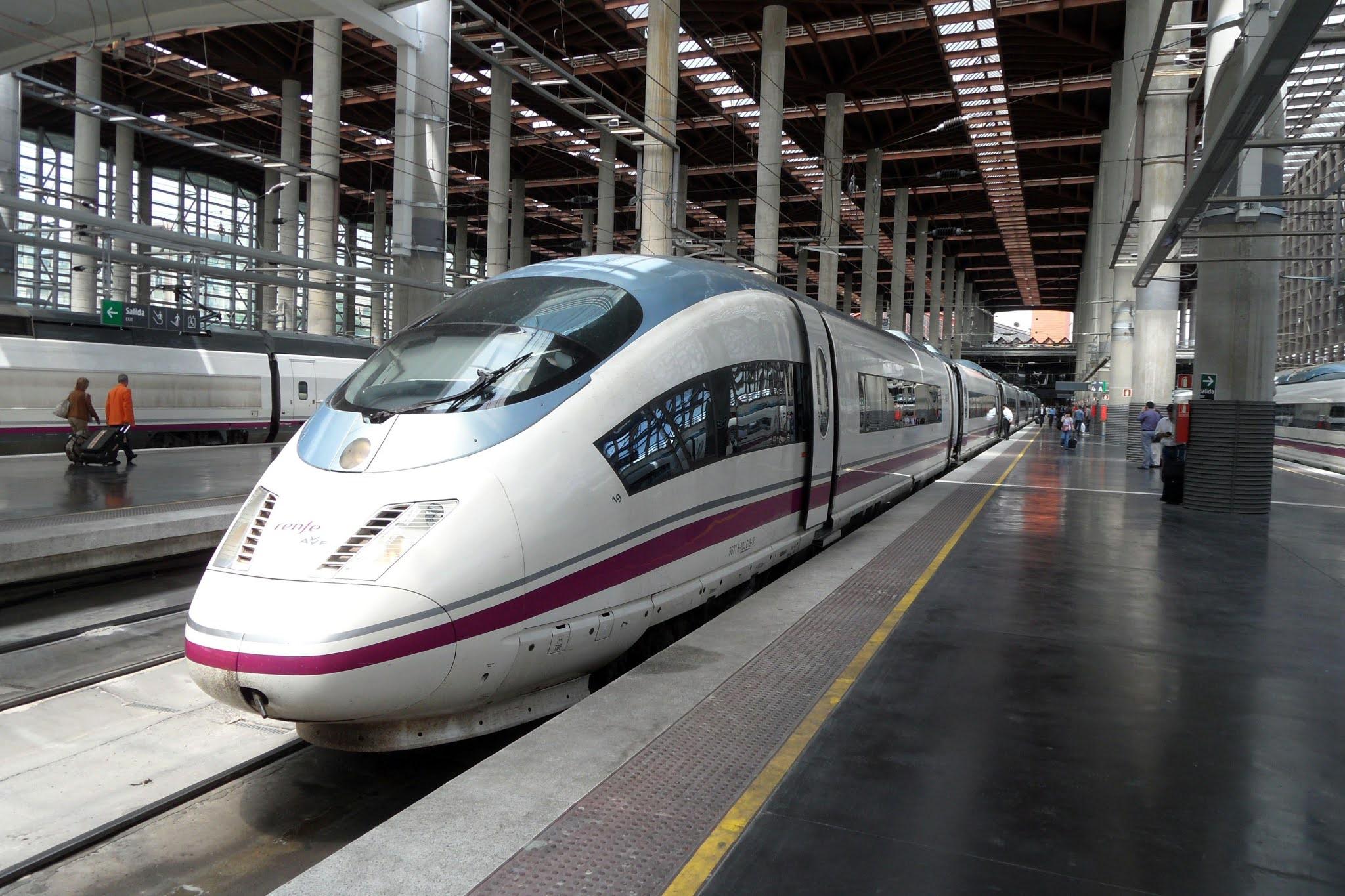
Spain's high-speed railway network makes train travel an important option for travelers.
The official tourism service highlights high-speed connections between Madrid and destinations including Barcelona, Seville and Valencia. (Spain Travel Guide)
🚄 Why Consider the Train?
Train travel can be convenient because major stations are generally located within or close to the cities you're visiting.
For example, Madrid's major stations include Atocha and Chamartín, both of which connect with local public transportation. (Spain Travel Guide)
For a multi-city trip, you could potentially build an itinerary such as:
Madrid → Valencia → Barcelona
or
Madrid → Seville → Málaga
without having to spend your vacation repeatedly traveling to and from airports.
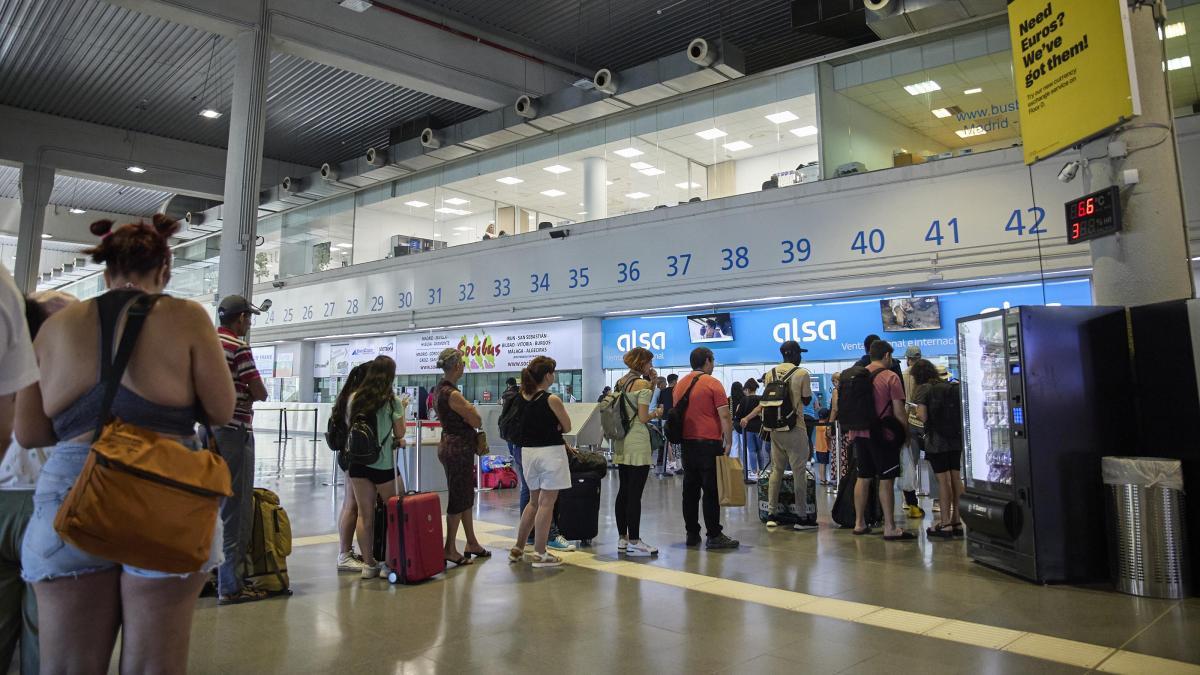
🚌 Don't Forget Long-Distance Buses


Long-distance buses can be another option for traveling between Spanish cities.
They can be particularly useful for routes where you don't have a convenient high-speed rail connection.
When comparing transportation, look beyond the ticket price. Consider:
-
Travel time
-
Station location
-
Departure frequency
-
Luggage
-
Connections
-
Arrival time
Sometimes a slightly more expensive train can save you considerable time.
🚕 Taxis and Ride Services
Taxis are widely available in Spain's major cities and can be useful when:
-
You're traveling with several pieces of luggage.
-
You're arriving late at night.
-
You're traveling with a group.
-
Your hotel is far from a train or Metro station.
-
You're visiting somewhere outside the main public transportation network.
For airport journeys, always check the official taxi rank or designated pickup area rather than accepting transportation offers from unofficial solicitors.
🚲 Exploring Spain by Bicycle


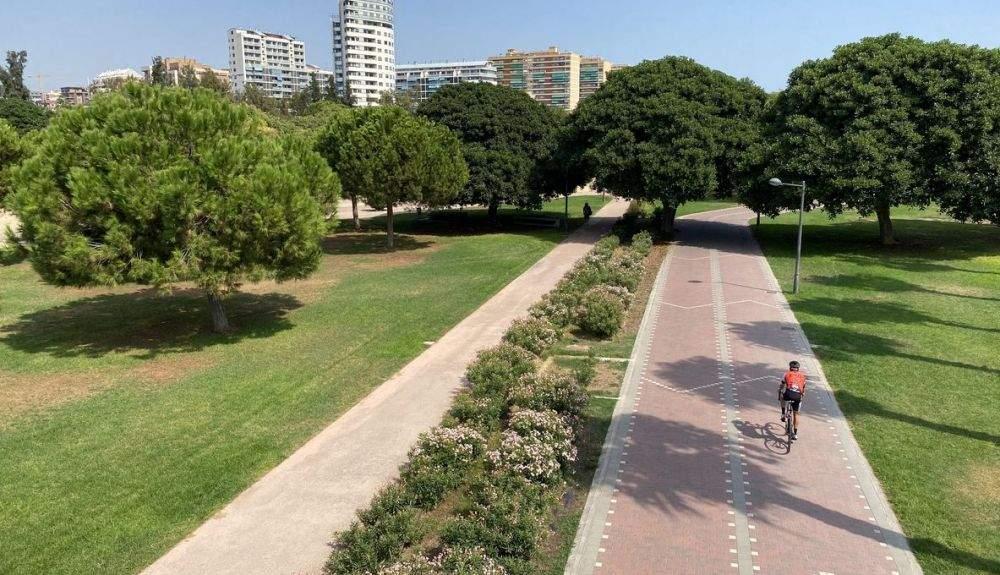
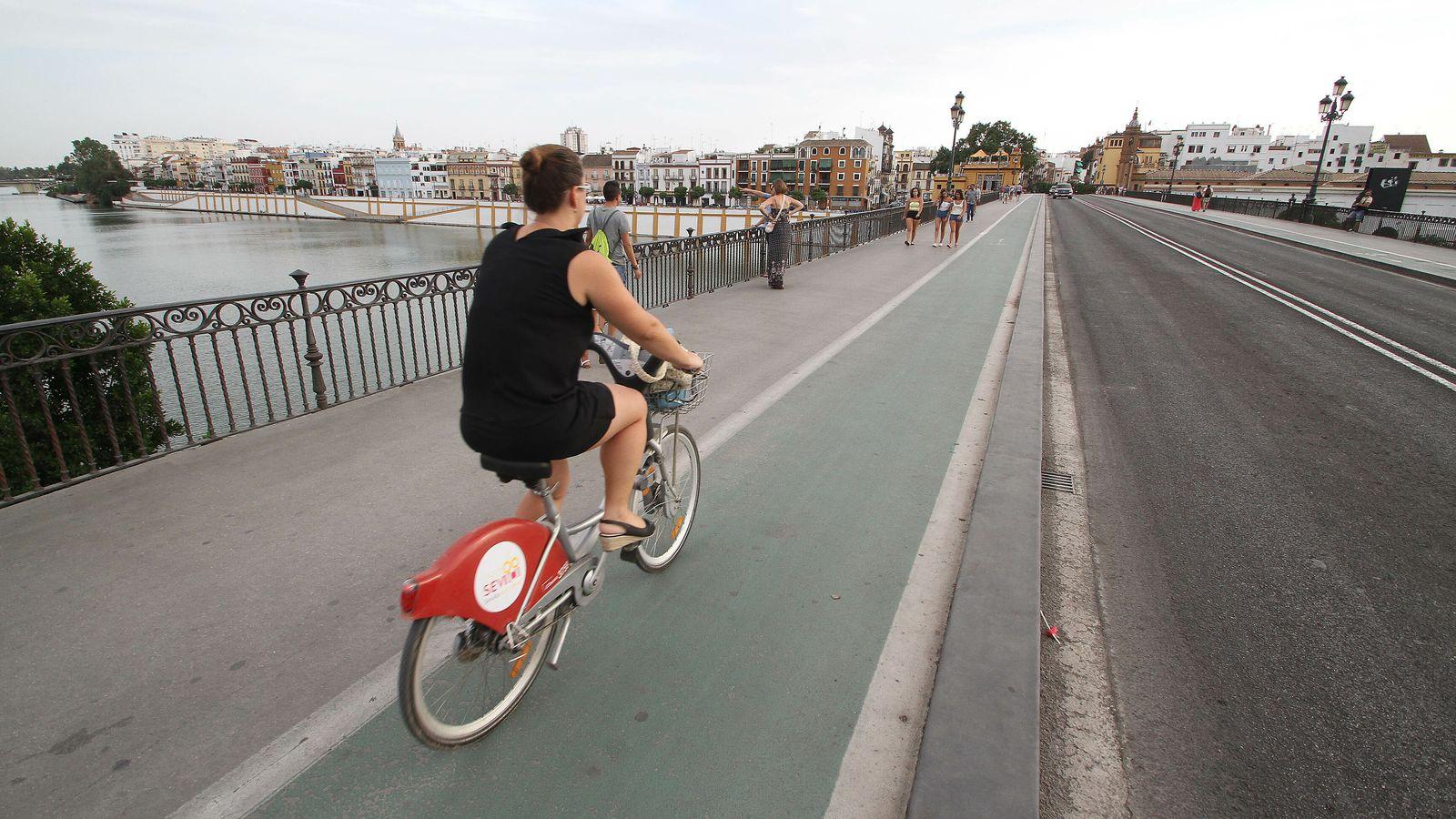
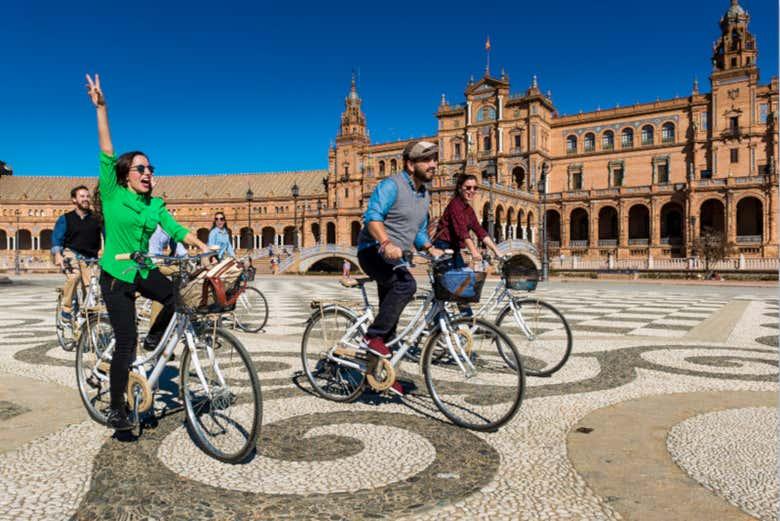
Cycling can be a fantastic way to explore cities such as Barcelona, Valencia and Seville.
Valencia's tourism authority specifically highlights walking and cycling as practical ways to explore the city, while public transportation can handle longer journeys. (Visit Valencia)
If you're renting a bicycle, remember to check:
-
Where bicycles can legally be ridden
-
Bike-lane availability
-
Parking requirements
-
Helmet rules
-
Local traffic regulations
And, of course, keep an eye on pedestrians.
✈️ Getting From Spanish Airports to the City


One of the first transportation decisions you'll make is getting from the airport to your accommodation.
Fortunately, Spain's major tourist cities offer multiple options.
Madrid
Madrid-Barajas Airport connects with the city by Metro Line 8, Cercanías trains and buses, with taxis also available. (Spain Travel Guide)
Barcelona
Barcelona-El Prat Airport is connected to the city's public transportation system, including Metro services, buses and rail connections. (TMB)
Valencia
Valencia Airport can be reached by Metro Lines 3 and 5, with the journey taking approximately 20 minutes according to Visit Valencia. (Visit Valencia)
💡 Spain Transportation Tips for First-Time Visitors
1. Download transportation apps
Before heading out, download the official transportation app for the city you're visiting where available.
2. Check your ticket before boarding
Transportation rules and ticket-validation requirements differ between cities and transport systems.
3. Keep your belongings secure
Busy stations and crowded tourist areas require the same basic precautions you'd use in any major destination.
4. Don't underestimate walking
Some Spanish cities are incredibly enjoyable on foot.
5. Look at tourist cards
If you're taking public transportation several times a day, calculate whether a tourist pass makes sense.
6. Book intercity trains ahead when possible
Popular high-speed routes can become busy, especially around holidays and major events.
7. Leave extra time for airports
Even when public transportation is fast, allow additional time for transfers, luggage and unexpected delays.
🗺️ Quick Transportation Cheat Sheet
| City | Metro/Train | Bus | Tram | Tourist Pass |
|---|---|---|---|---|
| Madrid | 🚇 Metro + Cercanías | 🚌 EMT | 🚋 Light Rail | Tourist Travel Pass |
| Barcelona | 🚇 Metro + rail | 🚌 TMB | 🚋 Tram | Hola Barcelona |
| Seville | 🚇 Metro | 🚌 TUSSAM | 🚋 MetroCentro | Check current options |
| Valencia | 🚇 Metro | 🚌 EMT/Metrobus | 🚋 Tram | Valencia Tourist Card |
🌍 Final Thoughts: Let the Journey Be Part of the Trip
Spain's transportation network gives travelers plenty of ways to experience the country.
You can descend into Madrid's Metro, watch Barcelona disappear behind you from a train window, ride a tram past historic architecture in Seville, or take Valencia's Metro toward the Mediterranean.
And sometimes, the best transportation option isn't the fastest one.
Walk a little. Take the scenic route. Ride the train. Get lost in a neighborhood. Stop for a café.
Because at VibesTraveling, the destination is only part of the story.
More than a destination, It's the vibes. ✈️🇪🇸
Transportation schedules, fares and operating conditions can change. Always check the relevant city's official transportation authority shortly before traveling.
Useful official resources:
Spain Tourism — Getting Around Spain
Madrid Regional Transport Consortium
TMB Barcelona
Visit Valencia — Getting Around
Advertisement