

 Tyventure
Japan Martial Arts Travel Guide: Where to Experience Karate, Judo, Kendo & More
Japan is more than neon-lit cities, ancient temples, bullet trains and incredible food. For travelers interested in martial arts
Japan Martial Arts Travel Guide: Where to Experience Karate, Judo, Kendo & More
Japan is more than neon-lit cities, ancient temples, bullet trains and incredible food. For travelers interested in martial arts, Japan offers something much deeper: the opportunity to experience budō, Japan's traditional martial ways, in the country where many of these disciplines developed.
From stepping onto a judo mat in Tokyo to experiencing Okinawan karate, watching kendo practitioners train, or discovering aikido in Shinjuku, a martial arts-focused trip can add an entirely different dimension to your Japanese adventure.
Japanese budō encompasses disciplines including judo, kendo, karate, aikido, kyudo, sumo, shorinji kempo, naginata and jukendo. The Japanese Budō Charter emphasizes training, discipline, courtesy and respect alongside technical development. (SITENAME)
So pack your gi, keep an open mind, and let's explore some of the places where martial arts travelers can experience Japan.
🥋 1. Tokyo — The Perfect Starting Point for Martial Arts Travelers


If you're visiting Japan for the first time and martial arts are high on your itinerary, Tokyo is an excellent place to begin.
The capital is home to major martial arts organizations, historic training facilities, competitions and dojos representing numerous Japanese disciplines.
One of the most recognizable martial arts landmarks is the Nippon Budokan in Kitanomaru Park. Built for the 1964 Tokyo Olympics, it has become an important venue for Japanese martial arts competitions and has hosted events involving judo, karate, kendo, aikido, kyudo and other disciplines. (Japan Travel)
The All Japan Kendo Federation also lists major national kendo events at the Nippon Budokan, including the All Japan Kendo Championship. (全日本剣道連盟 AJKF)
What you can experience
-
Martial arts competitions
-
Kendo events
-
Judo events
-
Karate events
-
Aikido-related activities
-
Martial arts history and culture
-
Traditional dojo environments
Travel tip: Check the official event calendar before your trip. Some competitions are open to spectators while others may have specific entrance or registration requirements.
Visit the Nippon Budokan official website
🥋 2. Judo in Tokyo — Visit the Kodokan


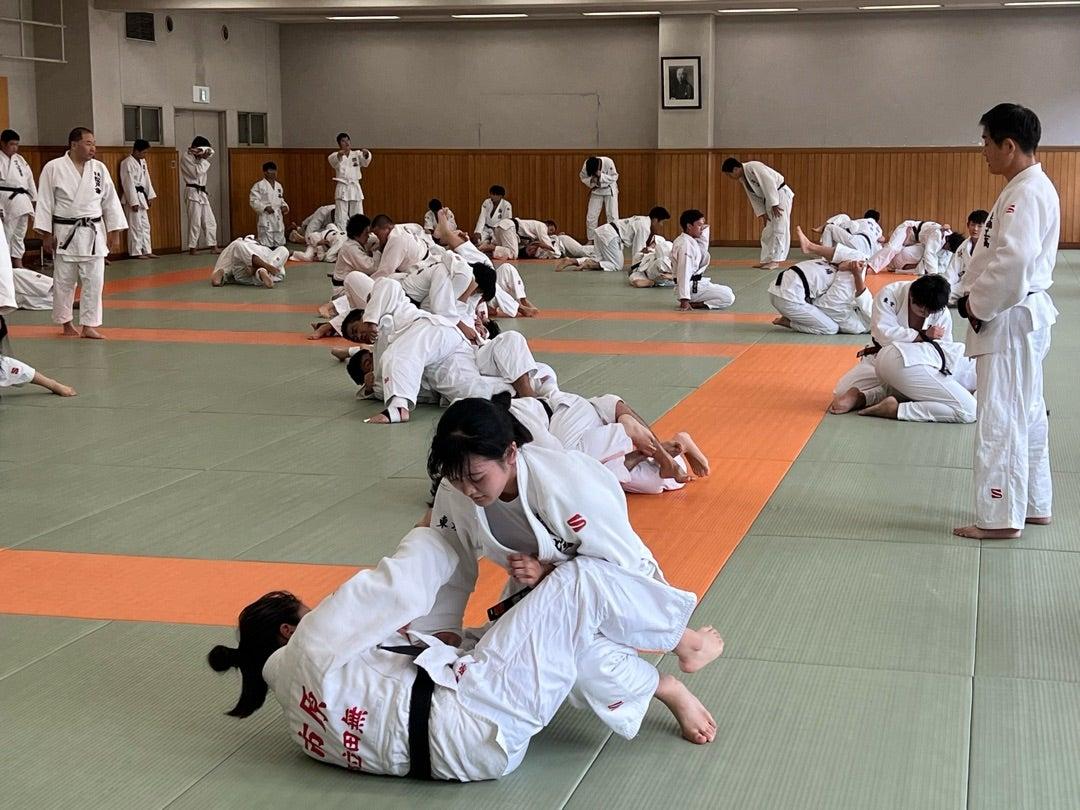
For judo practitioners, few places in Japan have the historical significance of the Kodokan Judo Institute in Tokyo.
Judo was founded by Jigoro Kano, and the Kodokan has been central to the development and teaching of Kodokan Judo since the 19th century.
What's particularly interesting for travelers is that the Kodokan isn't simply a place to photograph from the outside.
Experienced judoka visiting Japan can potentially participate in training after completing the required enrollment procedures. The Kodokan specifically states that people with judo experience can participate in practice, while visitors must complete the required enrollment process. (講道館)
As of 2026, Kodokan lists an ¥8,000 enrollment fee and a ¥1,100 daily dojo fee for general practitioners, although travelers should verify current fees before visiting. (講道館)
You don't have to train to appreciate the Kodokan
Even if you're not ready to step onto the mat, the Kodokan offers opportunities to observe training. Its official visitor information says that training in the main dojo can be viewed from the designated spectator area. (講道館)
Location: Bunkyo, Tokyo
Best for:
-
Experienced judoka
-
Judo students
-
Martial arts historians
-
Travelers interested in Japanese sports culture
-
Visitors wanting an authentic dojo experience
Important: Bring appropriate judo clothing if you plan to train, and check the current requirements before traveling.
🥋 3. Karate in Tokyo — Train at JKA Headquarters


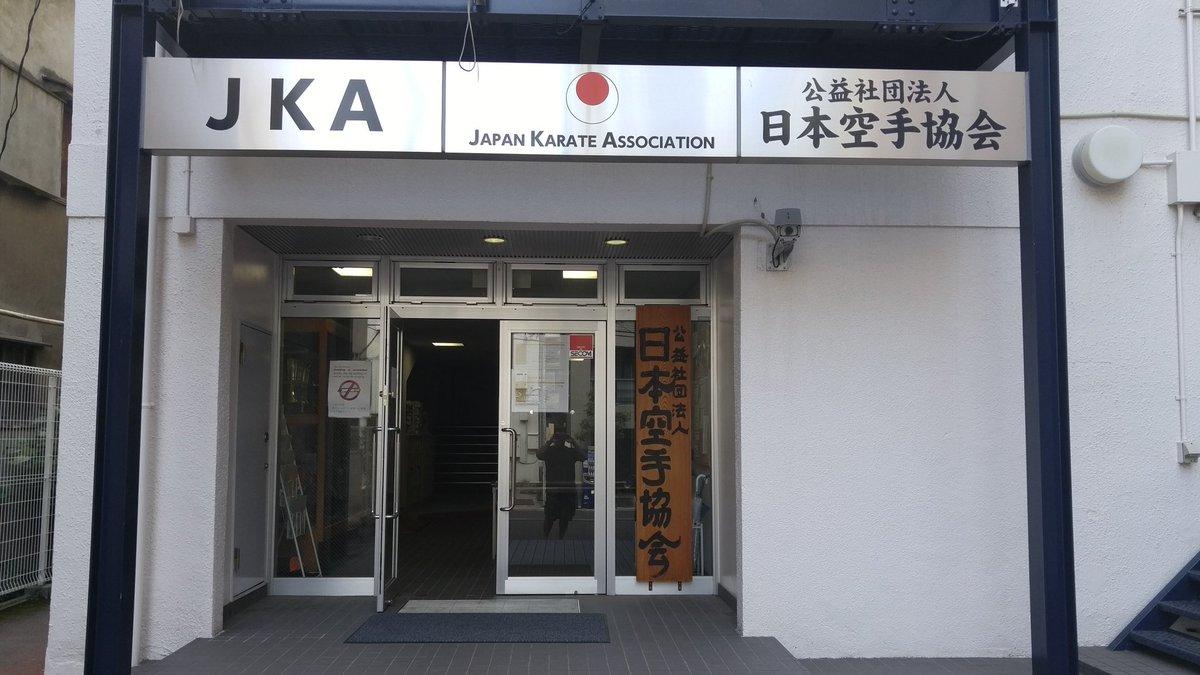
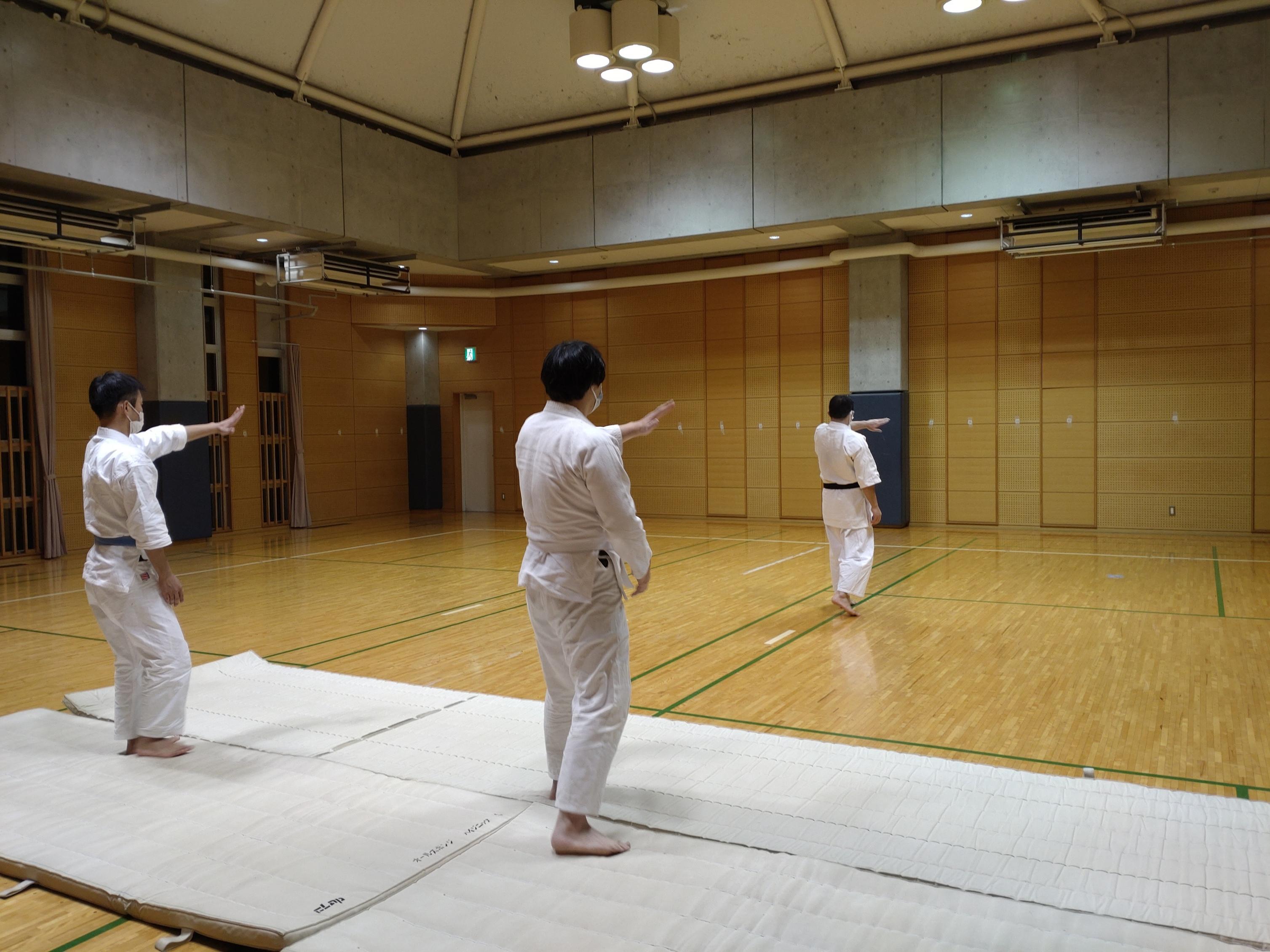
Tokyo isn't only about judo. Karate practitioners can also find opportunities to train at the Japan Karate Association (JKA) Headquarters Dojo.
The JKA describes its Tokyo headquarters as a place where karate practitioners from around the world come to train for periods ranging from several days to weeks. (JKA)
The JKA also publishes visitor information for non-JKA members. Its current published information lists visitor training at ¥3,000 per class, with specific training times and requirements. (JKA)
Because eligibility rules can change, international travelers should contact the JKA before building their itinerary around training.
Why train here?
You can experience:
-
Shotokan karate training
-
Traditional dojo etiquette
-
Japanese karate instruction
-
Training alongside other practitioners
-
The atmosphere of a major karate organization
Location: Koraku, Bunkyo-ku, Tokyo
Japan Karate Association — Train in Tokyo
🥋 4. Okinawa — The Heartland of Karate


If karate is the main reason you're visiting Japan, consider traveling beyond Tokyo to Okinawa.
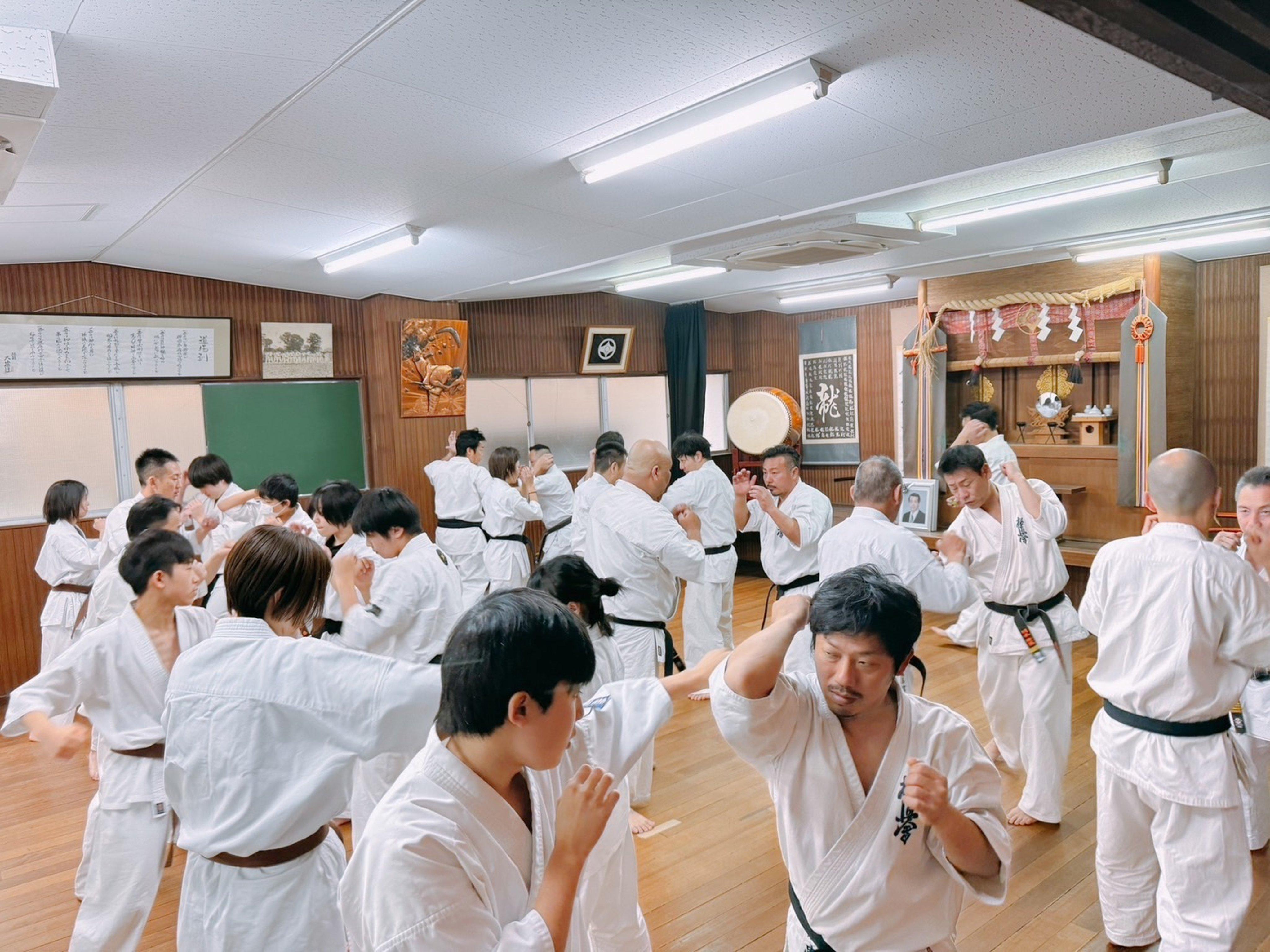
Okinawa has a particularly important place in karate's history and culture. The islands are associated with several major karate traditions, making the region fascinating for travelers who want to understand karate beyond tournaments and movies.
For travelers, Okinawa can provide an opportunity to combine:
Karate + history + beaches + Ryukyuan culture + Japanese food.
One organized tourism program in Okinawa currently offers training across four major Okinawan karate traditions, including Kobayashi/Shorin-related styles, Goju-ryu, Uechi-ryu and Ryukyu Kobudo. The program includes dojo orientation and instruction from experienced Okinawan karate instructors.
What makes Okinawa different?
Rather than treating karate simply as a combat sport, a visit can introduce travelers to its historical and cultural roots.
Great places to explore around your training
-
Naha
-
Shuri
-
Yomitan
-
Okinawa Karate Kaikan
-
Traditional Ryukyuan cultural sites
Travel tip: If you're booking a dojo experience, ask whether the session is designed for complete beginners, experienced martial artists or both.
⚔️ 5. Kendo — Experience Japan's Way of the Sword


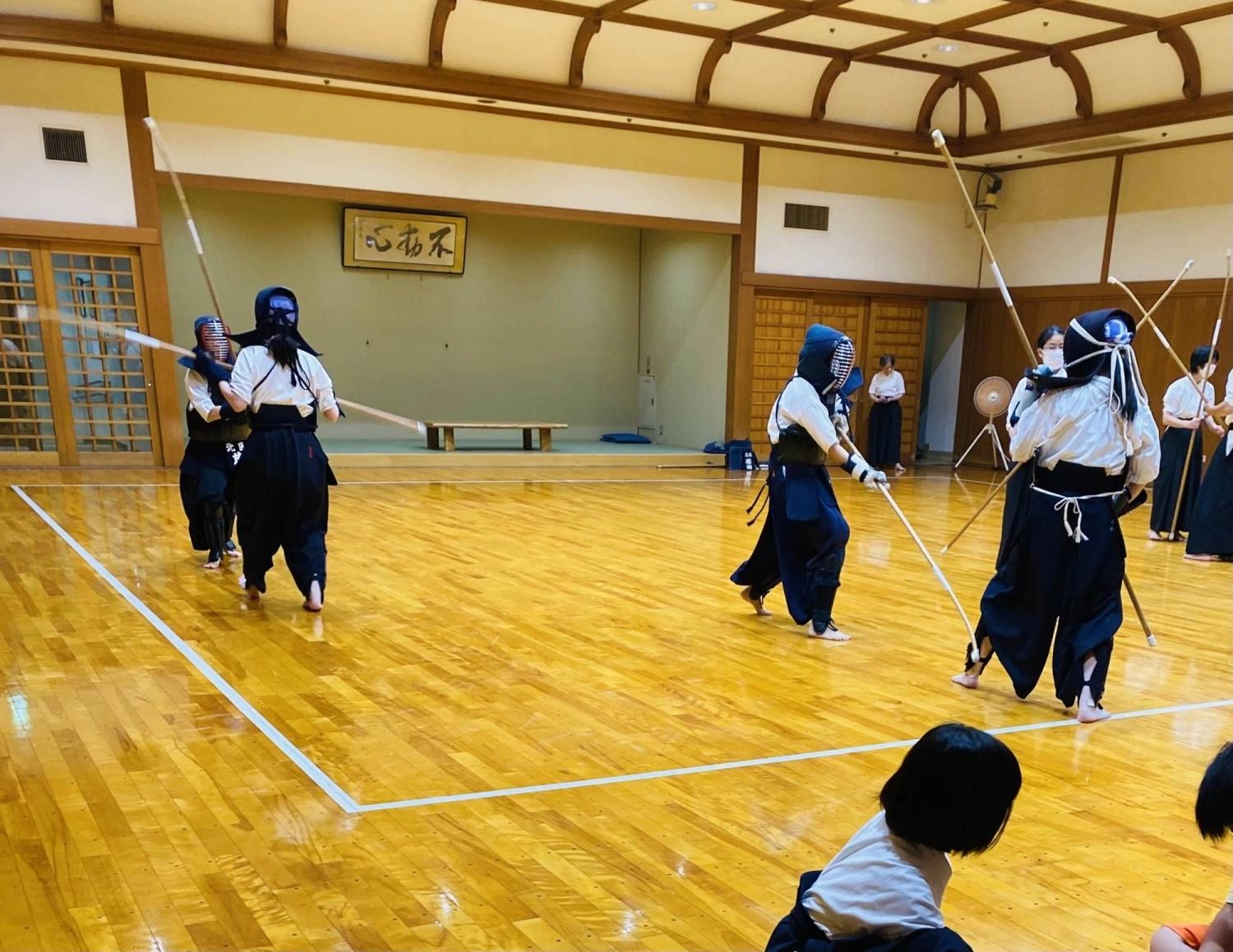
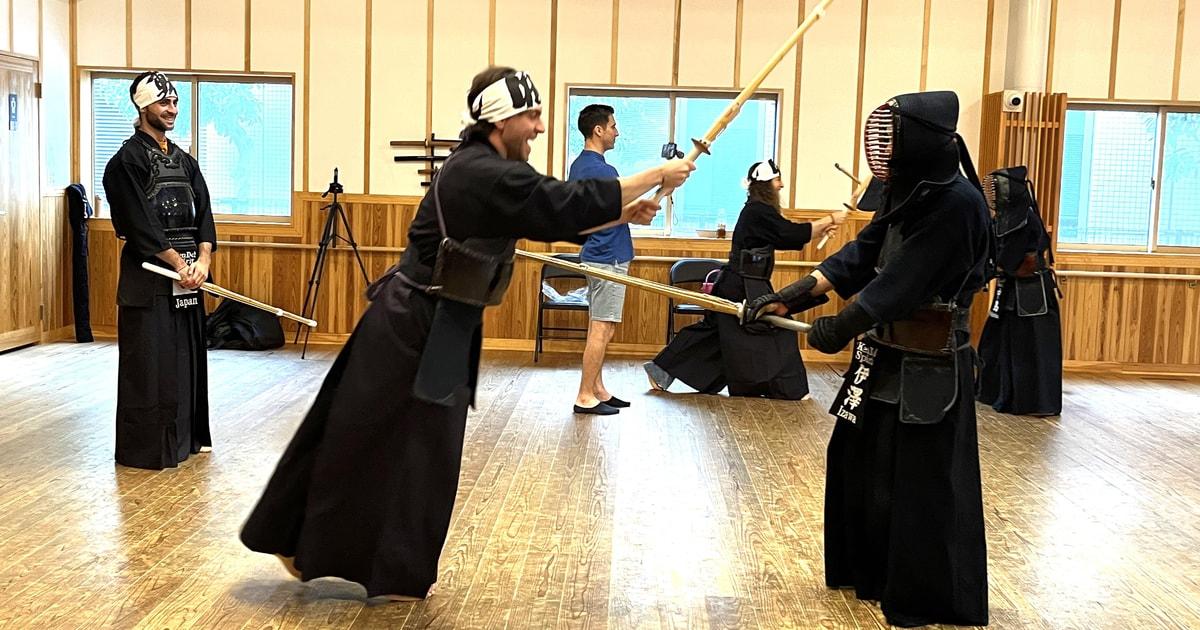
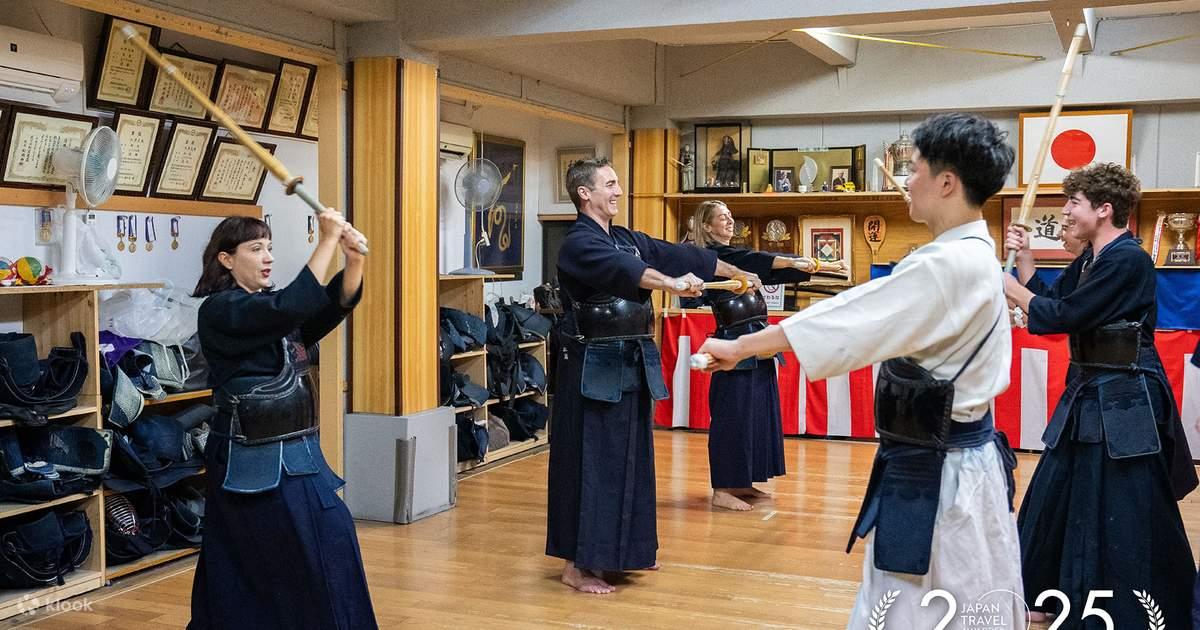
Kendo offers one of the most visually distinctive martial arts experiences in Japan.
Practitioners wear protective bōgu armor and use bamboo swords called shinai while practicing techniques, forms and controlled matches.
The All Japan Kendo Federation describes kendo as a Japanese cultural tradition connected with the principles of the Japanese sword and emphasizes character development through practice. (全日本剣道連盟 AJKF)
Travelers don't necessarily need to become kendo practitioners to appreciate the art.
Look for:
-
Kendo demonstrations
-
Local competitions
-
University competitions
-
National tournaments
-
Public martial arts events
-
Dojo demonstrations
The All Japan Kendo Federation publishes event information, including major competitions held around Japan. (全日本剣道連盟 AJKF)
Pro tip: If you're hoping to photograph or film a kendo practice, ask permission first. Dojo etiquette matters.
🥋 6. Aikido — Visit the Aikido Hombu Dojo in Shinjuku


Aikido travelers have another significant destination in Tokyo: the Aikido Hombu Dojo in Shinjuku.
The current Hombu Dojo traces its history to the Ueshiba Dojo established in 1931. Today, it hosts numerous classes throughout the week, including regular, beginner, women's and children's classes. (Aikikai)
However, don't assume that you can simply walk in and train as a tourist.
Aikikai states that enrollment is required for practice, while observation is possible under its stated rules. It also notes that observation purely for tourism may be refused. (Aikikai)
Best approach
Contact the dojo ahead of time and explain:
-
Your martial arts background
-
Where you're visiting from
-
How long you're staying
-
Whether you want to train or observe
-
Your preferred dates
That simple bit of preparation can save you an awkward arrival.
Aikikai Foundation — Aikido Hombu Dojo
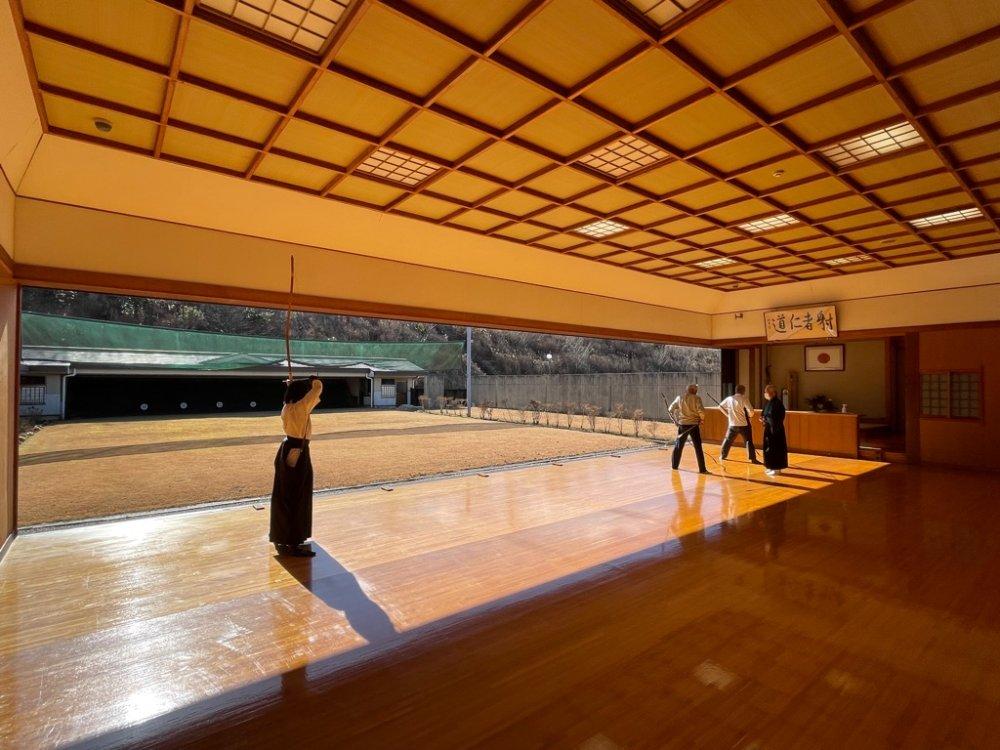
🏹 7. Kyudo — Try Japan's Traditional Archery


Want something different from striking and grappling?
Try kyudo, Japanese traditional archery.
Kyudo emphasizes posture, breathing, concentration, controlled movement and precision. It is one of the disciplines included within Japan's broader budō tradition. (SITENAME)
For travelers, kyudo can be particularly interesting because the experience is much quieter and more deliberate than combat sports such as judo or karate.
A kyudo experience may involve:
-
Learning basic posture
-
Understanding the bow and arrows
-
Practicing controlled movements
-
Learning dojo etiquette
-
Observing experienced practitioners
Because equipment and safety procedures are important, look for an organized introductory experience rather than simply showing up at a local range.
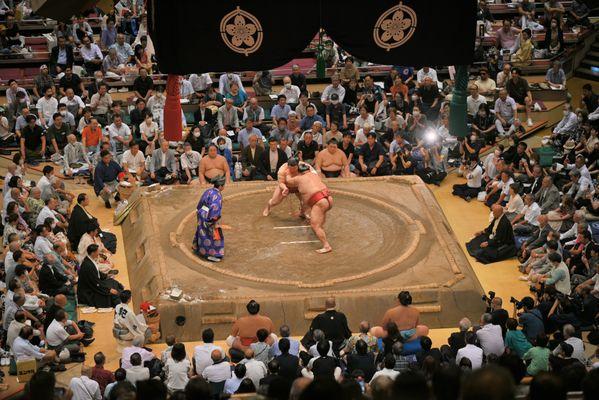
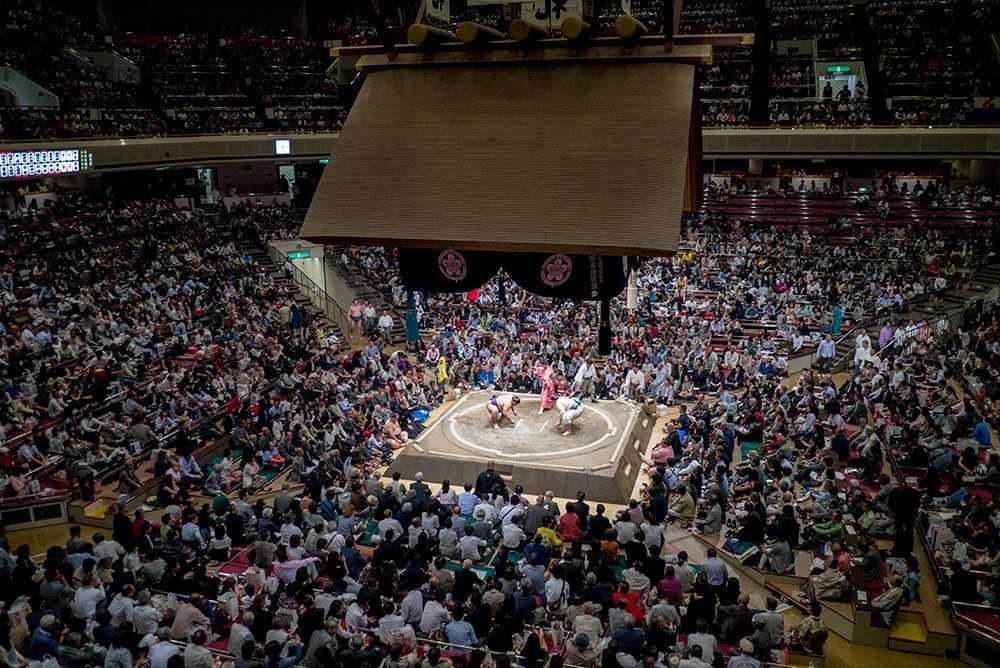
🤼 8. Don't Forget Sumo


Sumo is another major part of Japan's traditional martial and sporting culture.
While sumo is different from judo, karate and kendo, it offers travelers a fascinating look into Japanese training traditions, ritual and competition.
If your trip lines up with a major tournament, attending a professional sumo event can be one of the most memorable sporting experiences in Japan.
You can also investigate legitimate sumo stable visits and cultural experiences, but availability and photography rules vary.
Remember: A sumo stable is not simply a tourist attraction. Follow the host organization's instructions and respect the wrestlers' training environment.
🥋 9. Explore Other Japanese Martial Arts
Japan's martial arts landscape goes well beyond the four disciplines most international travelers recognize.
The Japanese Budō Association identifies several disciplines within modern budō, including:
-
Judo
-
Kendo
-
Karate
-
Aikido
-
Kyudo
-
Sumo
-
Shorinji Kempo
-
Naginata
-
Jukendo
(SITENAME)


This makes Japan an especially interesting destination for martial arts enthusiasts who want to go beyond the most famous disciplines.
For example, iaido and jodo are closely associated with Japan's traditional sword arts, while naginata uses a distinctive pole weapon and has a strong presence in Japanese budō.
The All Japan Kendo Federation oversees kendo, iaido and jodo, making its official resources useful for travelers researching these disciplines. (全日本剣道連盟 AJKF)
🗾 Best Japanese Destinations for Martial Arts Travel
| Destination | Martial Arts to Explore | What Makes It Interesting |
|---|---|---|
| Tokyo | Judo, karate, kendo, aikido, sumo | Major organizations, dojos and competitions |
| Okinawa | Karate, kobudo | Deep Okinawan karate traditions |
| Kyoto | Kendo, aikido, kyudo and others | Traditional atmosphere and cultural sites |
| Osaka | Judo and other budō | Major city with martial arts communities |
| Yokohama | Kendo, jodo and other budō events | Easy access from Tokyo |
| Katsuura, Chiba | Judo, kendo and other training | Nippon Budokan training facilities |
| Shinjuku, Tokyo | Aikido | Home of Aikido Hombu Dojo |
🧳 How to Prepare for a Martial Arts Trip to Japan
A martial arts vacation requires slightly more preparation than an ordinary sightseeing trip.
1. Contact the dojo before traveling
Don't assume every dojo accepts foreign visitors.
Send an email explaining:
"Hello, I will be visiting Japan from [date] to [date]. I practice [martial art] and would like to know if visitors are permitted to train."
Include your experience level and preferred dates.
2. Bring appropriate training clothing
Depending on the discipline, you may need:
-
Karate gi
-
Judo gi
-
Kendo equipment
-
Aikido gi
-
Athletic clothing for introductory classes
-
Belt/rank documentation
Some organizations have very specific clothing requirements.
For example, Kodokan's visitor guidance states that practitioners should bring a white judo gi, while JKA's visitor information specifies its own gi and obi requirements. (講道館)
🙇 3. Learn Basic Dojo Etiquette
This might be the most important part of your trip.
Japanese budō places considerable emphasis on respect, courtesy and discipline.
The Japanese Budō Charter specifically states that practitioners should maintain proper courtesy, respect the dojo and follow the fundamentals of their art. (SITENAME)
Before entering a dojo, learn basic etiquette such as:
-
Bow when appropriate
-
Arrive early
-
Keep your uniform clean
-
Keep your fingernails and toenails trimmed
-
Follow the instructor's directions
-
Don't interrupt instruction
-
Ask before taking photographs
-
Keep your phone away during training
-
Clean up after yourself
-
Thank your training partners and instructors
You don't need perfect Japanese.
Respect goes much further than perfect Japanese pronunciation.
📸 4. Ask Before Taking Photos or Videos
This is especially important if you're creating travel content for YouTube, TikTok, Instagram or VibesTravelling.
A dojo isn't automatically a filming location.
Before recording:
Ask the instructor.
Some competitions and examinations may also have specific photography, video or registration rules. For example, the All Japan Kendo Federation currently publishes event-specific requirements concerning spectators and recording. (全日本剣道連盟 AJKF)
🚆 5. Build Your Martial Arts Trip Around the Training
Instead of trying to squeeze a dojo visit between ten tourist attractions, give the experience some breathing room.
A possible itinerary could look like:
Day 1–2: Tokyo
Explore Tokyo and visit the Nippon Budokan area.
Day 3: Judo
Visit the Kodokan and, if eligible, participate in training.
Day 4: Karate
Train or observe at an appropriate Tokyo karate dojo.
Day 5: Aikido
Visit the Aikido Hombu Dojo if you've arranged the appropriate enrollment or observation.
Day 6–7: Sightseeing
Explore Shibuya, Asakusa, Shinjuku or other Tokyo attractions.
Days 8–10: Okinawa
Fly to Okinawa and experience karate and Ryukyuan culture.
This turns your trip into more than a collection of sightseeing stops.
It becomes a martial arts journey through Japan.
💴 How Much Does a Martial Arts Trip to Japan Cost?
Your total budget depends heavily on your accommodation, transportation and whether you're participating in formal training.
A rough planning framework:
| Expense | Budget Consideration |
|---|---|
| Accommodation | Budget hotels/hostels to luxury hotels |
| Local transportation | Trains, subways and buses |
| Long-distance transportation | Shinkansen or domestic flights |
| Dojo fees | Varies by organization |
| Equipment rental | Available at some experiences |
| Food | Convenience stores, restaurants and local eateries |
| Competition tickets | Depends on event |
| Martial arts souvenirs | Gi, belts, books and equipment |
For example, Kodokan currently publishes specific enrollment and dojo fees, while JKA publishes a visitor class fee. These should be treated as current reference prices rather than permanent prices, because organizations can change their fees. (講道館)
🗣️ Useful Japanese Martial Arts Words
Learning a few Japanese terms can make your experience more enjoyable.
| Japanese | Meaning |
|---|---|
| Dōjō (道場) | Training hall |
| Budō (武道) | Martial way |
| Keiko (稽古) | Practice/training |
| Sensei (先生) | Teacher/instructor |
| Rei (礼) | Bow/respect |
| Hajime (始め) | Begin |
| Yame (止め) | Stop |
| Osu / Ossu | Commonly used greeting/acknowledgment in some karate communities |
| Kata (型) | Forms |
| Kumite (組手) | Sparring/practice |
| Randori (乱取り) | Free practice |
| Shiai (試合) | Competition/match |
🌏 Why Martial Arts Travel Is Different
A martial arts trip isn't just about learning how to kick, punch, throw or use a sword.
The Japanese Budō Charter describes budō as a path involving physical training, discipline, character development and courtesy. (SITENAME)
That philosophy gives martial arts tourism a cultural dimension.
You might spend the morning practicing judo, eat ramen for lunch, explore an ancient temple in the afternoon and return to a dojo in the evening.
That's a very different way to experience Japan.
And honestly, that's where the vibes get interesting.
🥋 Final Thoughts: Add Martial Arts to Your Japan Travel Bucket List
Whether you're a lifelong martial artist or someone who has never stepped onto a dojo floor, Japan offers countless opportunities to discover the country's martial arts traditions.
You can:
🥋 Train in karate in Tokyo
🤼 Practice judo at the Kodokan
⚔️ Experience kendo
🌀 Discover aikido in Shinjuku
🏹 Learn about kyudo
🥊 Explore Okinawan karate
🏯 Watch traditional martial arts competitions
🗾 Discover lesser-known Japanese budō
The key is to approach these experiences as a student and traveler rather than simply a tourist.
Do your research, contact organizations beforehand, respect dojo etiquette and remain open to learning.
Your Japanese adventure could end up being about much more than sightseeing.
It could become a journey into discipline, tradition, culture and the Japanese martial arts way.
📌 Quick Martial Arts Travel Checklist
Before your trip, save this list:
☐ Research your preferred martial art
☐ Contact the dojo before visiting
☐ Confirm visitor eligibility
☐ Check current fees
☐ Confirm training dates and times
☐ Pack your gi if required
☐ Bring your belt/rank information
☐ Learn basic dojo etiquette
☐ Ask before photographing/videoing
☐ Check competition schedules
☐ Plan transportation
☐ Leave enough recovery time between sessions
☐ Respect instructors and training partners
🔎 SEO Keywords
Japan martial arts travel, martial arts Japan, martial arts tourism Japan, karate Japan, karate training Japan, Okinawa karate, Okinawa martial arts, judo Japan, judo Tokyo, Kodokan Judo, kendo Japan, kendo Tokyo, aikido Japan, Aikido Hombu Dojo, kyudo Japan, Japanese martial arts, Japanese dojo, budo Japan, martial arts vacation Japan, things to do in Japan for martial artists.
Suggested Featured Image


VibesTravelling.com tagline placement:
More than a destination, it’s the vibes.
Editorial note: Training availability, prices, admission policies and schedules can change. Travelers should verify details directly with the relevant dojo or federation before making bookings.
Tags :
Japan martial arts travelAdvertisement