

 Editor
🇯🇵 Local Transportation in Japan: A Traveler’s Guide to Getting Around
Japan’s transportation system can seem overwhelming at first. Trains, subways, buses, taxis, ferries, and high-speed rail all operate across the country
🇯🇵 Local Transportation in Japan: A Traveler’s Guide to Getting Around
VibesTraveling — More than a destination, it’s the vibes.
Japan’s transportation system can seem overwhelming at first. Trains, subways, buses, taxis, ferries, and high-speed rail all operate across the country—but once you understand how they fit together, getting around Japan becomes part of the adventure.
Whether you're exploring Tokyo for the first time, heading from Kawasaki to Yokohama, visiting Kyoto, or venturing into a smaller Japanese town, this guide will help you understand the main transportation options and how to use them.


🚆 1. Local & Regional Trains
For everyday travel, trains are the backbone of transportation in Japan.
In major cities, you will encounter several railway operators. In Tokyo, for example, JR East operates numerous lines while Tokyo Metro and Toei operate subway services. Japan's rail network extends far beyond Tokyo, connecting cities and smaller communities throughout the country. (GoTokyo)
Common types of trains
| Train type | Best for |
|---|---|
| 🚉 Local | Short-distance trips with frequent stops |
| 🚆 Rapid | Fewer stops and faster journeys |
| 🚄 Limited Express | Longer regional journeys |
| 🚅 Shinkansen | High-speed intercity travel |
💳 IC cards
For many local journeys, rechargeable IC cards and compatible mobile services can make traveling much easier. Depending on the area and service, cards such as Suica, PASMO, and ICOCA can be used to tap in and out of participating transportation systems.
VibesTraveling Tip:
Keep your IC card or phone easily accessible. Japanese stations can involve a surprising amount of walking between platforms and transfers!
🚇 2. Subways


If you're staying in Tokyo, Osaka, Kyoto, or another major city, you'll probably use the subway at some point.
Tokyo's subway system consists of Tokyo Metro's nine lines and Toei Subway's four lines, creating a dense network through central Tokyo. (Japan Guide)
The subway is particularly useful for reaching major sightseeing areas without having to rely on taxis.
Before boarding
-
Find your station.
-
Check the line and direction.
-
Look for the correct platform.
-
Check the destination shown on the train.
-
Tap your IC card at the gate if applicable.
-
Keep your belongings organized while traveling.
One important thing to remember: Tokyo's railway and subway systems are operated by multiple companies, so transferring between services can sometimes involve different ticket gates or fare systems. (Japan Guide)
🚅 3. Shinkansen — Japan's Bullet Train


The Shinkansen is one of Japan's most famous transportation experiences.
The high-speed network connects Tokyo with major destinations throughout Japan, including Nagoya, Kyoto, Shin-Osaka, Sendai, Hiroshima, Hakata and other cities. (Japan Travel)
The major Shinkansen routes include:
-
Tokaido Shinkansen
-
Sanyo Shinkansen
-
Tohoku Shinkansen
-
Hokkaido Shinkansen
-
Joetsu Shinkansen
-
Hokuriku Shinkansen
-
Kyushu Shinkansen
-
Yamagata Shinkansen
-
Akita Shinkansen
🎟️ Shinkansen tickets
Depending on the route and train, you may encounter:
-
Non-reserved seating
-
Reserved seating
-
Green Car
-
GranClass on certain services
Tokyo Station's Shinkansen platforms are divided between different services. For example, the Tokaido/Sanyo Shinkansen uses platforms 14–19, while several northern and eastern Shinkansen services use 20–23. (Tokyo Station City)
VibesTraveling Tip:
Don't just look at the train name. Check your destination, departure time, platform, car number and seat number before boarding.
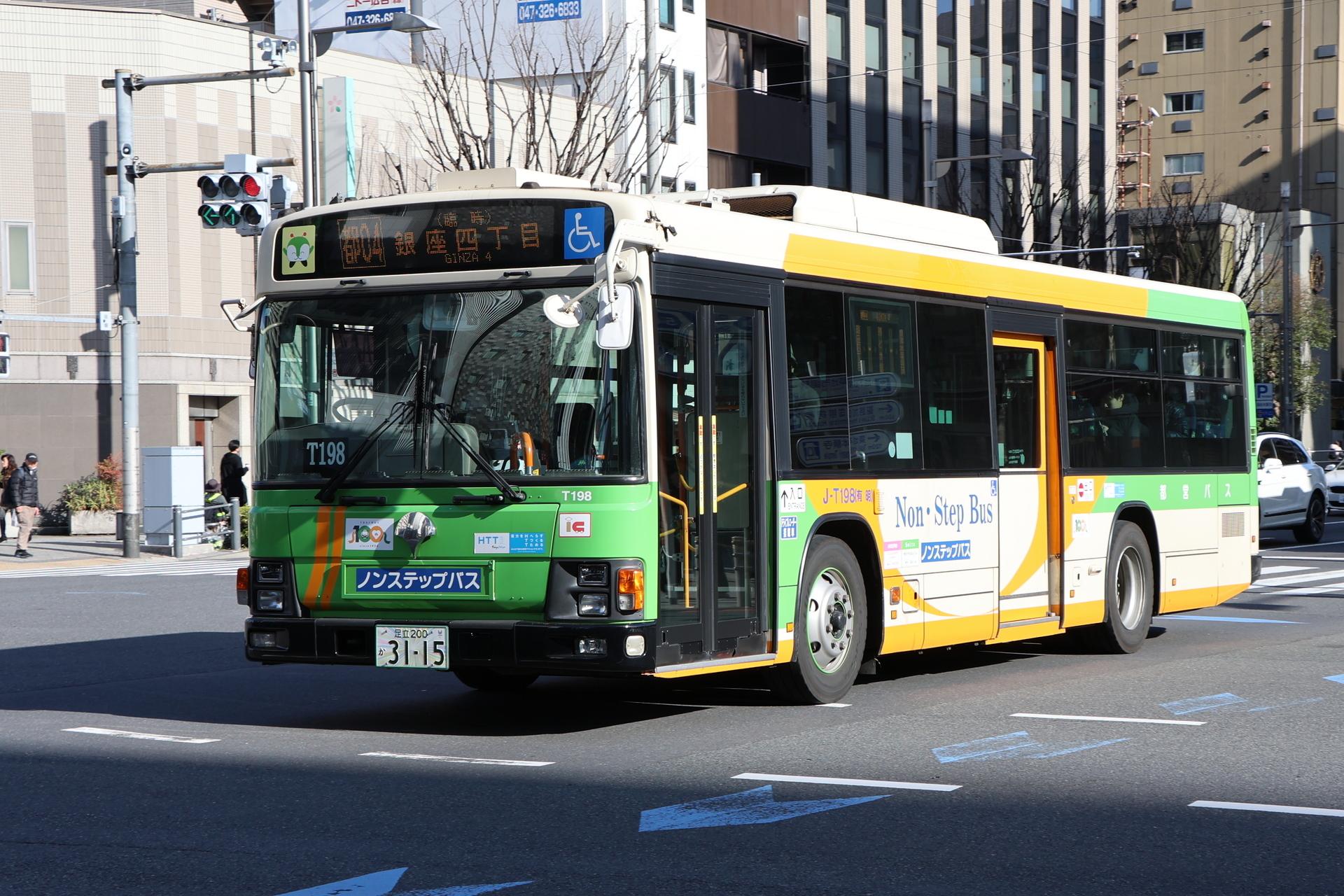
🚌 4. City Buses


Buses become especially useful when trains don't take you close enough to your destination.
This is common in residential neighborhoods, smaller cities, rural areas, and sightseeing destinations.
Tokyo's bus network, for example, helps connect areas that aren't directly served by rail.
Bus travel can work differently depending on the region
You may encounter:
-
Boarding through the front door
-
Boarding through the rear door
-
Paying when boarding
-
Paying when exiting
-
Flat fares
-
Distance-based fares
-
IC card payment
-
Cash payment
Important: Don't assume every Japanese bus works the same way.
Look at the instructions near the entrance or check the operator's website before your trip.
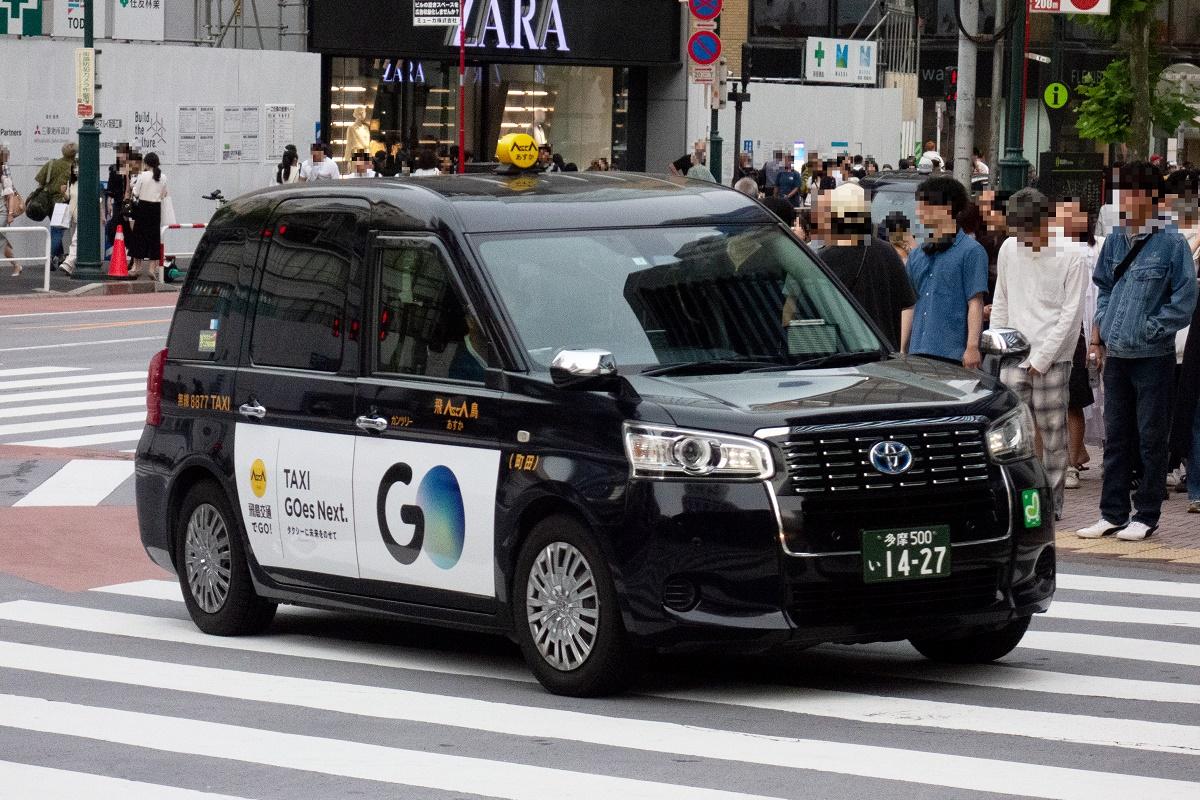
🚕 5. Taxis


Japanese taxis can be extremely useful when:
-
You're carrying large luggage.
-
You're traveling late at night.
-
You're staying somewhere away from a train station.
-
You're traveling with several people.
-
Public transportation doesn't reach your destination conveniently.
You'll commonly find taxi stands outside major train stations.
🚖 A few things to remember
Japanese taxis are generally metered, and the fare depends on factors such as distance and time.
The rear doors are commonly operated automatically by the driver, so don't be surprised if the driver opens or closes the door for you.
And yes—Japan's famously polite transportation culture extends to taxis too.
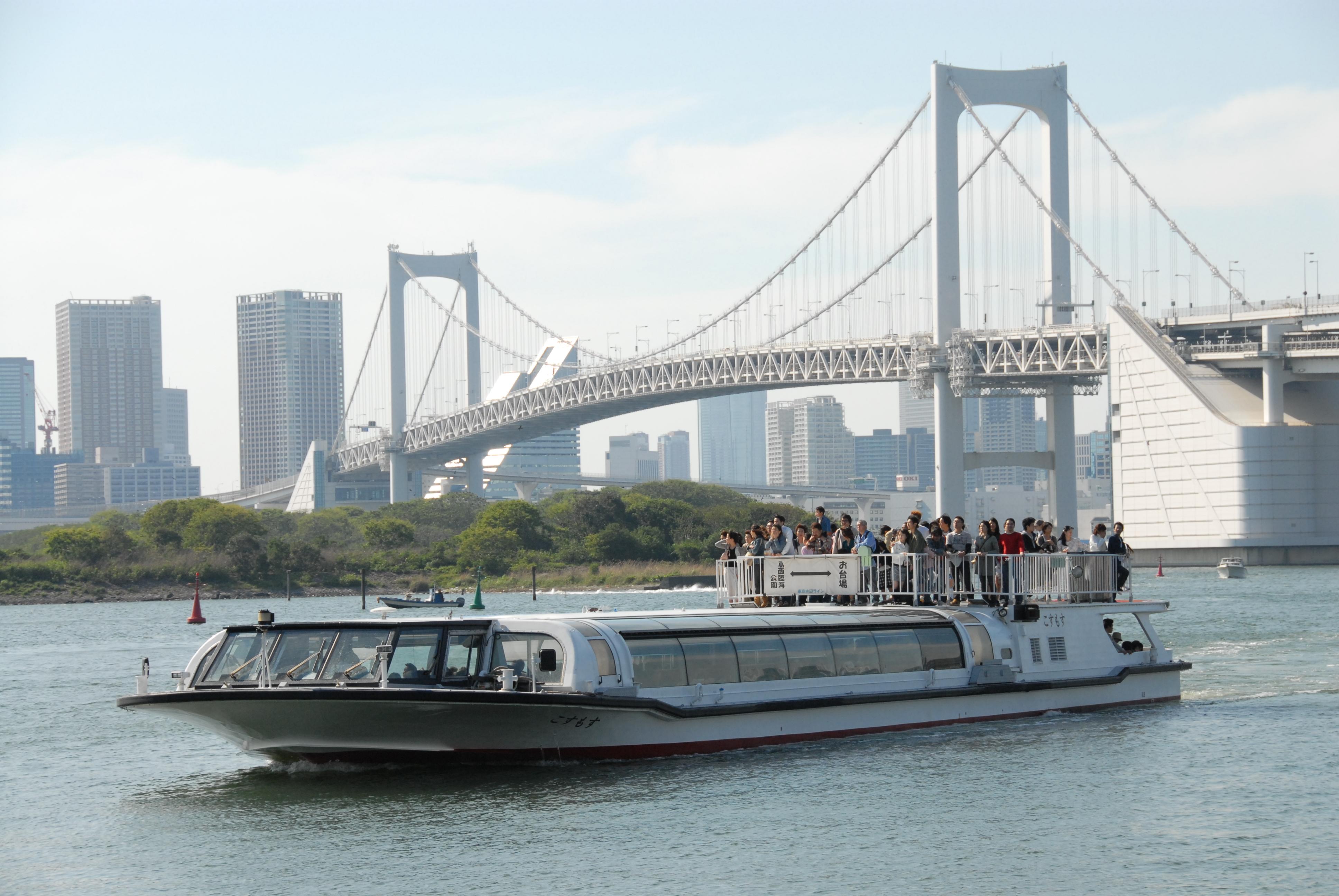
⛴️ 6. Ferries & Water Transportation


Japan is an island nation, so it's no surprise that boats are an important part of the transportation network.
Ferries can connect:
-
Mainland Japan with islands
-
Honshu with Hokkaido
-
Kyushu with other islands
-
Okinawa with other destinations
There are also shorter sightseeing and urban water services. Japan's tourism organization notes that ferry options range from short crossings to overnight journeys.
A boat journey can also give you a completely different perspective of Japan.
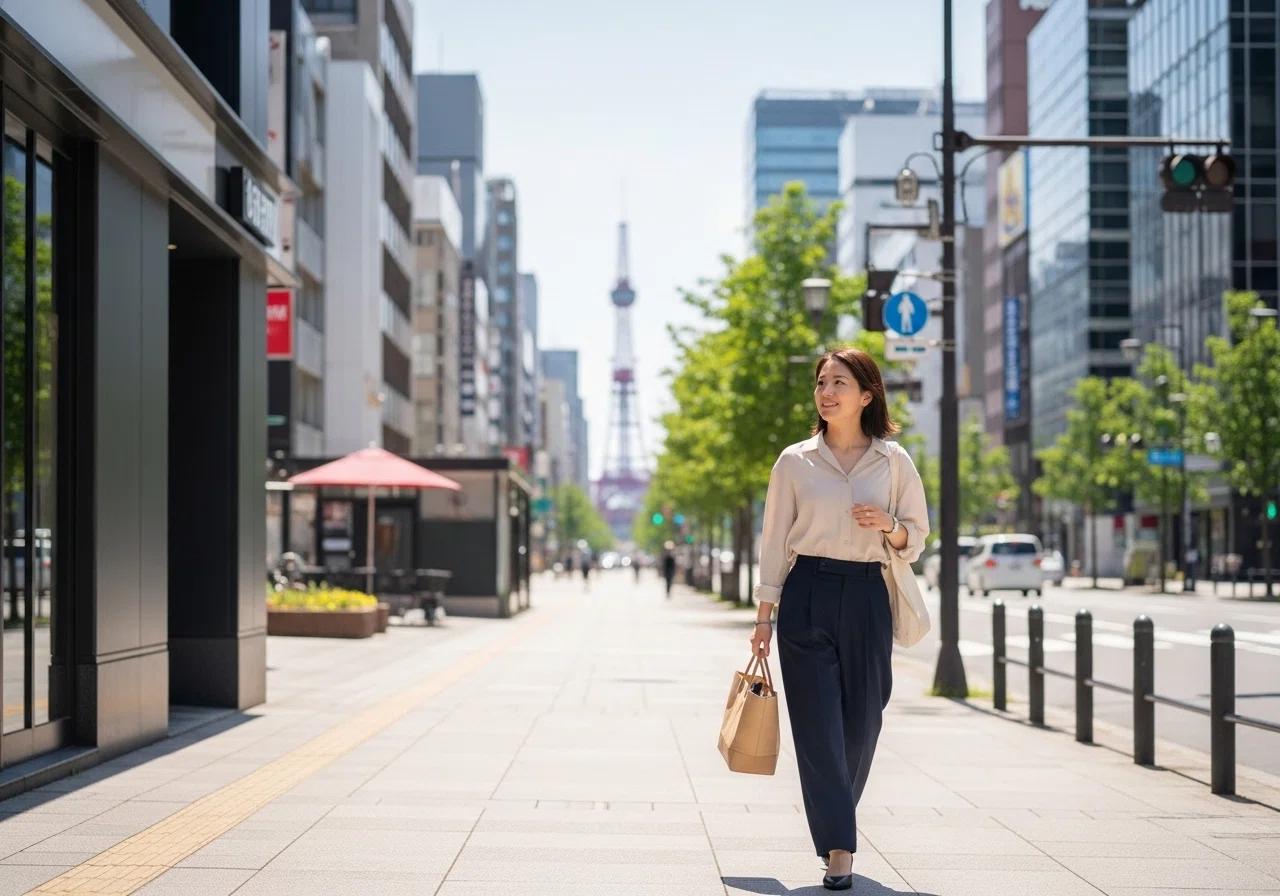
🚶 7. Walking — Don't Underestimate It!


Here's something many first-time visitors discover:
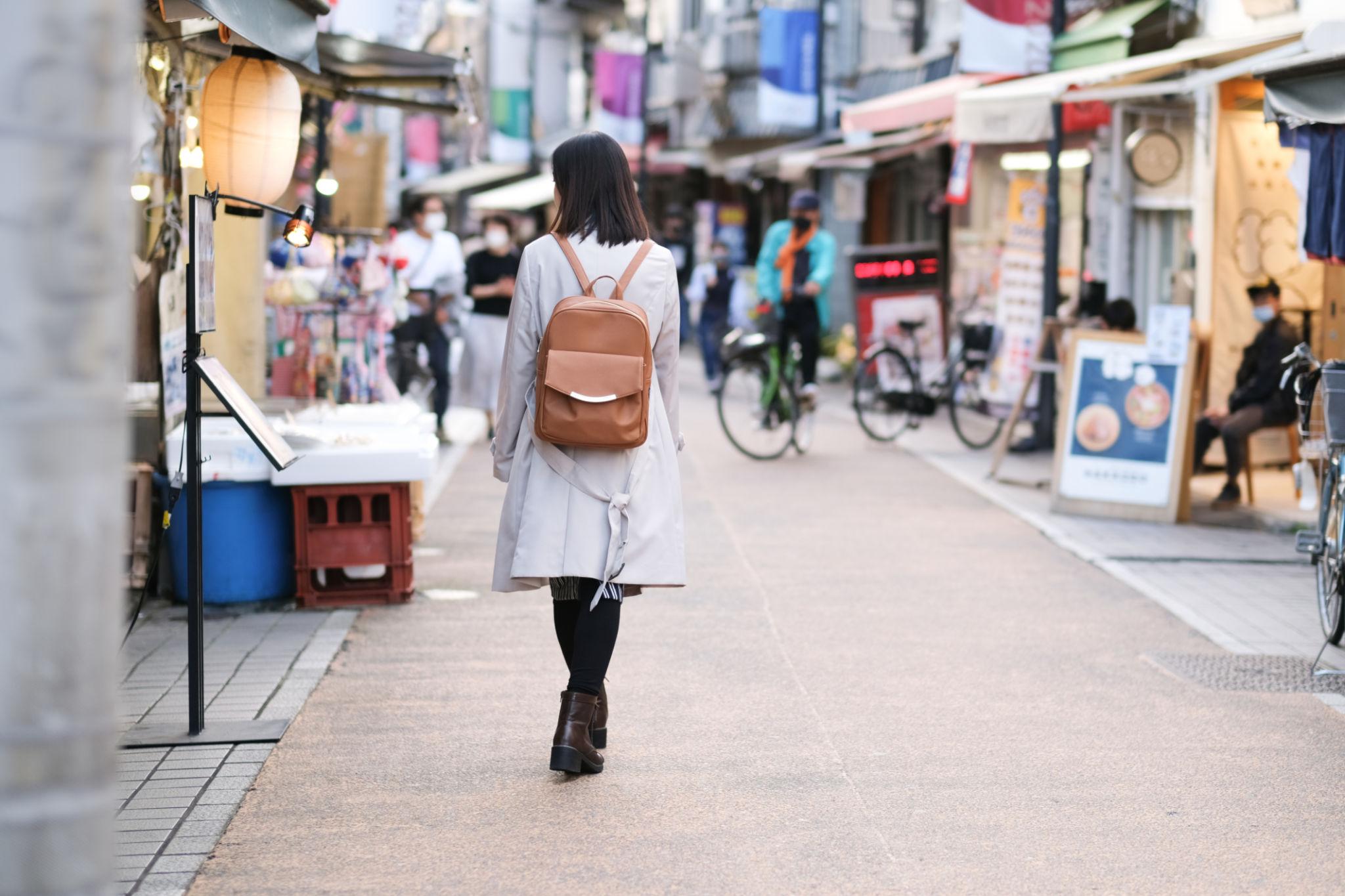
Sometimes the best transportation option is your own two feet.
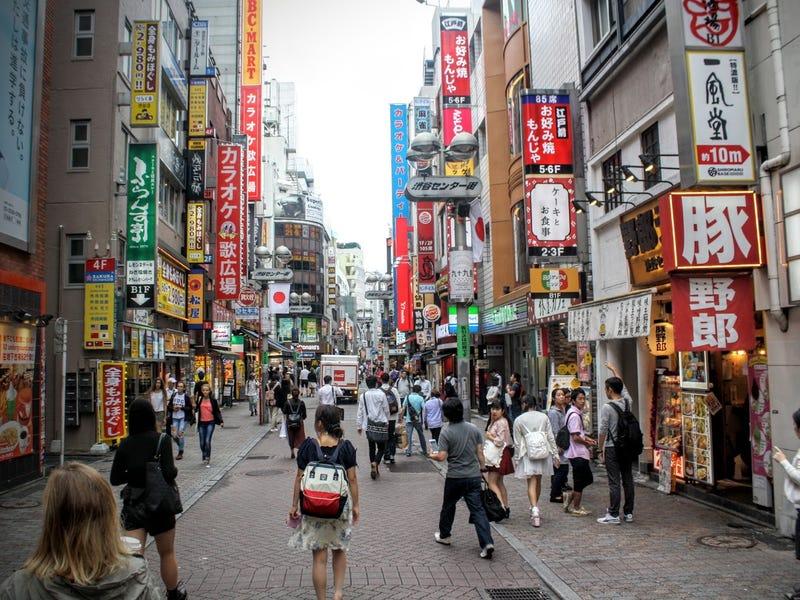
Japanese neighborhoods are often incredibly interesting to explore on foot.
You might walk through:
-
Residential streets
-
Shopping arcades
-
Small local restaurants
-
Shrines and temples
-
Parks
-
Station neighborhoods
-
Traditional streets
And you never know what you'll discover around the next corner.
That's where the VibesTraveling philosophy really comes alive:
More than a destination, it’s the vibes.
✈️ 8. Domestic Flights
For longer distances, flying can also make sense.
Japan has airports throughout the country, connecting major metropolitan areas with Hokkaido, Okinawa, Kyushu, Shikoku and other destinations.
Flying can be particularly useful when you're traveling between regions where a train journey would take considerably longer.
But don't automatically assume that flying is faster door-to-door. Airport transfers, security procedures and getting to/from the airport all add travel time.
🗺️ Which Transportation Should You Use?
| Transportation | Best for |
|---|---|
| 🚆 Local train | Everyday city/regional travel |
| 🚇 Subway | Central-city transportation |
| 🚅 Shinkansen | Fast intercity travel |
| 🚌 Bus | Neighborhoods & areas away from rail |
| 🚕 Taxi | Convenience, luggage & late travel |
| ⛴️ Ferry | Islands & longer water crossings |
| 🚶 Walking | Exploring neighborhoods |
| ✈️ Domestic flight | Long-distance regional travel |
💡 VibesTraveling Transportation Tips
1. Give yourself extra time at major stations
Tokyo, Shinagawa, Shinjuku and other major stations can be enormous. A transfer that looks simple on a map may involve quite a bit of walking.
2. Check the exact station
"Tokyo" isn't always enough information.
For example, Tokyo Station, Shinagawa Station and Ueno Station serve different Shinkansen routes and connections. (Tokyo Station City)
3. Watch the last train
Japan's rail system isn't generally a 24-hour service. If you're enjoying nightlife, check when the final train leaves.
4. Don't block the doors
When trains arrive, allow passengers to exit before boarding.
5. Keep noise down
Japanese trains are generally quiet environments. Loud conversations and phone calls can disturb other passengers.
6. Have a backup plan
Train delays, weather, crowded stations and missed connections happen.
Save your accommodation's address in Japanese so you can show it to a driver or station staff member if necessary.
📍 Transportation Is Part of the Japan Experience
One of the coolest things about traveling around Japan is that getting there can be part of the adventure.
A Shinkansen ride can become a travel memory.
A local train can take you somewhere tourists rarely visit.
A city bus can introduce you to a neighborhood you would otherwise miss.
A ferry can transform an ordinary journey into a scenic experience.
And sometimes, walking down a quiet Japanese street can become the highlight of your entire day.
That's the idea behind VibesTraveling:
Explore the places. Experience the culture. Find the vibes.
Japan isn't simply somewhere you travel to.
Sometimes, the journey itself is the destination. 🇯🇵
📸 Suggested photo layout for your VibesTraveling website
For the article page, I'd use:
-
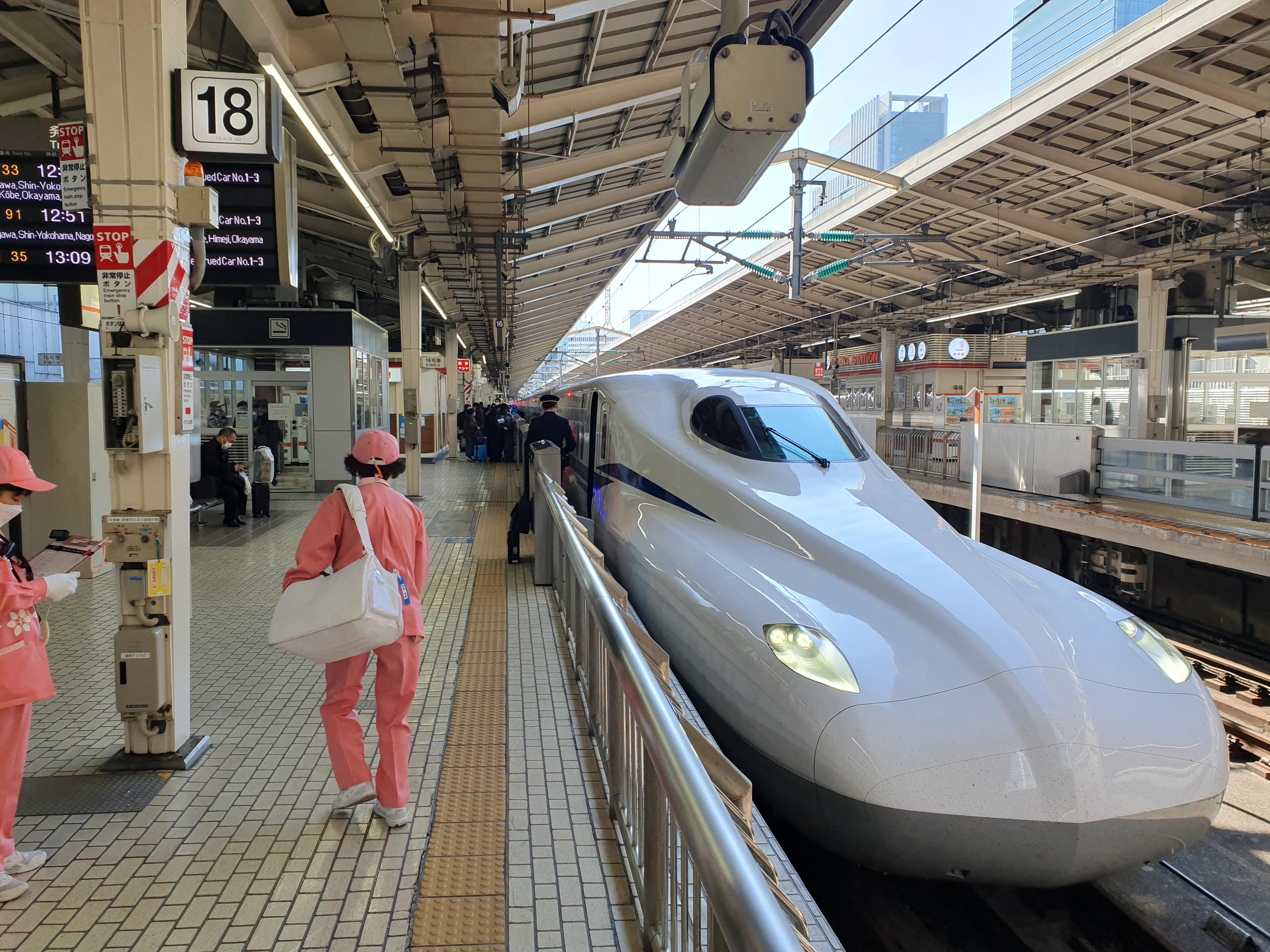
Hero image: Shinkansen arriving at a Japanese station
-
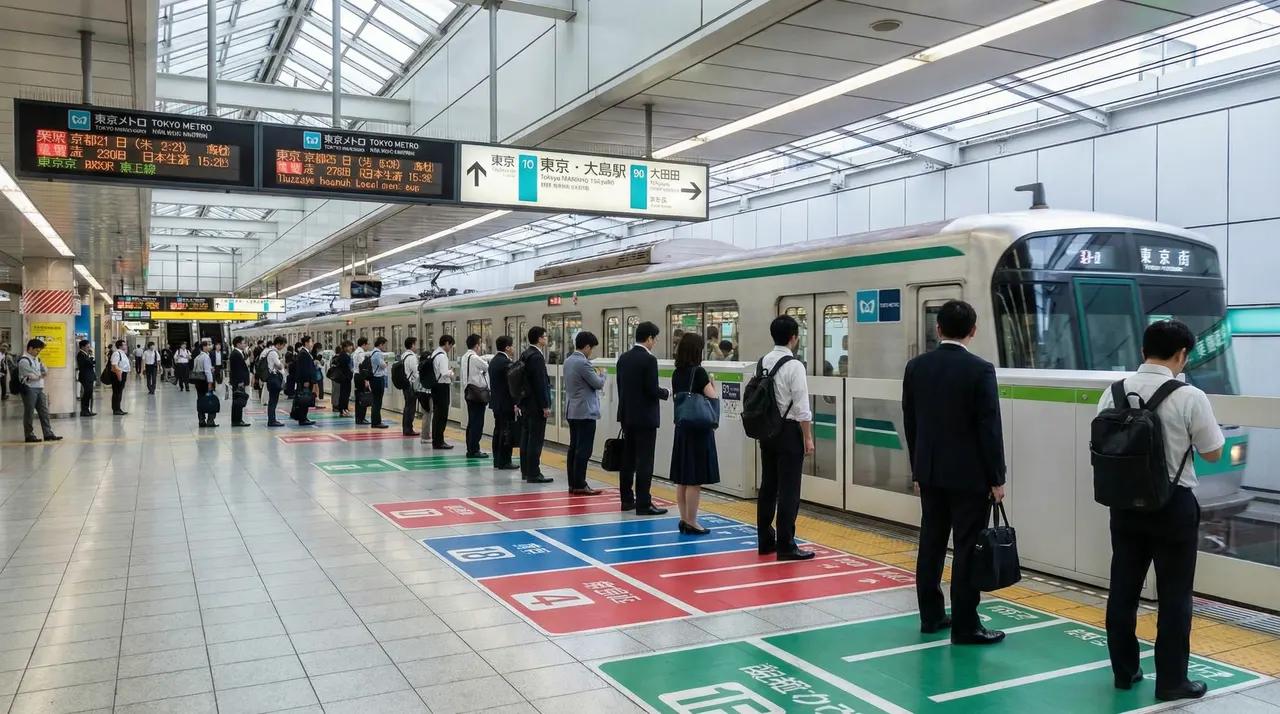
Train section: Local Japanese train/station
-
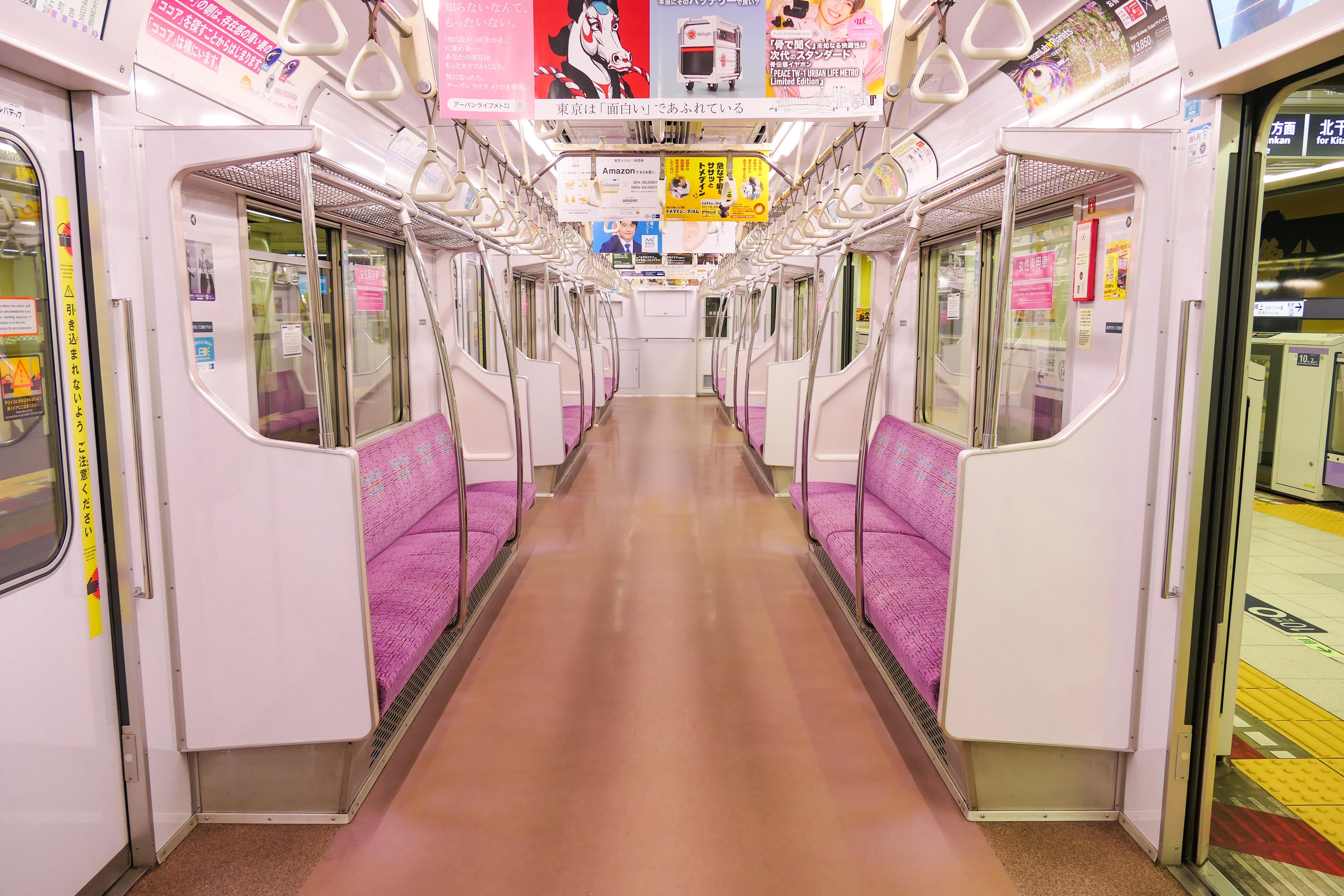
Subway section: Tokyo Metro interior
-
Bus section: Japanese city bus
-
Taxi section: Japanese taxi at a station
-
Ferry section: Tokyo Water Bus/ferry
-
Walking section: Japanese neighborhood street
-
Closing image: Traveler walking through a Japanese station
The images above are useful visual references; for the published VibesTraveling article, check the individual image/source licensing before downloading and republishing them. The Shinkansen platform image from Wikimedia Commons is specifically identified as public domain in its source listing.
Advertisement