

 Tyventure
Martial Arts Tourism: How to Plan the Ultimate Combat Sports Vacation
Imagine starting your morning with a Muay Thai training session in Thailand, practicing Brazilian Jiu-Jitsu in Brazil, learning traditional karate in Japan
Imagine starting your morning with a Muay Thai training session in Thailand, practicing Brazilian Jiu-Jitsu in Brazil, learning traditional karate in Japan, or experiencing boxing culture in Mexico before spending the afternoon exploring the local city.
A martial arts vacation allows travelers to combine training, culture, fitness, food, history, and adventure into one unforgettable trip.
Whether you're a complete beginner or an experienced fighter, this guide explains how to plan a combat sports vacation that fits your goals, budget, and travel style.


Martial Arts Tourism: How to Plan the Ultimate Combat Sports Vacation
Train. Travel. Experience. Repeat.
Travel doesn't always have to be about sightseeing, relaxing on a beach, or checking famous landmarks off a bucket list. For travelers who love martial arts and combat sports, there is another way to experience the world: martial arts tourism.
What Is Martial Arts Tourism?
Martial arts tourism is travel centered around learning, practicing, watching, or experiencing martial arts and combat sports.
Instead of simply visiting a destination as a tourist, travelers participate in local training experiences, visit famous dojos and gyms, attend competitions, take seminars, or explore the cultural history behind a particular martial art.
Popular martial arts travel experiences include:
-
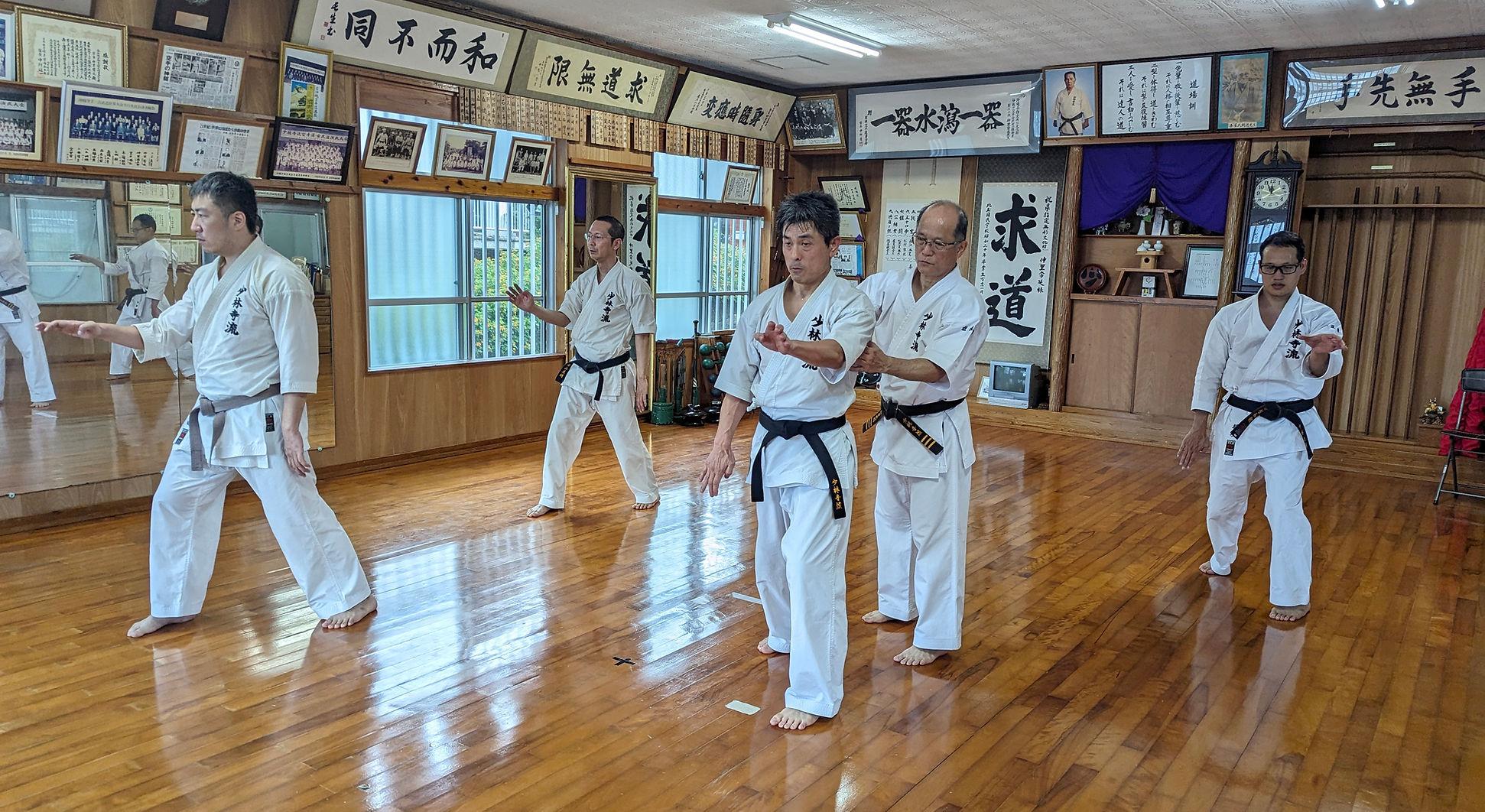
🥋 Karate training in Japan
-
🥊 Boxing camps in Mexico
-
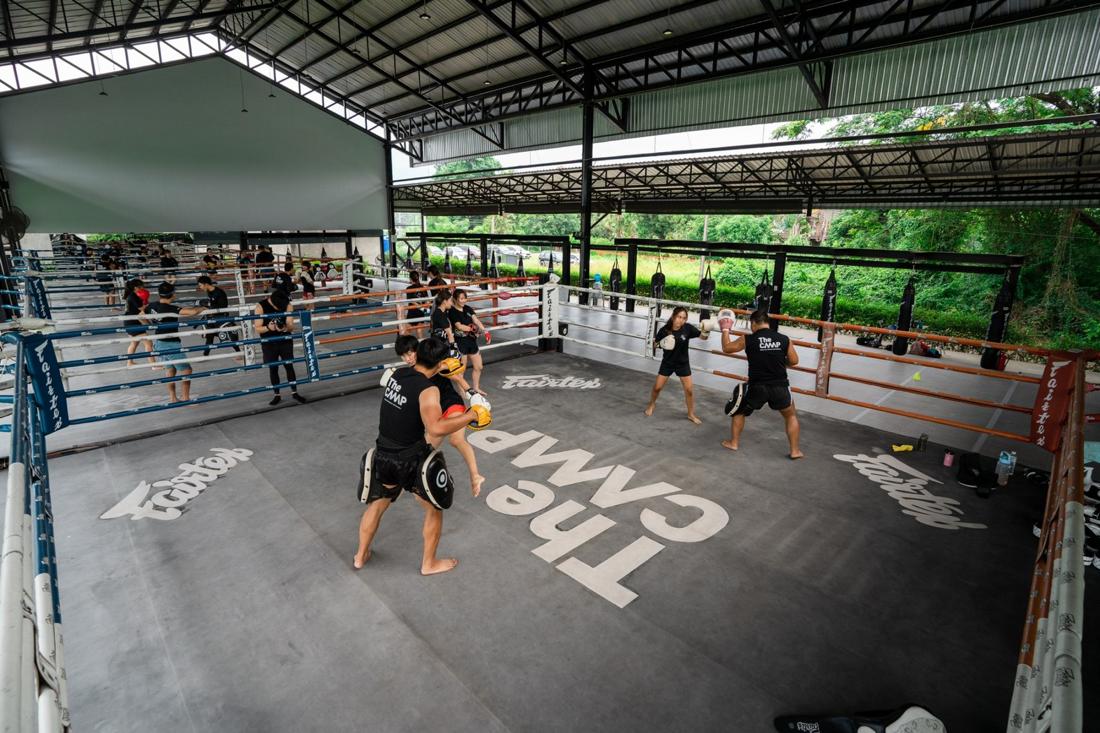
🇹🇭 Muay Thai camps in Thailand
-
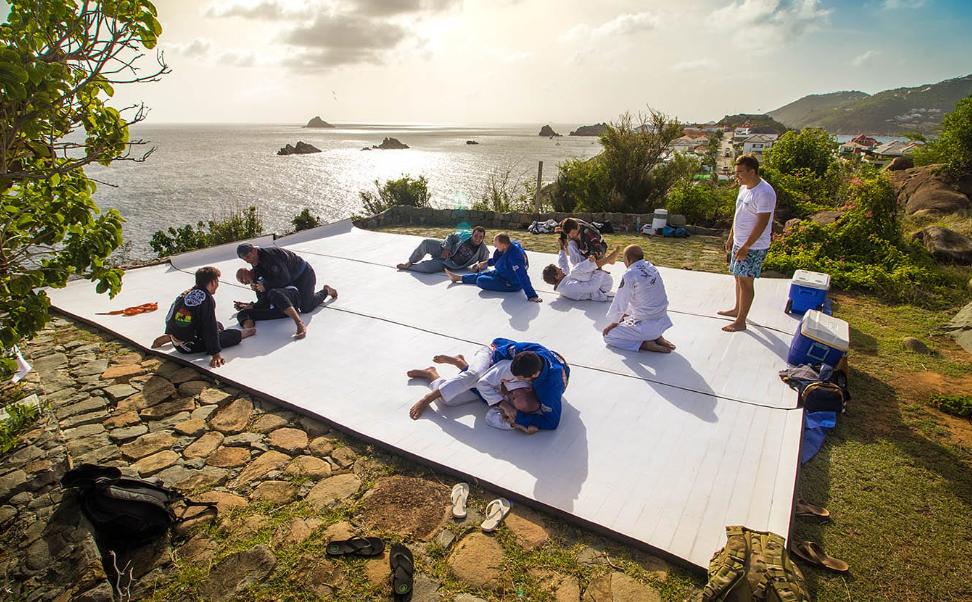
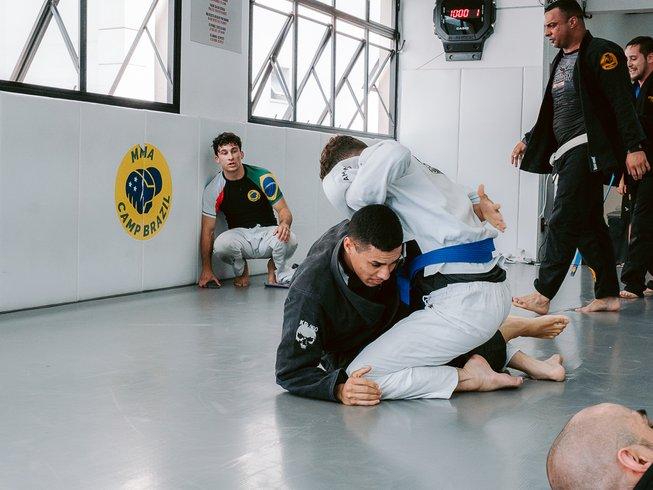
🥋 Brazilian Jiu-Jitsu training in Brazil
-
🥊 Kickboxing camps around the world
-
🥋 Judo training in Japan
-
🥊 MMA training camps
-
🤼 Wrestling and grappling camps
-
🥋 Taekwondo experiences in South Korea
-
⚔️ Traditional martial arts demonstrations
The best part? You don't necessarily have to be an experienced fighter.
Many gyms and training camps offer programs specifically designed for visitors and beginners.
Why Take a Martial Arts Vacation?
A martial arts vacation can provide a completely different perspective on a destination.
Instead of spending your entire trip inside tourist areas, you can interact with local athletes, instructors, students, and communities.
1. Learn From Local Instructors
Training where a martial art has deep cultural roots can provide a unique learning experience.
For example, travelers interested in Japanese martial arts may want to experience training inside a traditional Japanese dojo.
Similarly, someone interested in Muay Thai might choose Thailand because of the country's long-standing relationship with the sport.
2. Experience Local Culture
Martial arts are often connected to the history and culture of their country of origin.
Training can introduce travelers to:
-
Traditional customs
-
Training etiquette
-
Local terminology
-
Food and nutrition
-
Community traditions
-
Sports culture
-
Historical practices
You're not simply watching the culture from the outside. You're participating in an activity with local people.
3. Improve Your Fitness
Combat sports training can be physically demanding.
Depending on the discipline, your training may include:
-
Cardio
-
Strength training
-
Flexibility
-
Balance
-
Coordination
-
Footwork
-
Mobility
-
Technique drills
A week or two at a training camp can become an active alternative to a traditional vacation.
4. Meet People From Around the World
Martial arts gyms can be surprisingly international.
You might train alongside travelers from Europe, North America, Australia, Asia, Africa, or South America.
That makes martial arts tourism particularly interesting for solo travelers.
The Best Destinations for Martial Arts Tourism
Different destinations offer different combat sports experiences. Your ideal destination depends on the martial art you want to study.


🇯🇵 Japan — Karate, Judo, Aikido and More
Japan is one of the world's most recognizable martial arts destinations.
Travelers can explore disciplines such as:
-
Karate
-
Judo
-
Aikido
-
Kendo
-
Jujutsu
-
Sumo
-
Traditional Japanese martial arts
Tokyo, Kyoto, Osaka, Okinawa, and other regions offer opportunities to experience different aspects of Japanese martial arts culture.
Travel tip: Okinawa is particularly interesting for travelers fascinated by the history and development of karate.
A martial arts trip to Japan can also be combined with sightseeing, Japanese cuisine, temples, museums, shopping, and outdoor adventures.
🇹🇭 Thailand — The Home of Muay Thai
For many combat sports travelers, Thailand is synonymous with Muay Thai.
Training camps can be found throughout the country, including destinations such as Bangkok, Phuket, Chiang Mai, Pattaya, and other areas.
A typical Muay Thai camp may include:
-
Pad work
-
Heavy-bag training
-
Shadowboxing
-
Footwork
-
Clinch work
-
Conditioning
-
Sparring
-
Strength and conditioning
Some camps welcome complete beginners, while others are heavily focused on experienced fighters.
Travel tip: Don't assume every camp is the same. Research the training schedule, accommodation, coaching style, class size, and experience level before booking.
🇧🇷 Brazil — Brazilian Jiu-Jitsu and Capoeira
Brazil is a fascinating destination for grappling enthusiasts.
Brazilian Jiu-Jitsu has become a worldwide phenomenon, and traveling to Brazil can provide an opportunity to train where the sport developed into its modern form.
Travelers can also explore Capoeira, a Brazilian art combining movement, music, rhythm, and martial arts traditions.
Rio de Janeiro and São Paulo are particularly associated with Brazil's martial arts scene.
A trip here can combine training with beaches, food, music, history, and Brazilian culture.
🇰🇷 South Korea — Taekwondo
South Korea is an obvious destination for travelers interested in Taekwondo.
Visitors can explore training centers, demonstrations, competitions, and cultural experiences connected with the Korean martial art.
For travelers interested in the cultural side of Taekwondo, visiting a dedicated training facility can make the experience much more memorable than simply attending a regular tourist attraction.
🇲🇽 Mexico — Boxing Culture
Mexico has a deep boxing tradition and has produced generations of world-class fighters.
Travelers interested in boxing can look for local boxing gyms, training sessions, coaching experiences, and boxing-related events.
A boxing vacation in Mexico can also be combined with the country's extraordinary food, history, beaches, architecture, and nightlife.
How to Choose the Right Martial Arts Destination
Before booking a flight, ask yourself one important question:
What do I actually want to get out of this trip?
Your answer can dramatically change your destination.
If your goal is cultural immersion:
Consider traveling to a country strongly associated with the martial art you're interested in.
If your goal is serious training:
Look for a dedicated training camp or academy with multiple daily sessions.
If you're a beginner:
Choose a gym that specifically welcomes visitors and beginners.
If you're an experienced fighter:
Look for facilities with advanced classes, experienced coaches, competitive athletes, and appropriate sparring opportunities.
If you want a balanced vacation:
Choose a destination where you can train for part of the day and explore during your free time.
How Long Should a Martial Arts Vacation Be?
There is no perfect length for a combat sports vacation.
Your schedule could look something like this:
Weekend Martial Arts Trip
2–3 days
Ideal for travelers who want a short introduction.
Possible schedule:
Day 1: Arrival and light training
Day 2: Morning and afternoon training
Day 3: Training and sightseeing
One-Week Training Vacation
5–7 days
This is a good option for travelers who want meaningful training without committing to a long camp.
You can typically combine:
-
Daily training
-
Rest periods
-
Sightseeing
-
Local food
-
Cultural activities
Two-Week Martial Arts Experience
10–14 days
Two weeks allows your body to adapt to the training schedule while giving you plenty of time to explore your destination.
One-Month Training Adventure
3–4 weeks
This is better suited to experienced martial artists or travelers who want martial arts to be the central focus of their trip.
How Much Does a Martial Arts Vacation Cost?
The total cost depends heavily on your destination, accommodation, training program, flights, food, transportation, and length of stay.
Your budget should include:
| Expense | What to Consider |
|---|---|
| ✈️ Flights | Round-trip airfare |
| 🥋 Training | Gym membership, camp or private lessons |
| 🏨 Accommodation | Hotel, hostel, guesthouse or camp lodging |
| 🍜 Food | Restaurants, local food and nutrition |
| 🚆 Transportation | Trains, buses, taxis or rental vehicles |
| 🛂 Visa | Requirements vary by nationality |
| 🩹 Insurance | Travel and sports coverage |
| 🥊 Equipment | Gloves, uniforms, protective equipment |
| 🎟️ Events | Competitions, seminars or demonstrations |
| 🗺️ Sightseeing | Attractions and activities |
Money-saving tip: Compare the cost of a standalone gym membership plus accommodation with an all-inclusive training camp. Sometimes the package is more convenient; other times, booking separately can provide greater flexibility.
What Should You Pack?
Your packing list depends on the discipline, but a basic martial arts travel kit could include:
-
Training clothes
-
Rash guards
-
Shorts
-
Compression clothing
-
Martial arts uniform
-
Hand wraps
-
Gloves
-
Mouthguard
-
Shin guards
-
Athletic shoes
-
Flip-flops
-
Water bottle
-
Small towel
-
Laundry bag
-
Recovery equipment
-
Basic first-aid supplies
Don't automatically pack every piece of equipment you own.
Some gyms provide or rent equipment, while others require students to bring their own.
Always check the gym's requirements before flying.
Don't Forget Recovery
One of the biggest mistakes travelers can make is treating a martial arts vacation like a competition.
More training isn't always better.
Your body still needs time to recover.
Schedule rest periods and pay attention to:
-
Sleep
-
Hydration
-
Nutrition
-
Stretching
-
Mobility
-
Muscle soreness
-
Minor injuries
-
Overall fatigue
If you're traveling somewhere hot or humid, remember that your body may need additional time to adapt.
And if you're completely new to combat sports, don't feel pressured to train like someone who has been doing it for ten years.
Your vacation should challenge you—not destroy you.
Research the Gym Before You Book
This is one of the most important steps.
Don't choose a training facility simply because it has impressive photos on social media.
Research:
Coaching
Who teaches the classes?
What are their backgrounds and qualifications?
Class Structure
How many classes are offered each day?
Are beginners welcome?
Training Intensity
Is the program recreational, competitive, or professional?
Accommodation
Does the gym provide accommodation?
If so, what's included?
Reviews
Look for recent traveler experiences and independent reviews.
Location
How far is the gym from your hotel?
A cheap hotel 90 minutes away may not actually save you money or time.
Respect the Local Martial Arts Culture
Remember that you're a guest.
Every gym and dojo has its own customs.
Before participating, learn basic etiquette.
That may include:
-
Arriving on time
-
Wearing appropriate clothing
-
Keeping equipment clean
-
Following instructor instructions
-
Respecting training partners
-
Asking before taking photographs
-
Learning basic greetings
-
Following dojo or gym rules
In traditional martial arts environments, etiquette can be just as important as technique.
Combine Training With Tourism
The beauty of martial arts tourism is that you don't have to spend your entire trip inside a gym.
Build your itinerary around training.
For example:
Morning: Martial arts training
Afternoon: Local sightseeing
Evening: Dinner and cultural exploration
In Japan, that could mean training in the morning and exploring temples, shopping districts, museums, or local neighborhoods afterward.
In Thailand, you might train early, spend the afternoon at the beach, and explore local food markets at night.
In Brazil, you could combine BJJ training with beaches, music, food, and city exploration.
The goal is to experience both the martial art and the destination.
Consider Attending a Martial Arts Event
If your travel dates line up, attending a competition or major martial arts event can add another dimension to your trip.
Possible events include:
-
Boxing matches
-
MMA events
-
Judo tournaments
-
Karate competitions
-
Brazilian Jiu-Jitsu tournaments
-
Muay Thai fights
-
Wrestling competitions
-
Taekwondo tournaments
Even if you aren't competing, watching local athletes compete can help you understand how the sport fits into the local community.
Always verify event dates and ticket information before building your itinerary around an event.
Should You Compete During Your Vacation?
This depends entirely on your experience and preparation.
If you're already an experienced competitor, traveling for a tournament can be an exciting way to combine competition and tourism.
However, beginners shouldn't feel pressured to compete simply because they're traveling to a famous martial arts destination.
Training, learning, meeting people, and experiencing the culture can be enough.
A vacation doesn't need a championship belt at the end to be successful.
Safety Tips for Martial Arts Travelers
Combat sports involve physical risk, so preparation matters.
Before traveling:
-
Check your travel insurance carefully.
-
Confirm whether sports participation is covered.
-
Bring necessary protective equipment.
-
Tell instructors about previous injuries or limitations.
-
Don't hide injuries from your coach.
-
Stay hydrated.
-
Avoid unnecessary hard sparring with unfamiliar partners.
-
Follow local gym safety rules.
-
Know where the nearest medical facility is.
-
Give yourself time to recover.
Most importantly, remember that you don't have anything to prove to a stranger in another country.
Train smart.
A Sample 7-Day Martial Arts Vacation
Here's an example itinerary for a traveler visiting Japan for martial arts and culture.
Day 1 — Arrival
Check into your accommodation, recover from the flight, and explore the neighborhood.
Day 2 — First Training Session
Attend an introductory martial arts class and learn the local gym or dojo etiquette.
Day 3 — Training + Sightseeing
Train in the morning and spend the afternoon exploring the city.
Day 4 — Recovery Day
Take a lighter day. Visit museums, parks, temples, shops, or local restaurants.
Day 5 — Advanced Training
Attend another class and focus on improving techniques learned earlier in the week.
Day 6 — Cultural Experience
Explore a martial arts museum, traditional neighborhood, sporting event, or cultural attraction.
Day 7 — Final Training + Departure Preparation
Complete your final session, thank your instructors and training partners, and prepare for your journey home.
This structure provides a good balance between training and travel.
Martial Arts Tourism Isn't Just for Fighters
You don't need to identify as a fighter to enjoy a martial arts vacation.
You might simply be:
-
A fitness enthusiast
-
A traveler looking for unusual experiences
-
A martial arts fan
-
Someone interested in Asian culture
-
A beginner looking for a new hobby
-
A sports photographer
-
A content creator
-
A fan of combat sports
-
Someone who wants a more active vacation
That's what makes martial arts tourism so interesting.
You can participate at your own level.
Final Thoughts: Make Your Vacation a Training Journey
Traditional vacations are often about seeing a destination.
Martial arts tourism gives you an opportunity to experience it.
You can train alongside local people, learn a new discipline, discover unfamiliar traditions, eat local food, explore famous attractions, and return home with skills and memories that don't fit neatly into a souvenir suitcase.
Whether you're throwing your first kick in Thailand, practicing BJJ in Brazil, stepping onto a dojo floor in Japan, studying Taekwondo in South Korea, or exploring boxing culture in Mexico, the world offers countless opportunities to combine combat sports and travel.
So pack your gear, respect the local culture, do your research, and remember:
The best martial arts vacation isn't necessarily the one with the hardest training. It's the one that gives you a deeper connection to the people, culture, and place you're visiting.
Frequently Asked Questions
What is martial arts tourism?
Martial arts tourism involves traveling to participate in, study, watch, or experience martial arts and combat sports in another destination.
What is the best country for a martial arts vacation?
There isn't one destination that suits everyone. The right destination depends on the martial art you want to study, your experience level, budget, and preferred travel experience.
Can beginners go on martial arts vacations?
Yes. Many gyms and training camps offer beginner-friendly programs. Always confirm the experience requirements before booking.
How long should a martial arts training vacation be?
A short weekend trip can provide an introduction, while one to two weeks can provide a deeper training and cultural experience.
Do I need to bring my own martial arts equipment?
Not necessarily. Some gyms provide or rent equipment, while others require participants to bring their own. Check with the training facility before traveling.
Is martial arts tourism expensive?
Costs vary considerably. Flights, accommodation, training, food, transportation, insurance, and equipment can all affect the final price.
Advertisement