
 Editor
Showa Retro Japan: Best 1960s & 1970s Places to Experience Old-School Japan
Modern Japan is famous for bullet trains, neon skyscrapers, anime districts, convenience stores and futuristic technology.
🇯🇵 Showa Retro Japan: Best 1960s & 1970s Places to Experience Old-School Japan


Step Into Japan's Showa Era
Modern Japan is famous for bullet trains, neon skyscrapers, anime districts, convenience stores and futuristic technology.
But underneath all that modern energy is another Japan — one filled with old-fashioned shopping streets, neighborhood cafés, colorful signs, wooden storefronts, retro trains, classic sweets and nostalgic entertainment.
Welcome to Showa Retro Japan.
The Showa era lasted from 1926 to 1989, but when travelers talk about "Showa retro," they often picture the atmosphere of the postwar decades, particularly the 1950s through the 1970s. Japanese tourism organizations describe Showa retro as an aesthetic associated with things such as cassette tapes, analog records, film cameras, colorful cups, coffee-shop parfaits and cream sodas. (Visit Oita)
For travelers interested specifically in the 1960s and 1970s, Japan offers some fascinating places where you can experience — or at least recreate — the atmosphere of that period.
So grab your camera, find a retro café and let's take a trip through old-school Japan.
🏮 1. Shibamata, Tokyo — A Retro Neighborhood Frozen in Time


If you're staying in Tokyo and want an easy introduction to Showa-era nostalgia, put Shibamata near the top of your itinerary.
Located in Tokyo's Katsushika Ward, Shibamata has a completely different personality from areas such as Shibuya or Shinjuku.
The approach to Shibamata Taishakuten is lined with traditional shops, restaurants and wooden buildings. The Tokyo Metropolitan Government describes the area as having a nostalgic, retro atmosphere, while the famous 200-meter Taishakuten-Sando retains old-fashioned shops and architecture. (Go Tokyo)
Shibamata is also strongly connected with the famous Japanese film series Otoko wa Tsurai yo ("It's Tough Being a Man"), which began in 1969. The neighborhood became the hometown of the series' main character, Tora-san. (Go Tokyo)
Don't miss:
-
Taishakuten-Sando
-
Shibamata Taishakuten Temple
-
Katsushika Shibamata Tora-san Museum
-
Yamamoto-tei
-
Shibamata Haikara Yokocho
-
Traditional sweets such as kusa dango
-
The Yagiri no Watashi river crossing
For a particularly nostalgic stop, Haikara Yokocho features retro sweets, toys and old-fashioned games, including pinball-style entertainment. (Shibamata)
VibesTraveling tip: Visit in the late afternoon. Walk slowly down the shopping street, grab a traditional snack and let the neighborhood atmosphere do the work.
🎡 2. Seibuen Amusement Park, Saitama — Experience 1960s Tokyo


Want something more immersive?
Head to Seibuen Amusement Park in Tokorozawa, Saitama.
Unlike an old neighborhood that naturally survived modernization, Seibuen deliberately recreated the atmosphere of 1960s Japan after a major renovation.
The Japan National Tourism Organization describes the park as a retro-themed attraction inspired by 1960s Tokyo, including a recreated Showa-era townscape and shopping street. (Japan Travel)
The centerpiece is Yuhi-no-Oka Shopping Street, where you can wander through a nostalgic Japanese town filled with storefronts, restaurants and entertainment.
It is essentially a chance to experience a highly visual version of postwar Japan without needing a time machine.
And yes — there are modern attractions too, including Godzilla The Ride.
Why visit?
Seibuen works especially well for:
-
Families
-
Couples
-
Retro photography
-
First-time visitors interested in Showa culture
-
Travelers who want an immersive experience
-
Content creators looking for colorful Japan footage
VibesTraveling tip: This is one of those places where you should put the phone down occasionally and simply wander. The whole point is soaking up the atmosphere.
🚌 3. Bungo Takada Showa no Machi, Oita — A Real Retro Town Experience


For travelers who want something deeper than a theme park recreation, Bungo Takada Showa no Machi in Oita Prefecture deserves serious attention.
This destination was created to preserve and recreate the atmosphere of Japan's 1950s and 1960s.
The area features a nostalgic shopping district, retro advertisements, old-fashioned products and museums containing tens of thousands of items from the period. (Japan Travel)
The shopping area stretches for approximately 550 meters, with stores designed around the Showa-era atmosphere. (Visit Oita)
You can even encounter vintage-style transportation and period-inspired experiences.
What makes it special?
Instead of simply looking at old buildings, Bungo Takada encourages visitors to interact with the past.
You can:
-
Explore retro shops
-
See vintage advertisements
-
Browse old toys
-
Discover old household products
-
Visit Showa-themed museums
-
Try nostalgic Japanese food
-
Take photographs of the streetscape
-
Experience period-inspired clothing and transportation
The Visit Oita tourism organization notes that visitors can even dress in Showa-style clothing and explore the town. (Visit Oita)
VibesTraveling tip: Give yourself several hours here. This isn't really a "take one picture and leave" destination.
🥤 4. Retro Kissaten Cafés — Taste Old-School Japan


Sometimes you don't need a famous attraction.
One of the easiest ways to experience nostalgic Japan is to visit a traditional kissaten.
Kissaten are old-fashioned Japanese coffee shops that became part of everyday urban life during the 20th century.
Think:
coffee + vinyl records + soft lighting + retro furniture + cream soda + pudding + sandwiches.
The Showa-retro aesthetic is particularly associated with colorful drinks, parfaits, analog music and other nostalgic details. (Visit Oita)
Kyoto's official tourism website even highlights retro cafés, traditional shopping streets and long-established businesses as part of its "nostalgic Kyoto" travel experience. (【京都市公式】京都観光Navi)
What to order
Look for classics such as:
-
Cream soda
-
Japanese pudding
-
Fruit parfait
-
Napolitan spaghetti
-
Toast and egg breakfasts
-
Classic coffee
-
Fruit sandwiches
VibesTraveling tip: Don't rush your café visit. Order something, sit down and enjoy the atmosphere. That's half the experience.
🎮 5. Akihabara, Tokyo — Discover Japan's Retro Electronics Side


Today's Akihabara is synonymous with anime, manga, gaming and electronics.
But the neighborhood has an older story.
Akihabara became known as Electric Town after World War II, developing into a major destination for household electronics as Japan's economy grew. By the 1970s, it had become an icon of Japanese consumer prosperity. (Japan Travel)
You can still find traces of that history among the modern stores.
For gaming enthusiasts, retro game stores such as Super Potato provide an especially fun way to explore Japan's gaming history, with older Nintendo, Sega and other classic systems on display and for sale. (Japan Travel)
The experience
Walk around Akihabara looking for:
-
Old electronics stores
-
Retro advertisements
-
Vintage game machines
-
Classic Japanese toys
-
Old gaming hardware
-
Narrow side streets
-
Retro cafés
It's a fascinating contrast:
1960s–70s consumer Japan → 1980s gaming → 1990s computers → today's anime and technology culture.
🚂 6. Ride a Retro Railway


Japan's railway network isn't just about getting from Point A to Point B.
Some railway experiences let you connect with an older version of Japan.
The Japan National Tourism Organization highlights the SL Kawaneji-go on the Oigawa Railway as a heritage railway experience associated with the atmosphere of bygone Showa-era Japan. (Japan Travel)
A nostalgic train ride can be especially rewarding when combined with countryside scenery.
Imagine sitting beside the window as rural Japan passes outside:
Rice fields.
Small stations.
Mountains.
Traditional houses.
And an old-fashioned train carriage.
That's a very different experience from racing across the country on a modern Shinkansen.
🎢 7. Sumaura Sanjo Yuen Park, Kobe — Retro Amusement Park Vibes


For another dose of nostalgic amusement-park culture, head to Sumaura Sanjo Yuen Park in Kobe.
This mountain-top attraction combines spectacular views with some wonderfully unusual retro features.
The official Hyogo tourism website highlights its rotating observation tower, retro game parlor and the unusual Carlator ride — a small two-person vehicle that moves along an elevated track. (兵庫観光navi)
There's also a rotating restaurant called the Cosmos Café, making the experience feel like something from another era of Japanese leisure culture.
Why it's worth adding
Sumaura is particularly interesting because it isn't trying to imitate a futuristic Japan.
It's playful, colorful and slightly quirky — exactly the kind of place that makes for memorable travel photos.
🍜 8. Janjan Yokocho, Osaka — Old-School Osaka Atmosphere


Osaka has plenty of modern attractions, but if you're searching for an old-school atmosphere, explore Janjan Yokocho near Shinsekai.
The narrow shopping street is approximately 180 meters long and is packed with restaurants, cafés and entertainment. Osaka's official tourism information notes its retro eateries, coffee shops, game centers and shogi clubs. (大阪公式観光情報 OSAKA-INFO)
The street itself dates back to the early Showa period, making it an interesting place to experience a different side of Osaka.
Try:
-
Kushikatsu
-
Sushi
-
Retro coffee
-
Mixed fruit juice
-
Local snacks
And don't be afraid to wander into the smaller side streets.
Sometimes the most memorable photographs are the ones you weren't planning to take.
🏙️ 9. Kyoto's Retro Side — Beyond the Temples


Kyoto is usually presented through temples, gardens and traditional architecture.
But there is another side of the city worth exploring.
Kyoto's official tourism website has highlighted a nostalgic travel route built around retro cafés, old shopping streets, long-established businesses and places that evoke memories of earlier decades. (【京都市公式】京都観光Navi)
One example is Demachi Shopping Street, which retains a nostalgic atmosphere and connects with Kyoto's history as a major regional commercial center. (【京都市公式】京都観光Navi)
This is where Showa nostalgia becomes less about a museum and more about ordinary life.
Find a small café.
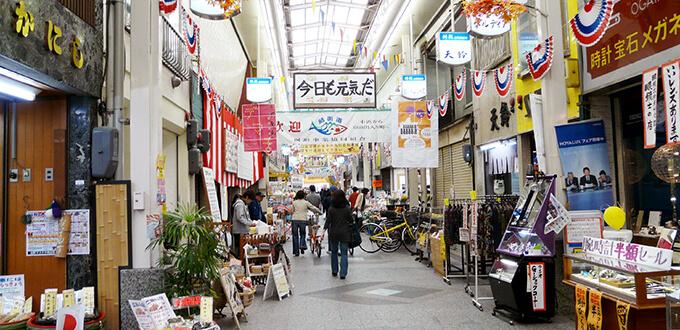
Walk through a local shopping arcade.
Look at the old signs.
Buy a snack.
Watch people go about their day.
That's the Japan that many travelers never see when they stick exclusively to the major tourist attractions.
📸 How to Capture the Showa Retro Japan Vibe
You don't need an expensive camera to make this trip visually interesting.
Look for details.
Photograph these:
📻 Old radios
📺 Vintage televisions
🚲 Bicycles outside shops
🏮 Traditional signs
🥤 Cream sodas
🍮 Japanese pudding
🎮 Retro arcade machines
🚉 Old railway stations
🚌 Vintage buses
🏪 Small neighborhood stores
☕ Kissaten interiors
🎞️ Film posters
📼 Cassette tapes
🏠 Older residential streets
The magic is often in the little things.
A rusty bicycle leaning against an old storefront can tell a more interesting story than a perfectly framed tourist landmark.
🍮 Foods to Try on Your Showa Retro Journey
One of the easiest ways to connect with a historical period is through food.
When exploring Japan's retro neighborhoods, keep an eye out for classic café and snack foods.
Try:
Cream Soda
A bright green or colorful soda topped with ice cream is practically a visual symbol of Japanese retro café culture.
Purine — Japanese Pudding
A simple custard dessert that frequently appears in traditional cafés.
Napolitan
Japanese-style ketchup spaghetti commonly associated with kissaten culture.
Parfait
Colorful fruit and cream desserts make fantastic travel photos.
Dagashi
Cheap Japanese candies and snacks historically associated with childhood pocket money.
Dango
Especially when visiting places such as Shibamata.
🗺️ A Sample 3-Day Showa Retro Japan Itinerary
Want to turn these locations into an actual trip?
Here's one possible route.
🇯🇵 Day 1 — Retro Tokyo
Morning: Shibamata Station
↓
Taishakuten-Sando
↓
Shibamata Taishakuten
↓
Tora-san Museum
↓
Yamamoto-tei
↓
Haikara Yokocho
Finish the day with a traditional kissaten.
🎡 Day 2 — 1960s Japan
Morning: Travel to Tokorozawa
↓
Seibuen Amusement Park
↓
Explore Yuhi-no-Oka Shopping Street
↓
Retro food and entertainment
↓
Evening return to Tokyo
🚂 Day 3 — Choose Your Retro Adventure
Depending on your itinerary, choose one:
Option A: Akihabara retro gaming and electronics
Option B: Retro railway experience
Option C: Osaka's Janjan Yokocho
Option D: A retro café and shopping-street exploration in Kyoto
If you have additional time, consider making Bungo Takada Showa no Machi a dedicated Kyushu trip rather than trying to squeeze it into a Tokyo itinerary.
💡 What Makes Showa Retro Japan So Fascinating?
The appeal isn't simply that everything looks old.
It's the feeling of everyday life.
Showa nostalgia brings together the Japan of neighborhood shopping streets, family restaurants, analog entertainment, local trains, handwritten signs, small businesses and simple leisure activities.
It also tells part of the story of Japan's rapid transformation after World War II.
In places such as Akihabara, you can see how the growth of consumer electronics helped shape Japanese urban culture. In Shibamata, film and neighborhood life became intertwined. In Bungo Takada, entire streets preserve memories of an earlier shopping culture. And in Seibuen, that atmosphere has been deliberately recreated for today's visitors. (Japan Travel)
That's what makes a Showa-themed trip different from simply visiting an old building.
You're exploring memories of how people lived, ate, shopped, traveled and entertained themselves.
❤️ Final Thoughts: Find the Japan Behind Modern Japan
Japan doesn't have to be all neon lights and futuristic technology.
Sometimes the most memorable experience can be a tiny shopping street, an old coffee shop, a bowl of noodles, a retro game machine or a train slowly passing through the countryside.
If you're fascinated by 1960s Japan, 1970s Japan, Japanese nostalgia or Showa-era culture, these destinations offer plenty of opportunities to experience another side of the country.
And that's the beauty of traveling.
You don't always have to travel farther.
Sometimes you simply have to look deeper.
More than a destination, it's the vibes. 🇯🇵
📌 Quick Showa Retro Japan Guide
| Destination | Location | Retro Experience |
|---|---|---|
| Shibamata | Tokyo | Retro streets, sweets, films & traditional neighborhood |
| Seibuen Amusement Park | Saitama | Recreated 1960s Tokyo |
| Bungo Takada Showa no Machi | Oita | 1950s–60s shopping streets & museums |
| Kissaten Cafés | Nationwide | Coffee, pudding, cream soda & retro interiors |
| Akihabara | Tokyo | Electronics & retro gaming history |
| Oigawa Railway | Shizuoka | Heritage railway experience |
| Sumaura Sanjo Yuen Park | Kobe | Retro rides, games & observation tower |
| Janjan Yokocho | Osaka | Retro eateries & entertainment |
| Retro Kyoto | Kyoto | Kissaten, shopping streets & nostalgic neighborhoods |
🔎 SEO Tags
Showa retro Japan, Japan travel, retro Japan, 1960s Japan, 1970s Japan, Showa era Japan, nostalgic Japan, old Japan, retro Tokyo, retro Osaka, retro Kyoto, Shibamata Tokyo, Seibuen Amusement Park, Bungo Takada Showa no Machi, Japanese culture, Japan hidden gems, vintage Japan, Japanese nostalgia, things to do in Japan
📣 Suggested Social Media Caption
Ever wondered what Japan felt like before smartphones, bullet-train selfies and neon-filled city centers? 🇯🇵
Take a trip through Showa Retro Japan and discover nostalgic streets, 1960s-inspired towns, retro cafés, classic trains, old-school entertainment and neighborhoods that still carry the atmosphere of another era.
From Shibamata in Tokyo to Bungo Takada in Oita, Japan's past is still waiting to be explored.
👉 Read the full VibesTraveling guide and discover the old-school side of Japan.
#VibesTraveling #JapanTravel #ShowaRetro #RetroJapan #Japan2026 #TokyoTravel #JapaneseCulture #TravelJapan #VisitJapan #JapanTourism
Advertisement