
 Tyventure
Train Like a Fighter: 10 Best Muay Thai Camps in Thailand for Travelers
Thailand is more than beaches, temples, night markets, and island hopping. For travelers interested in martial arts, fitness, and combat sports,
🥊 Train Like a Fighter in the Home of Muay Thai
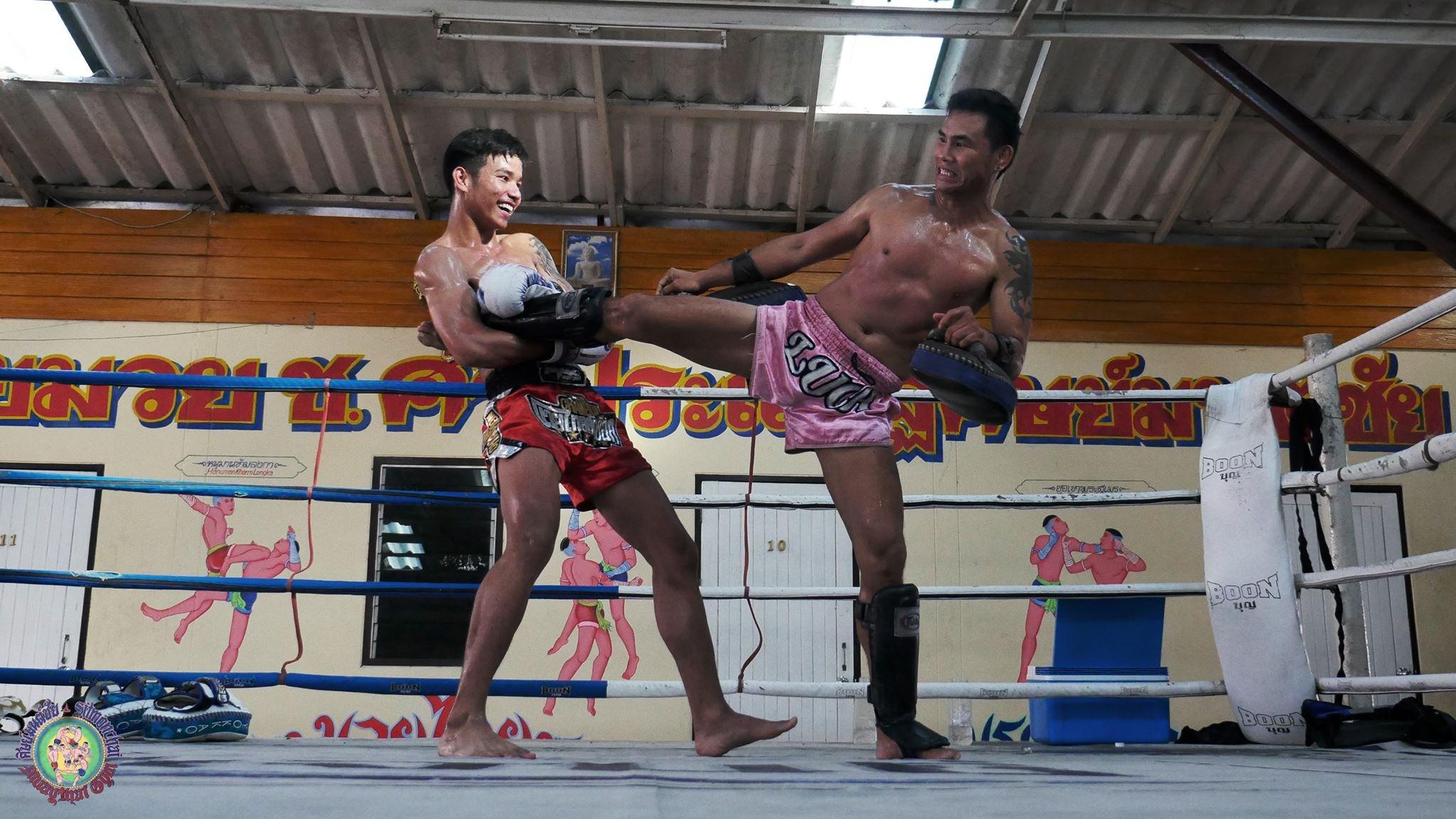
Thailand is more than beaches, temples, night markets, and island hopping. For travelers interested in martial arts, fitness, and combat sports, Thailand offers the chance to experience Muay Thai where the sport has deep cultural roots.
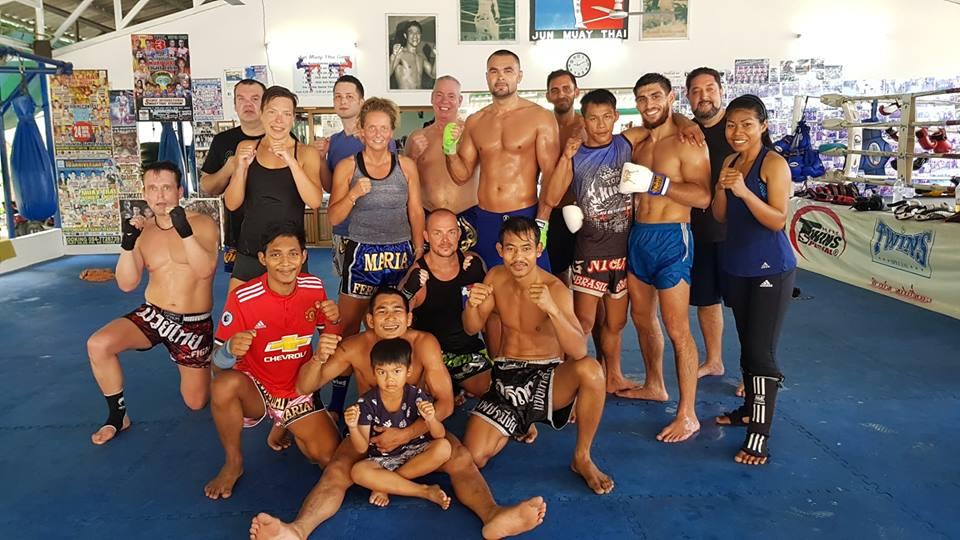
Whether you're a complete beginner who wants to learn the basics, an experienced martial artist looking for serious training, or simply a traveler searching for a different kind of adventure, spending a few days—or several weeks—at a Thai boxing camp can completely change the way you experience the country.
Muay Thai combines punches, kicks, knees, elbows, clinching, conditioning, and footwork. Training can be physically demanding, but camps across Thailand cater to very different types of travelers.
And here's the fun part: you don't have to be a fighter to train like one.


Why Train Muay Thai in Thailand?
Training in Thailand gives travelers an opportunity to combine sports tourism with cultural immersion.
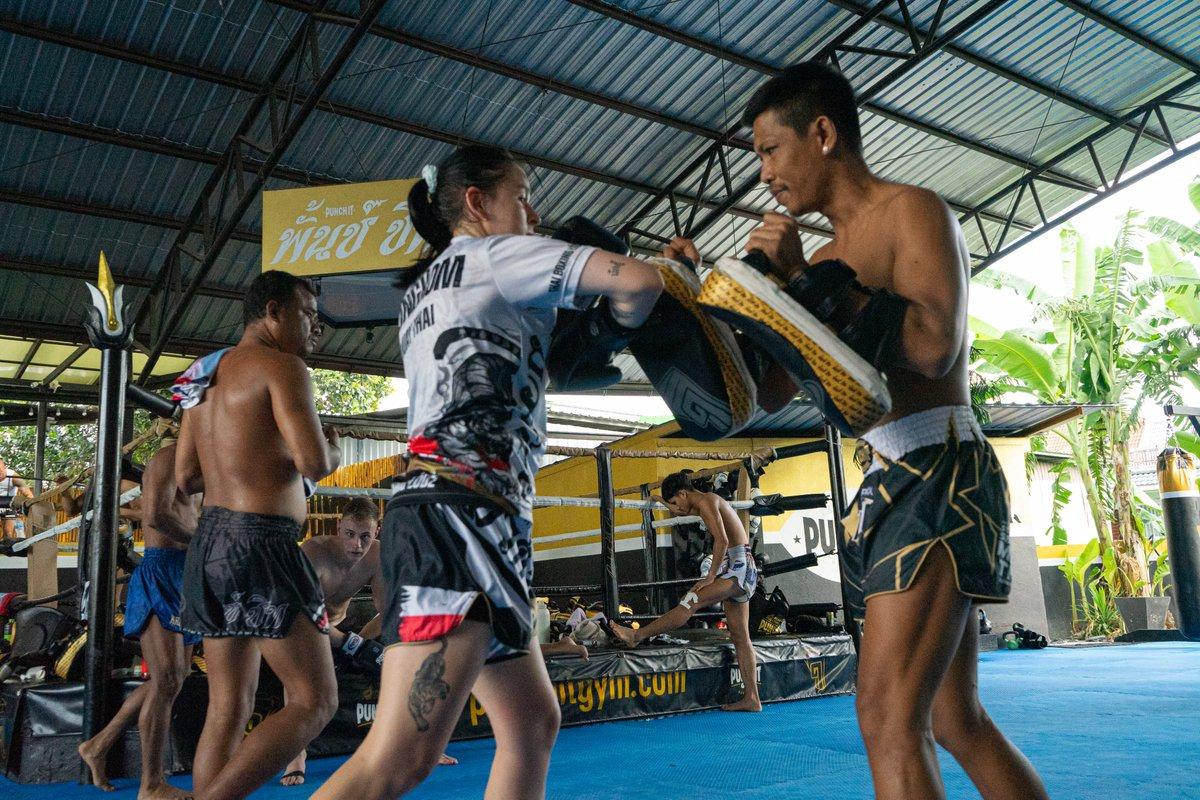
A typical training session can include:
-
🥊 Shadowboxing
-
🦵 Kick and knee drills
-
🥋 Pad work
-
💥 Heavy-bag training
-
🤼 Clinching
-
🏃 Running and conditioning
-
🧘 Stretching and recovery
-
🥊 Technical sparring at some camps
The intensity varies enormously. Some gyms are designed to accommodate tourists dropping in for a single class, while others operate more like traditional fighter camps.
For example, Tiger Muay Thai in Phuket currently offers beginner, intermediate, advanced and professional Muay Thai programs, with classes running twice daily. (Tiger Muay Thai)
So, before booking, think about what kind of trip you actually want.
🇹🇭 10 Muay Thai Camps to Consider for Your Thailand Trip
Rather than treating these as a universal ranking, think of them as 10 different training experiences spread across some of Thailand's major Muay Thai destinations.
1. 🐅 Tiger Muay Thai — Phuket


If you want a large international training environment, Tiger Muay Thai in Chalong, Phuket is one of the most recognizable names you'll encounter.
The camp describes itself as a destination for everyone from vacationers and fitness enthusiasts to professional fighters. Its current Muay Thai program is divided into beginner, intermediate and advanced/pro levels. (Tiger Muay Thai)
The facility is also much more than a boxing gym. Its current complex covers approximately 9,600 square meters and offers Muay Thai alongside MMA, BJJ, Western boxing, yoga, conditioning and other programs. (Tiger Muay Thai)
Why travelers may like it
-
Large international community
-
Multiple training levels
-
Extensive class schedule
-
Muay Thai plus other combat sports
-
Phuket beaches and attractions nearby
Current training price example
Tiger's published 2026 pricing lists 4,400 THB for one week of Muay Thai training and 13,500 THB for one month, with other packages available. Prices can change, so check directly before booking. (Tiger Muay Thai)
Location: Chalong, Phuket
2. 🌴 Sinbi Muay Thai — Phuket


Located in Rawai in southern Phuket, Sinbi Muay Thai is another camp worth investigating if you'd like traditional training combined with an island vacation.
Sinbi describes itself as a traditional Muay Thai gym that trains both Thai fighters and international students. Its facility includes three full-size rings, approximately 30 bags, a strength-training area and accommodation close to the gym. (Sinbi Muay Thai)
The gym is also close to Nai Harn Beach, giving travelers the opportunity to combine training with Phuket's coastal lifestyle.
Great for travelers who want:
-
Traditional Muay Thai
-
Beach access
-
On-site/nearby accommodation
-
A gym environment that welcomes international students
-
Longer training stays
Location: Rawai, Phuket
3. 🌿 AKA Thailand — Phuket


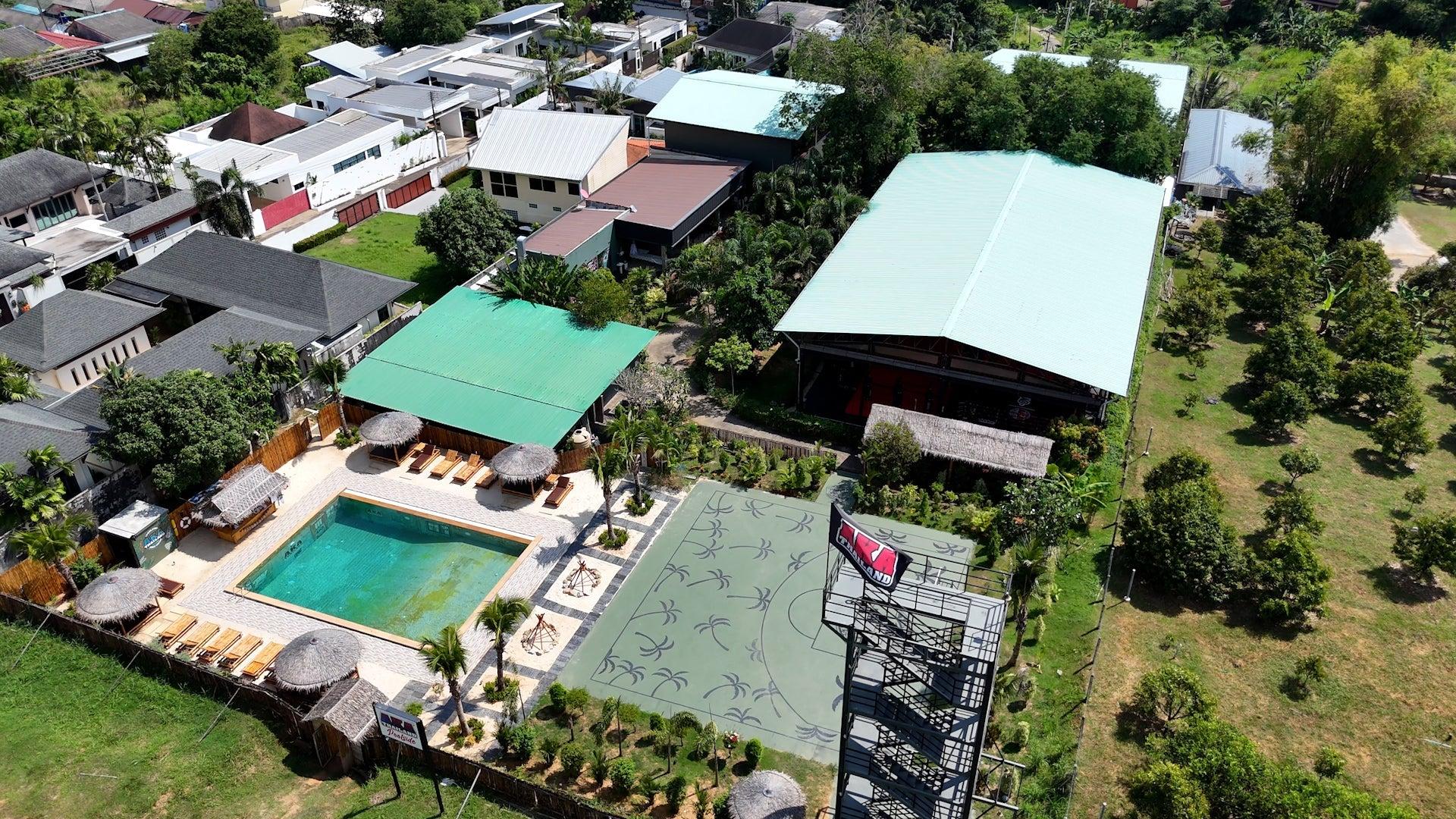
If you're looking for something that combines combat sports and resort-style facilities, AKA Thailand in Rawai offers a different experience.
The facility includes a large Muay Thai training area, MMA and grappling spaces, strength and conditioning facilities, recovery amenities, a café and accommodation-oriented training environment. (AKA Thailand)
AKA says its programs are designed for everyone from complete beginners to professional athletes.
Traveler appeal
This could be particularly interesting if you're traveling with someone who isn't a hardcore martial artist. There's a broader lifestyle and fitness component rather than simply spending all day inside a traditional fight gym.
Location: Rawai, Phuket
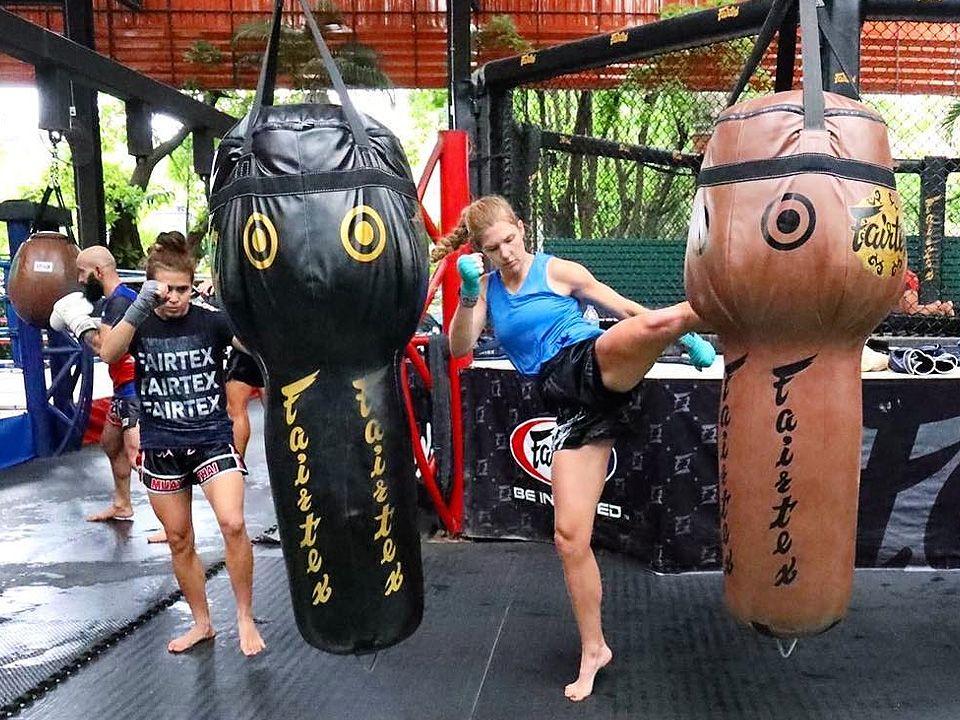
4. 🥊 Fairtex Training Center — Pattaya


The Fairtex name is deeply connected with Muay Thai equipment and professional combat sports, and the Fairtex Training Center in Pattaya welcomes everyone from beginners to advanced fighters. (Fairtex Training Center)
The training center offers Muay Thai, BJJ and private training, with the standard Muay Thai program involving direct work with trainers. (Fairtex Training Center)
The center is open six days a week, currently listed as 7:30 AM–8 PM. (Fairtex Training Center)
Why put Pattaya on your itinerary?
Pattaya gives travelers a different atmosphere from Phuket. You can combine Muay Thai training with beaches, restaurants, nightlife and easy access to Bangkok.
Location: North Pattaya, Chonburi
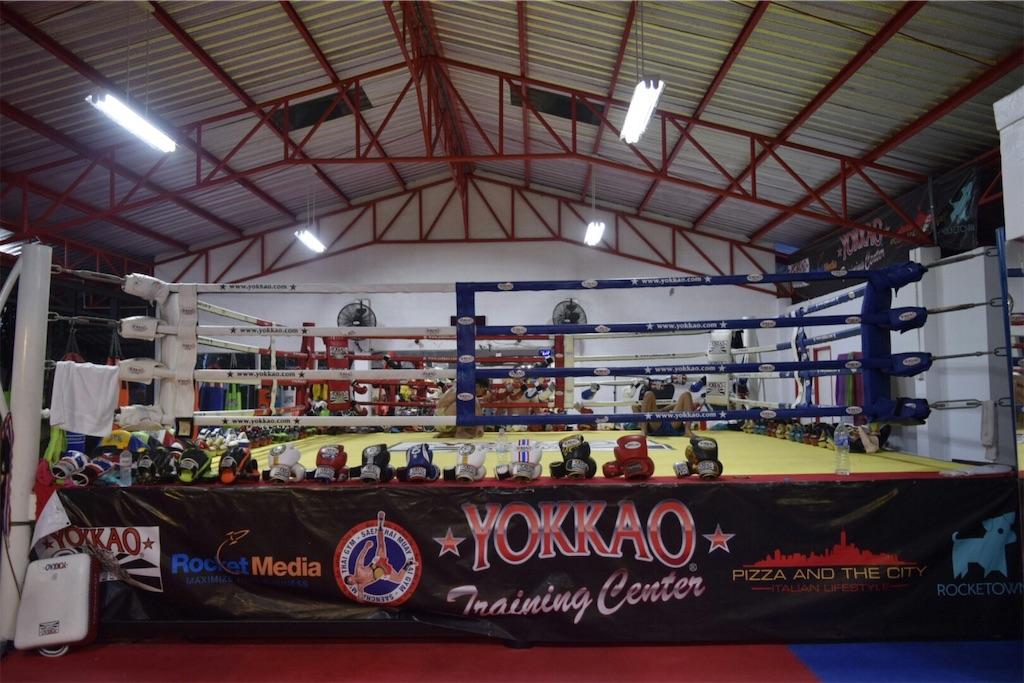
5. 🏙️ YOKKAO Training Center — Bangkok


Want to train while staying in the heart of Bangkok?
YOKKAO Training Center Bangkok is located on Sukhumvit Soi 16 in the Asoke area, close to Bangkok's BTS and MRT network. (Yokkao Thailand Store)
The gym says it welcomes both first-time students and experienced fighters and has hosted numerous internationally recognized fighters and combat athletes. (Yokkao Thailand Store)
Why travelers may appreciate it
You don't necessarily have to sacrifice your city vacation to train.
You can train in the morning, explore Bangkok during the day, visit temples and markets, and experience the city's food scene at night.
Location: Asoke/Sukhumvit, Bangkok
6. 🏆 Petchyindee Academy — Bangkok


For travelers interested in Bangkok's traditional Muay Thai ecosystem, Petchyindee Academy is another name to research.
The academy is located in Bangkok Noi and is associated with the Petchyindee Muay Thai promotion and training operation. Current listings place it at 36/36 Soi Charan Sanitwong 34. (TaMuay)
Time Out's 2026 Bangkok guide describes the gym as having produced fighters who have competed at the international level, including ONE Championship. (Time Out Worldwide)
Best suited to travelers interested in:
-
Bangkok's traditional Muay Thai scene
-
Technical training
-
Training around experienced Thai fighters
-
Combining gym time with stadium fight experiences
Location: Bangkok Noi, Bangkok
7. 🌄 Lanna Muay Thai — Chiang Mai


Chiang Mai offers a very different training environment from Phuket.
Lanna Muay Thai welcomes beginners and experienced fighters and emphasizes technical development, conditioning, pad work, clinching and sparring. Its current group schedule lists morning training from 8–10 AM and afternoon training from 4–6 PM. (Lanna Muay Thai)
The gym is located outside the busiest parts of Chiang Mai while remaining accessible to the city.
Why Chiang Mai can be interesting for Muay Thai travelers
You can spend your mornings training, explore northern Thai food and culture in the afternoon, and visit temples, markets and mountain attractions around Chiang Mai.
Location: Chiang Mai
8. 🌾 Santai Muay Thai — Chiang Mai


If you want to get away from the busiest tourist areas, Santai Muay Thai is located in the San Kamphaeng area outside Chiang Mai.
The camp offers training and accommodation packages, including different room options, and welcomes everyone from beginners to experienced fighters. (Muay Thai Santai)
That makes it particularly interesting for travelers who want their trip to feel more like an actual training camp experience rather than simply squeezing a boxing class into a sightseeing vacation.
Consider Santai if you want:
-
A quieter environment
-
Training and accommodation packages
-
A longer stay
-
Rural northern Thailand surroundings
-
A dedicated Muay Thai routine
Location: San Kamphaeng, Chiang Mai
9. 🌳 Sitmonchai Gym — Kanchanaburi


Want something different from Thailand's major tourist destinations?
Sitmonchai Gym is a traditional family-run Muay Thai camp in Kanchanaburi province, approximately 100 km from Bangkok. (Sitmonchai Gym)
The gym says its training is conducted one-on-one with Thai trainers and fighters, giving the experience a more traditional camp feel. (Sitmonchai Gym)
Getting there from Bangkok takes roughly 2–3 hours, depending on traffic and transportation. (Sitmonchai Gym)
Why it's interesting
Kanchanaburi gives you the opportunity to combine martial arts training with a quieter destination known for its natural scenery and historical attractions.
Location: Thamaka, Kanchanaburi
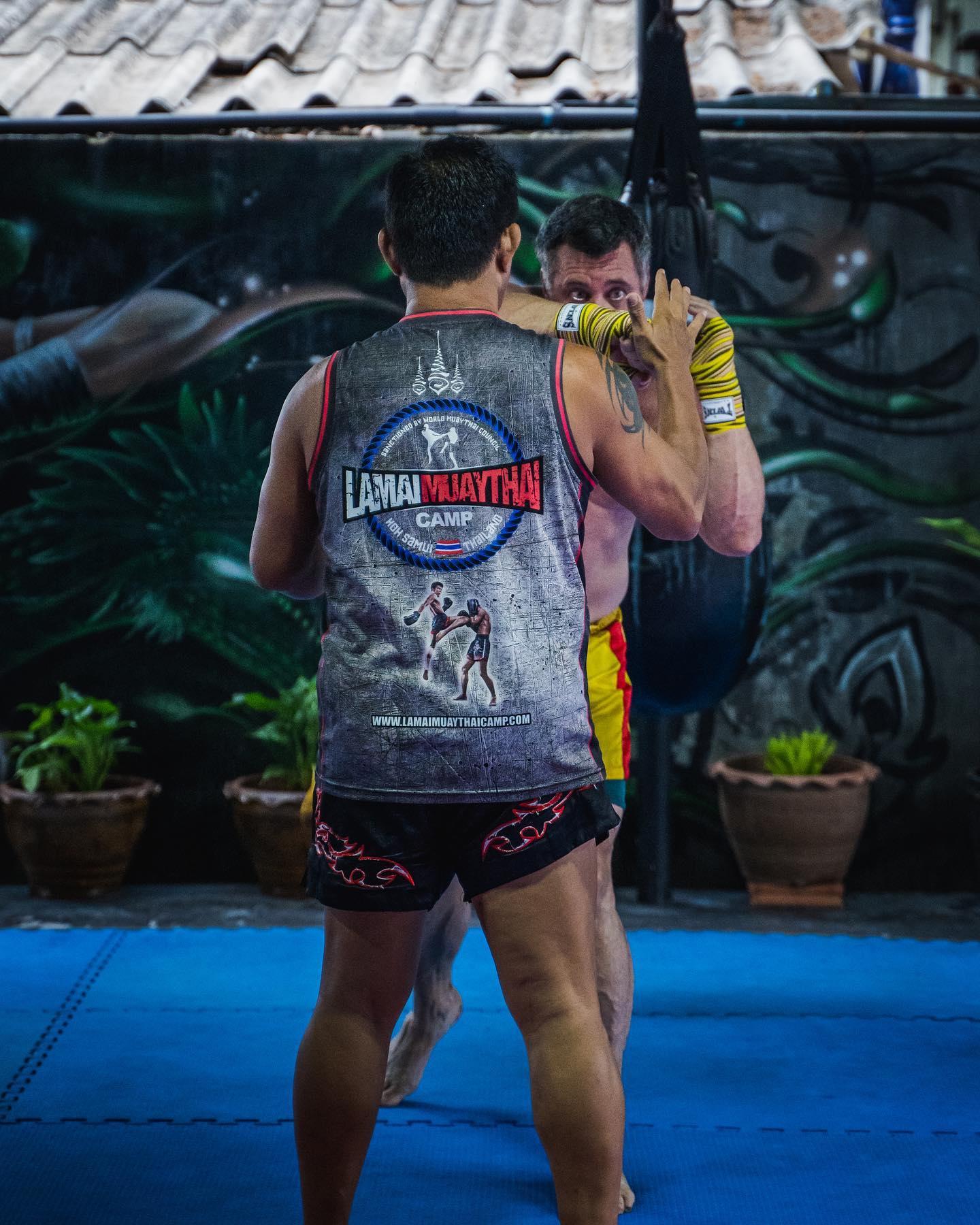
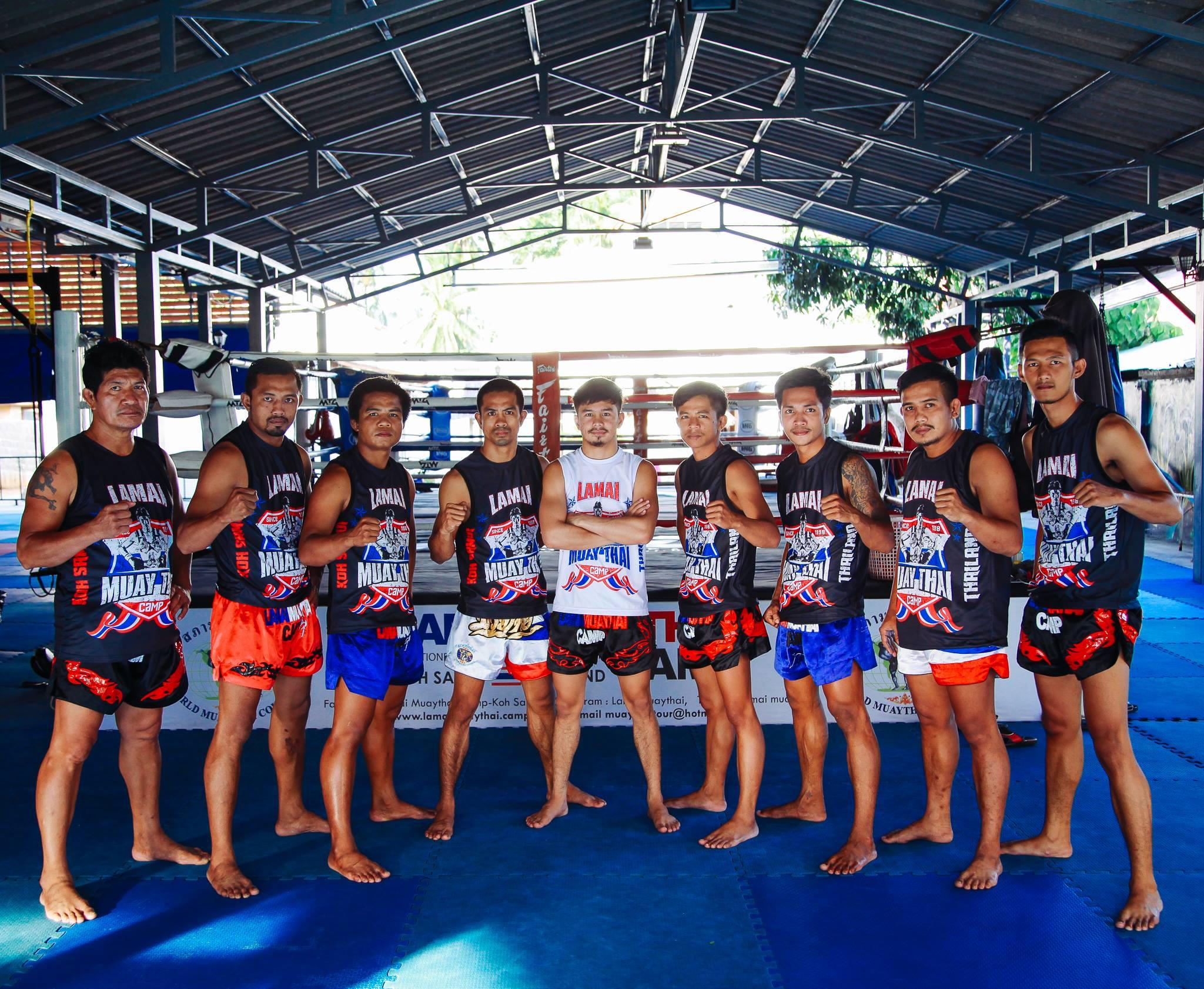
10. 🏝️ Lamai Muay Thai Camp — Koh Samui


For travelers who have always dreamed of combining Muay Thai and island life, Koh Samui is hard to ignore.
Lamai Muay Thai Camp is located around Lamai Beach, where travelers can combine training with the island's beaches, restaurants and other attractions. Current 2026 travel guides identify Lamai as one of the established Muay Thai training areas on Samui. (World Muaythai Magazine)
The island training lifestyle
Imagine:
Morning: Muay Thai
Afternoon: Beach
Evening: Thai food and sunset
Next morning: Do it all over again. 🥊🌴
That combination is a major part of the appeal of training camps in Thailand's island destinations.
Location: Lamai, Koh Samui
🥊 What Does a Typical Muay Thai Training Day Look Like?
Don't expect your first session to look exactly like a professional fighter's routine.
A typical training session may involve:
1. Warm-up
Running, skipping, mobility work and dynamic exercises.
2. Shadowboxing
You practice combinations and movement without a partner.
3. Pad work
Your trainer holds Thai pads while you work punches, kicks, knees and combinations.
4. Heavy bags
This is where you'll discover just how tiring throwing repeated kicks can be.
5. Clinching
You'll learn how to control an opponent at close range while working knees and positional technique.
6. Sparring
Some gyms offer technical sparring depending on your level and the trainer's judgment.
7. Conditioning
Expect plenty of exercises designed to develop endurance and fight-specific fitness.
8. Stretching and recovery
And then comes the moment when you realize that walking down the stairs is suddenly a combat sport of its own. 😂
🧳 What Should You Pack for a Muay Thai Camp?
You don't need to bring your entire gym with you.
Essential gear
-
🥊 Hand wraps
-
🥊 Boxing gloves
-
🦵 Shin guards
-
🩳 Muay Thai shorts
-
👕 Breathable training shirts
-
🧴 Reusable water bottle
-
🧼 Small towel
-
🩴 Flip-flops
-
🧴 Sunscreen
-
🧴 Electrolytes
-
🩹 Basic blister/first-aid supplies
Many camps sell or rent some equipment, but check before traveling rather than assuming everything will be available.
And if you're flying into Thailand with limited luggage, buying Muay Thai gear locally can actually become part of the travel experience.
💰 How Much Does Muay Thai Training in Thailand Cost?
Prices vary considerably depending on the gym, location, training frequency, accommodation and whether you're booking a complete camp package.
As a current reference point, Tiger Muay Thai's published prices list:
| Training option | 1 Week | 1 Month |
|---|---|---|
| Muay Thai Training | 4,400 THB | 13,500 THB |
| Muay Thai + MMA | 5,000 THB | 15,300 THB |
| All-Inclusive Training | 5,500 THB | 16,800 THB |
| Private Muay Thai | 800 THB/session | 7,500 THB/10 sessions |
These are training prices, not necessarily your complete travel budget, and camps can change their rates. (Tiger Muay Thai)
You'll also need to budget for:
-
Accommodation
-
Food
-
Flights
-
Airport transfers
-
Local transportation
-
Equipment
-
Travel insurance
-
Sightseeing
-
Laundry
-
Recovery treatments, if desired
🗺️ Bangkok vs Phuket vs Chiang Mai vs Koh Samui
The destination can be almost as important as the gym.
| Destination | Training atmosphere | Travel experience |
|---|---|---|
| Bangkok | Urban, traditional gyms, stadium culture | Big-city adventure |
| Phuket | Large international camp scene | Beaches + nightlife |
| Chiang Mai | Quieter, northern training environment | Mountains + culture |
| Koh Samui | Island-oriented training | Beaches + tropical lifestyle |
| Kanchanaburi | Traditional, quieter camp environment | Nature + history |
| Pattaya | Established combat-sports scene | Beach city + entertainment |
Current Muay Thai travel guides broadly describe Phuket as having a large concentration of camps, Bangkok as closely connected to stadium culture, and Chiang Mai as offering a quieter northern alternative. (CombatStay)
🧠 Beginner? Don't Be Intimidated
One of the biggest misconceptions about Muay Thai camps is that you need to arrive already fit.
You don't.
Many camps specifically accept beginners. Tiger Muay Thai, Fairtex, AKA Thailand and Lanna Muay Thai all state that they accommodate beginners alongside more experienced practitioners. (Tiger Muay Thai)
Your first day might be rough.
Your legs might hurt.
Your lungs might ask you several philosophical questions.
But that's part of the experience.
The goal shouldn't be to prove you're a fighter on day one. The goal is to learn.
🛡️ Important Safety Tips Before You Train
Muay Thai is a combat sport, so travelers should approach training responsibly.
Before your first session:
Tell your trainer your experience level.
Don't pretend you're more experienced than you are.
Stay hydrated.
Thailand's heat can make training significantly more demanding.
Take recovery seriously.
Sleep and nutrition are part of training.
Don't spar just because everyone else is sparring.
If you're a beginner, ask your trainer whether sparring is appropriate.
Listen to your body.
Normal training fatigue is different from an injury.
Use protective equipment when appropriate.
Don't combine hard training with excessive partying.
Your body will notice. Quickly.
And if you have a medical condition or existing injury, speak with an appropriate healthcare professional before starting an intense training program.
🏖️ Don't Forget You're Still on Vacation
This is where a Muay Thai trip gets really interesting.
You don't have to spend every waking moment inside the gym.
Build your trip around training and exploration.
Phuket
Train in the morning → beach → Thai food → sunset.
Bangkok
Train → temples → street food → shopping → Muay Thai stadium.
Chiang Mai
Train → café → temples → mountain excursion.
Koh Samui
Train → beach → snorkeling → sunset dinner.
Kanchanaburi
Train → waterfalls → historical attractions → relaxed evening.
The best part of a Muay Thai vacation can be discovering how the training becomes part of your travel story, rather than replacing the trip entirely.
🥊 How Long Should You Train?
1–3 Days
Perfect if you simply want to experience Muay Thai while traveling.
1 Week
Enough time to establish a routine and get a taste of camp life.
2–4 Weeks
A good window for travelers who want training to become a major part of their vacation.
1–3 Months
This starts to feel much more like a dedicated training camp experience.
Longer Stays
If you're planning an extended stay, investigate current immigration and visa requirements directly rather than assuming a gym's training package automatically provides immigration status.
🌏 Turn Your Thailand Trip Into a Fight Camp Adventure
Thailand gives travelers a rare opportunity to combine sport, culture, fitness and adventure in one trip.
You could spend your morning learning a traditional Muay Thai combination from a Thai trainer, eat pad kra pao for lunch, explore a temple in the afternoon, watch a fight in the evening and wake up ready to do it all again.
That's more than just a workout.
It's a different way to experience Thailand.
Whether you choose the huge training environment of Phuket, the urban fight culture of Bangkok, the quieter surroundings of Chiang Mai, the island lifestyle of Koh Samui, or a traditional camp outside the major tourist centers, Muay Thai can turn an ordinary Thailand vacation into an unforgettable travel experience.
So pack your gloves, wrap your hands, respect the culture—and get ready to hear:
“OK… one more round!” 🥊🇹🇭
📌 VibesTravelling Travel Tips
Before booking any Muay Thai camp, check:
-
Current training prices
-
Class schedules
-
Accommodation availability
-
Beginner requirements
-
Equipment rental/purchase options
-
Transportation
-
Cancellation policies
-
Current reviews
-
Whether private training is available
-
Whether the camp's intensity matches your experience
Prices, schedules and programs can change, so always confirm directly with the camp before making a booking.
Tags :
Muay Thai Thailand Travel Muay Thai Camps martial arts travel Combat Sports Phuket Travel Bangkok Travel Chiang Mai Travel Koh Samui Travel Martial Arts Thailand Thailand Fitness Adventure Travel Sports Tourism Muay Thai Training Travel Thailand VibesTravelling Fight Camp Thai Boxing Fitness Travel Thailand AdventureAdvertisement